What happened
RoboShare, a robot-sharing and rental platform backed by Faraday Future Intelligent Electric (FFAI), completed its first paid commercial order on August 15, 2026. The project will deploy six robots—one FF Master humanoid robot, four Aegis Pro quadruped robots, and one Navi quadruped robot—at an event in Malibu, California for DU$TY (Dusty the Rapper), a Los Angeles-based artist and content creator with more than 7.1 million verified Instagram followers.
Why it matters
RoboShare is attempting to transform robots from one-time hardware purchases into recurring-revenue assets by renting them out for events and operations—similar to ride-sharing or car-rental models. This first commercial deployment marks the platform's transition from development into actual revenue generation and validates the ability to coordinate multiple robot types for a single project. For FFAI, the rental model may drive robot sales, provide data to improve its AI systems, and strengthen the company's robotics commercialization story.
What to watch
RoboShare plans to use Los Angeles as the starting point for its Ten-City Strategy expansion, focusing on validating recurring customer demand, robot utilization rates, and its operating model. The parties may also explore additional cooperation across music, comedy, content production, and live events, potentially creating repeat business. FFAI intends to support the effort through its robot portfolio, AI technology platform, and operating solutions.
Summaries like this, in your inbox every morning.
RoboShare's first paid order represents a critical inflection point for Faraday Future's robotics commercialization strategy. Rather than selling robots as discrete products, the platform reimagines them as productive assets that generate ongoing revenue through rental and service operations—a model explicitly compared to Uber and Turo. By taking on DU$TY as its first customer, RoboShare gains not only a proof of concept but also potential recurring demand; the parties are exploring additional collaboration across music, comedy, content production, and live events, turning entertainment into a beachhead market for robot deployment.
For FFAI, the rental model creates a virtuous cycle. Each deployed robot generates customer data that can feed back into AI training and product improvement, while the utilization rates and service revenue validate the company's robotics commercialization capabilities. The first order's use of three distinct robot form factors—humanoid, quadruped, and compact quadruped—also demonstrates that RoboShare can coordinate diverse hardware for a single project, reducing customer friction and increasing the addressable market. Founder YT Jia framed this as a "dual flywheel" in which products and technology empower operations, while operations feed back into sales and product evolution.
Pick your industry and the AI tools you use, and get news related to your work every day.
Free · 30 seconds with Google · unsubscribe anytimeWhat is AIToday? →
Ask AI anything about this article. The AI reads this article, earlier AIToday articles, and Wikipedia, and cites its sources. Q&As are published on this page for other readers too.
Skild AI used Nvidia Isaac Sim to give its S1 model one objective — score a goal — and let it compete against…
Yamazaki Mazak and ABEJA said on the 16th they will start joint development of physical AI, using ABEJA's ABEJ…
Toyota Motor's Japan Mobility Show Bizweek 2026 booth centers on its AI basketball robot CUE7, has no other ex…
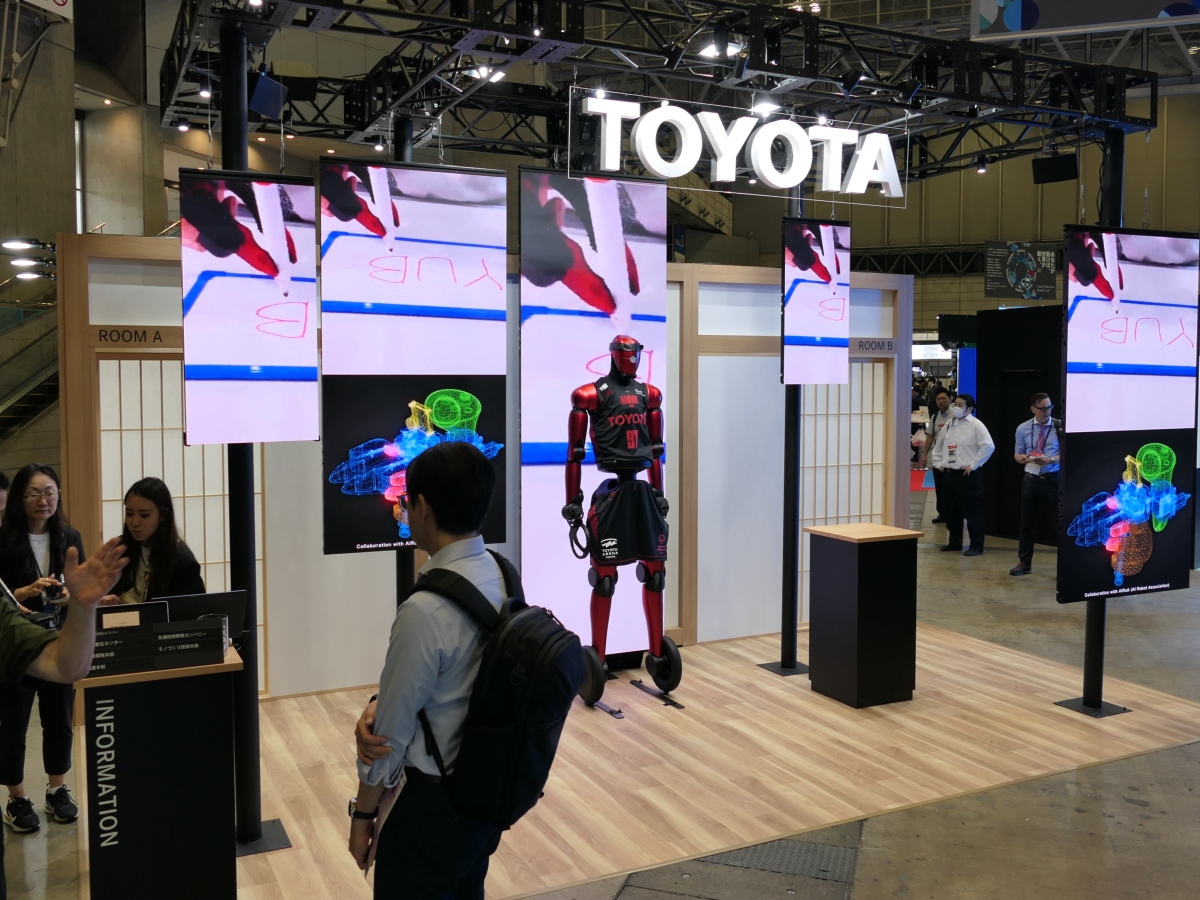
Japan Mobility Show Bizweek 2026 showcased Physical AI applications, including Toyota's basketball-playing rob…
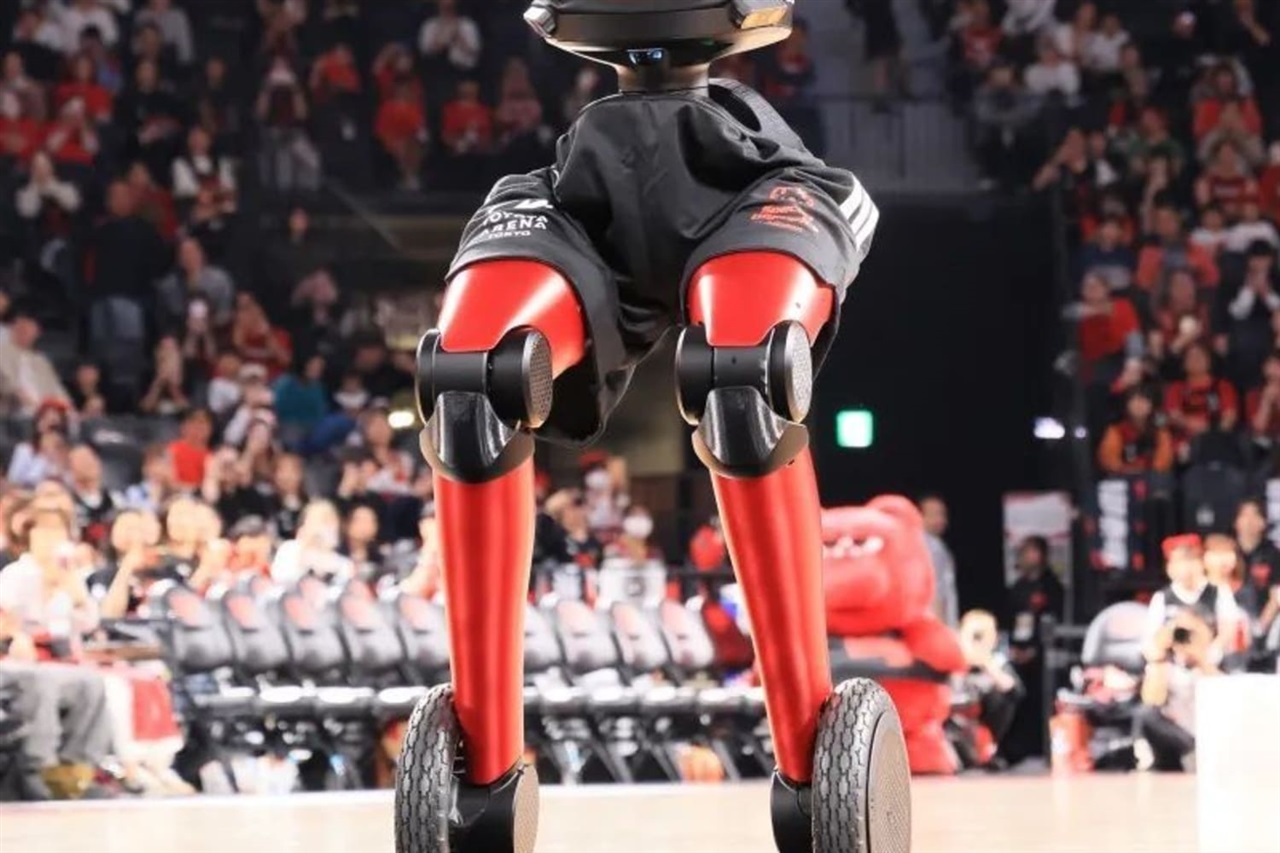
Google pitched Gemini 4 Argon as one model for robot control, simulation and training-data review, saying it s…
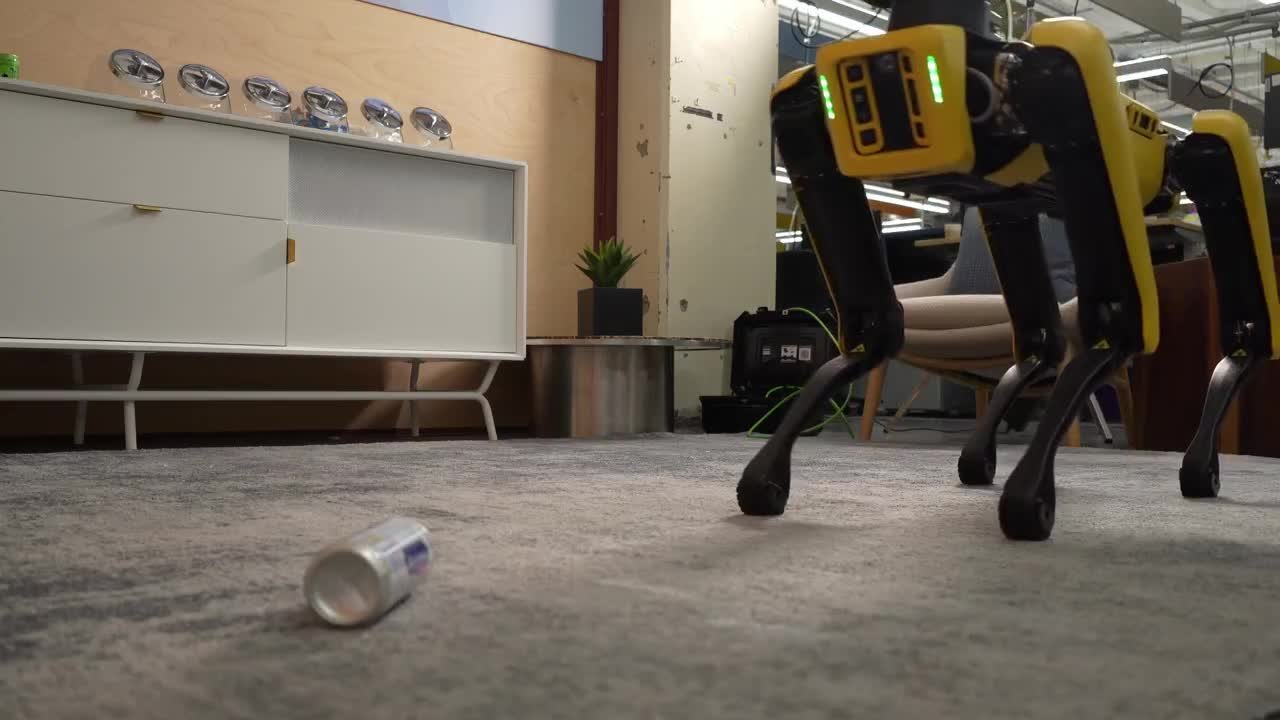
Researcher Sammy Azdoufal discovered Energize Lab's Eiliko robot stores 13 million conversations from 68,000 t…