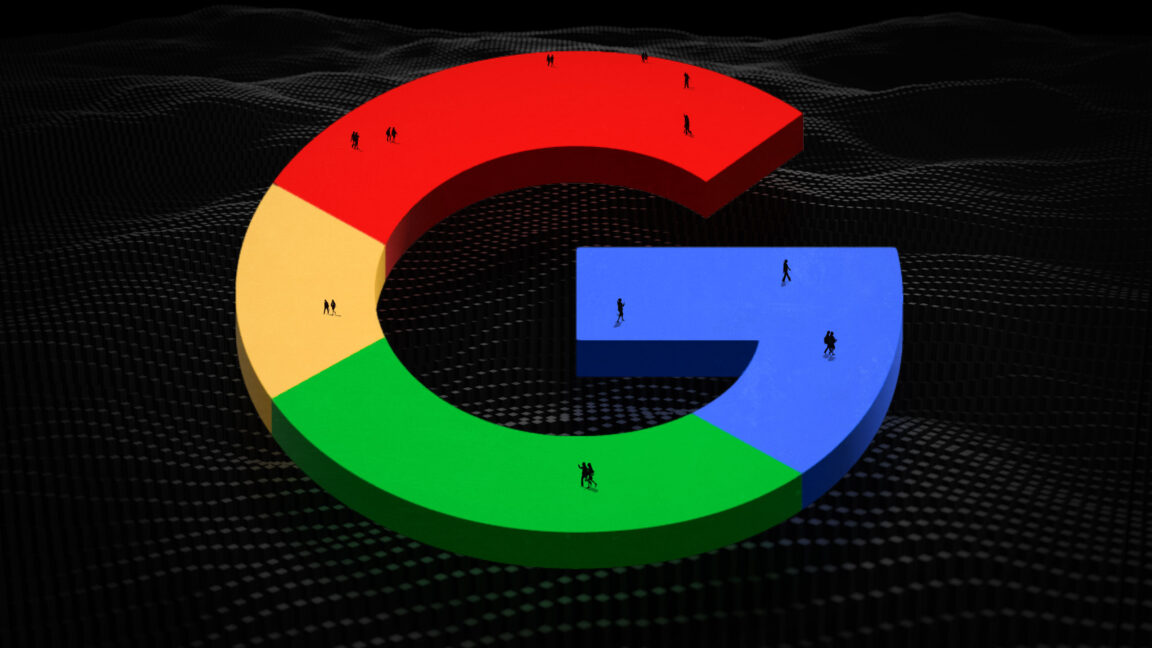
What happened
Google reported $119.8 billion(約19兆円) in Q2 2026 revenue, but spent $44.9 billion(約7.2兆円) on AI infrastructure in the quarter alone—exceeding its $39.1 billion(約6.3兆円) operating cash flow and producing -$5.8 billion(約9300億円) in free cash flow for the first time.
Why it matters
The company has raised its full-year 2026 capital expenditure forecast to as much as $205 billion(約33兆円), more than double the $91 billion(約15兆円) it spent in 2025. This AI spending is now outpacing even Google's massive revenue growth, signaling that the economics of AI infrastructure buildout are straining even the largest tech firms.
What to watch
Google Cloud revenue jumped 23.8 percent quarter-over-quarter to $24.8 billion(約4兆円), reflecting strong demand for AI services. The company's ability to monetize this infrastructure spending—and return to positive free cash flow—will determine whether the investment payoff materializes.
Summaries like this, in your inbox every morning.
Google's Q2 2026 results reveal a fundamental tension in the AI economy: even companies with $119.8 billion(約19兆円) in quarterly revenue cannot keep pace with their own infrastructure ambitions. The company's capital expenditure forecast—now as high as $205 billion(約33兆円) for 2026—has jumped dramatically from the $91 billion(約15兆円) spent in 2025, reflecting the immense cost of building and running the data centers required to power modern AI models. This acceleration outpaces Google's operating cash generation of $39.1 billion(約6.3兆円) in the quarter, producing the company's first negative free cash flow.
The silver lining for Google is visible in Google Cloud's performance: a 23.8 percent quarterly increase to $24.8 billion(約4兆円) signals strong demand for its AI services. This revenue growth demonstrates that enterprises are willing to pay for access to Google's AI infrastructure, suggesting the massive capex spending may eventually yield returns. However, the company's current burn rate—$44.9 billion(約7.2兆円) spent on AI infrastructure in Q2 alone—shows that monetization has not yet caught up with investment velocity. The question now is whether Google's AI service revenue can grow fast enough to justify infrastructure spending that is reshaping the company's financial profile.
For example, today's edition would include:
AI-summarized, only the topics you pick — one digest a day via Email, Slack, or Discord.
Free · 30 seconds with Google · unsubscribe anytimeWhat is AIToday? →
Ask AI anything about this article. Q&As are published on this page for other readers too.
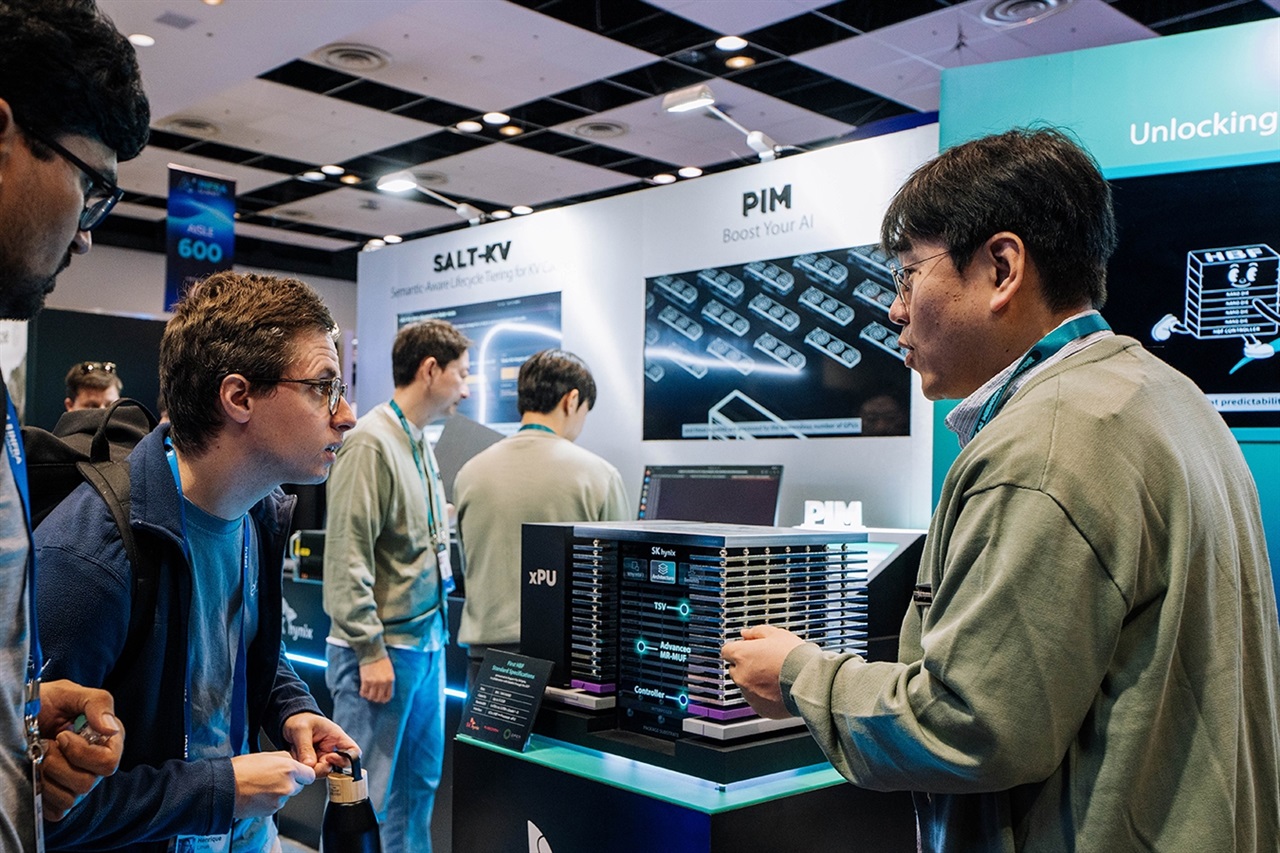
SK Hynix showcased PIM, HBF and SALT-KV technologies at AI Infra Summit 2026 in Santa Clara, moving beyond the…
Musk, Zuckerberg and Nvidia's Jensen Huang privately pushed back in Oval Office meetings against a Google Deep…
Camtek, which holds about 60% market share in advanced packaging inspection and metrology, said CEO Rafi Amit…

OpenAI launched a misalignment reporting framework with six reports; one describes an unreleased Astra model i…

According to operator Clad3815, GPT-6 Astra earned the champion title in Pokemon FireRed in 18 hours and 12 mi…

Anthropic is merging Claude Cowork with Claude Chat, so connected apps, skills and context are available in a…