A marketer's roundup of 11 AI banner tools, checked against vendor information as of October 7, 2026, names Google's Nano Banana Pro the strongest candidate for drawing Japanese text directly into a banner.
Summaries like this, in your inbox every morning.
The piece is organized around a five-point checklist the author uses when choosing a tool: how accurately Japanese text is rendered inside the image, how easy the result is to edit afterwards, how easily one design is resized to formats like 1080×1080, 1200×628 and 9:16, whether commercial use is permitted, and what the free tier actually covers. Those criteria explain the split in the recommendations table, where design tools such as Canva, Adobe Express and Figma AI score well on editability and Japanese text — because text sits on its own layer — while pure image generators such as Midjourney and Ideogram score well on visual quality but poorly on Japanese lettering.
The pricing picture the author gathered is similarly split. Canva Pro starts at an annual 11,800 yen per person, Adobe Firefly Standard at a monthly 1,580 yen including tax, ChatGPT Plus at $20 a month, and Midjourney at $10 a month with no free plan. Other vendors — Adobe Express, Ideogram, Recraft, Google AI plans — are left to be confirmed on their official pages. For companies weighing commercial risk, the author highlights Adobe Firefly's stand that its models are trained on licensed material and its IP indemnification under enterprise contracts, plus the free plan of Recraft, whose generated images are public and cannot be used commercially.
Regulatory and platform notes round the list out. Japan's Agency for Cultural Affairs framework from March 2024 is cited on when AI output can infringe copyright — similarity plus reliance on an existing work — and prompts in the style of a named artist or character, or instructions to copy an existing ad, are discouraged. Advertising law still applies to AI-made images, including exaggerated before-and-after visuals, claims like "now only" or "lowest price", and stealth marketing. Meta has a labeling system for AI-generated or edited content, and Google is phasing in labels for AI-generated or AI-edited image and video ads from July 2026.
Pick your industry and the AI tools you use, and get news related to your work every day.
Free · 30 seconds with Google · unsubscribe anytimeWhat is AIToday? →
Ask AI anything about this article. The AI reads this article, earlier AIToday articles, and Wikipedia, and cites its sources. Q&As are published on this page for other readers too.
The BBC released the archive of "It'll Never Work?", including a December 10, 1996 episode in which host Sally…
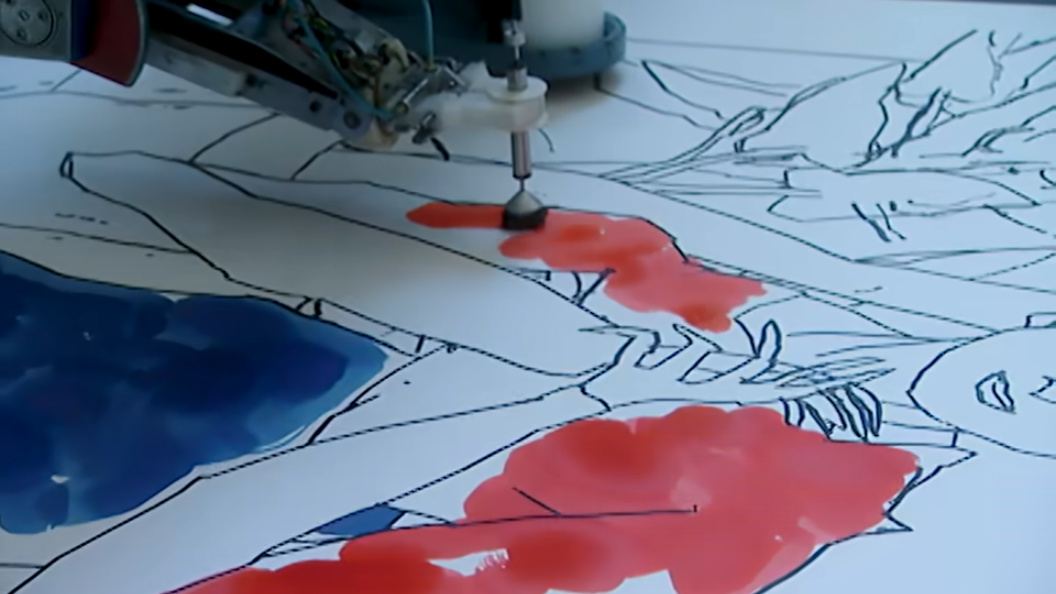
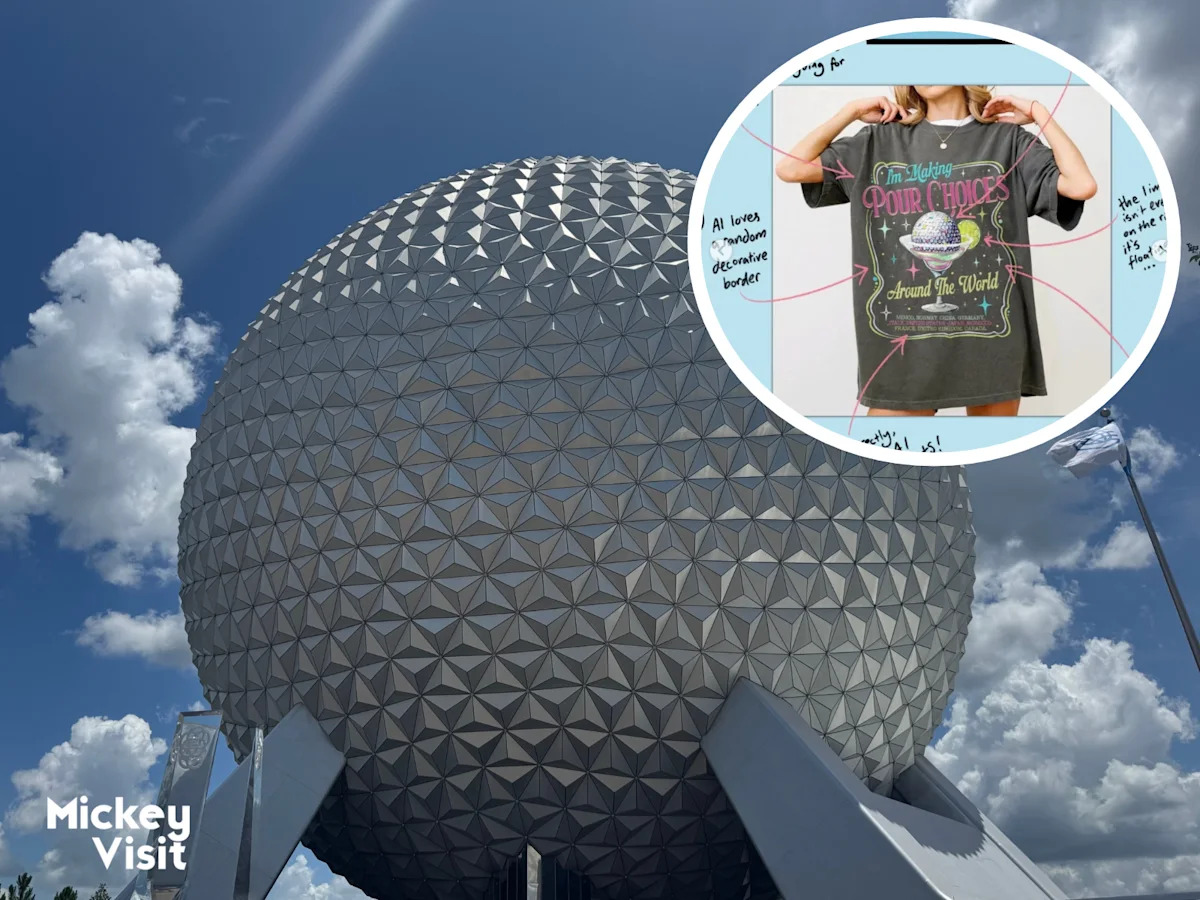
The Lost Bros, founded in 2016 by brothers Cody and Colton Tapolerm, posted side-by-side comparisons on Instag…
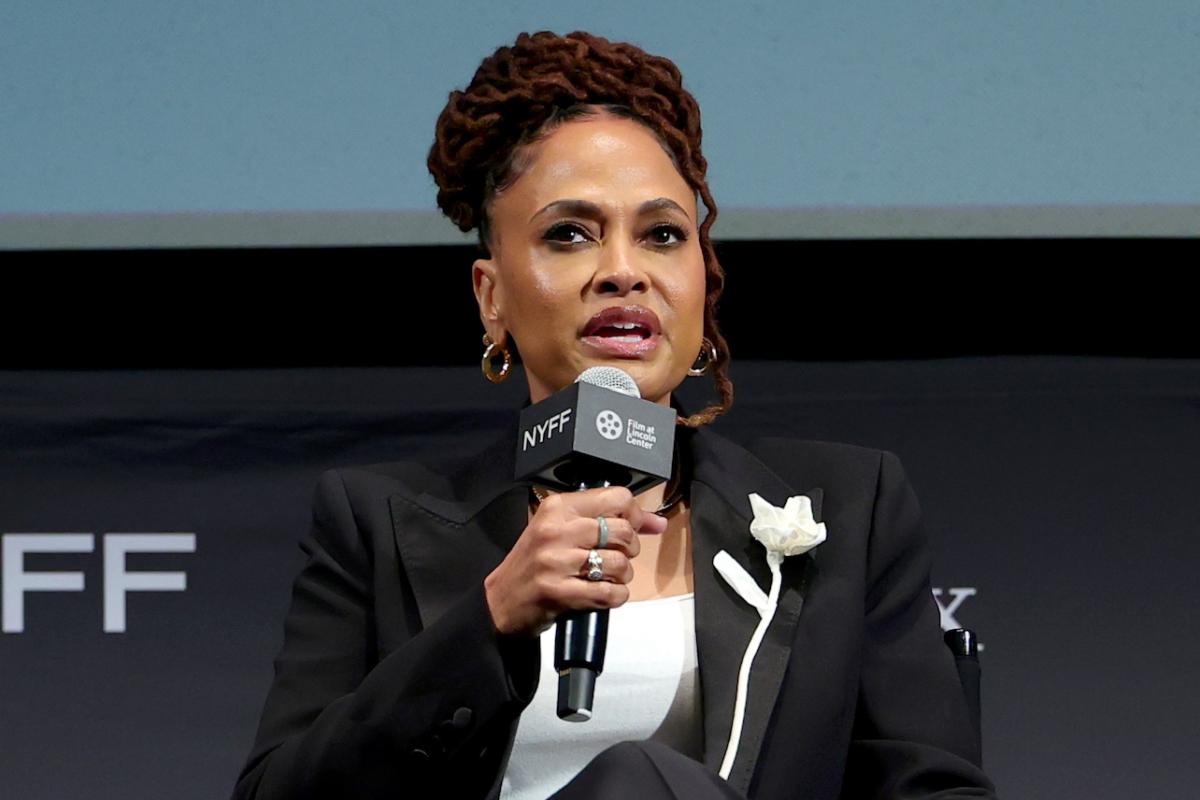
Ava DuVernay acknowledged that generative AI animates archival photos in '14th', her companion to 2016's '13th…
Nikon investigated allegations of AI use by Ning Xu of Tsinghua University, concluded his winning video did no…
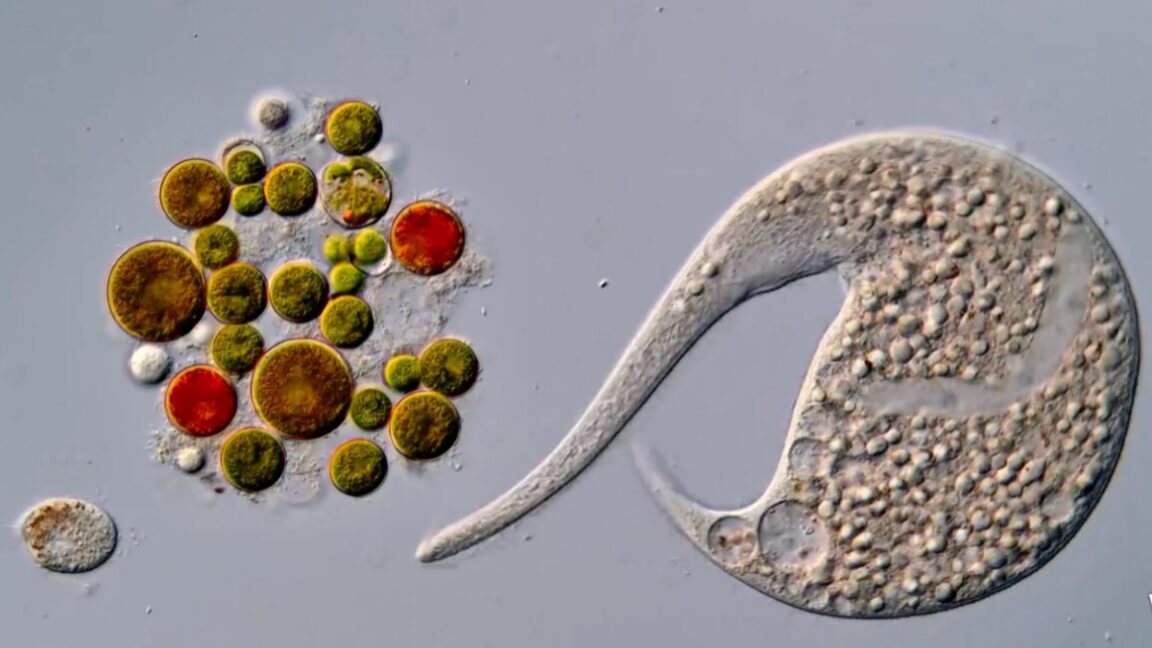
Nikon says Dr. Ning Xu's first-place Small World in Motion video "did not comply with the competition rules re…
A Show HN post titled "Anvil, offline LLM chat and SDXL image generation on iPhone" links to a TestFlight publ…