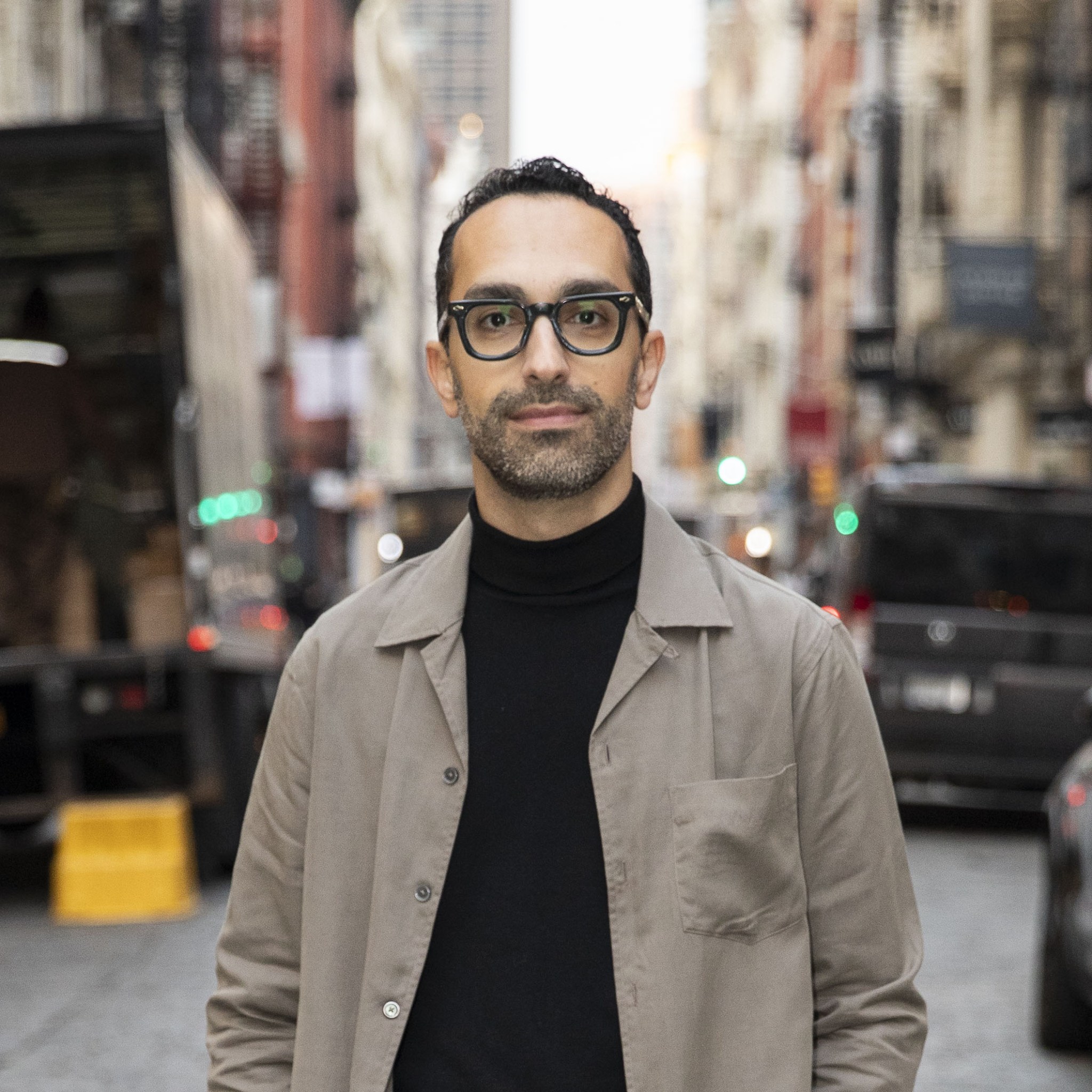
In a Fortune commentary piece, Serve Robotics chief Ali Kashani told his college-age daughters not to let hype or fear decide their response to AI. He noted the company operates more than 2,000 robots across 20 cities.
Summaries like this, in your inbox every morning.
The piece is framed as a personal letter to two daughters, one just starting college and one entering her third year, at a moment when commencement speakers who mention AI are being booed. Kashani acknowledges an obvious stake: his company makes autonomous robots, one of the most visible applications of recent AI advances, so he says he sees the tradeoffs at street level — including robots that encounter situations they cannot handle or literally run into glass walls.
His historical case rests on farming. Two hundred years ago most Americans were subsistence farmers, and agriculture now employs about 2% of them. During that transition, hunger declined, food prices fell, life expectancy rose, and new industries absorbed displaced farm workers. He notes professional and managerial jobs grew from about 2 million people, 5% of workers, a century ago to almost 60 million, 35% of the workforce, today.
His current-day evidence is his own company. Serve Robotics operates more than 2,000 robots across 20 cities, and he says the human workforce grows with the fleet, because robots need humans — the jobs created offering better pay and safer conditions than the gig work they displace. He also cites 50 million people worldwide earning money as social media influencers, 6.5 million of them making $100,000 a year or more, as work his grandparents could not have imagined. The advice he lands on is for young readers to educate themselves on AI, question it, and learn to use it, since the future will be built by those who choose to participate.
Pick your industry and the AI tools you use, and get news related to your work every day.
Free · 30 seconds with Google · unsubscribe anytimeWhat is AIToday? →
Ask AI anything about this article. The AI reads this article, earlier AIToday articles, and Wikipedia, and cites its sources. Q&As are published on this page for other readers too.
Bank of America projected the data center CPU market will grow from around $61.4 billion this year to $210.6 b…

Standard Bots, an AI-native industrial robot maker, raised $200 million at a $1 billion valuation in a series…
OpenAI released more than 700 manuscripts on October 6, 2026, claiming solutions to hundreds of open math prob…

Yole Group analyst Nur Hilwani said Malaysia is moving from traditional semiconductor back-end manufacturing t…
AWS CEO Matt Garman said on a16z's podcast with Raghu Raghuram that AI spending bubble concerns are overstated…
Vannor launched its agentic marketing model, in which autonomous AI agents research, create, review, publish a…