What happened
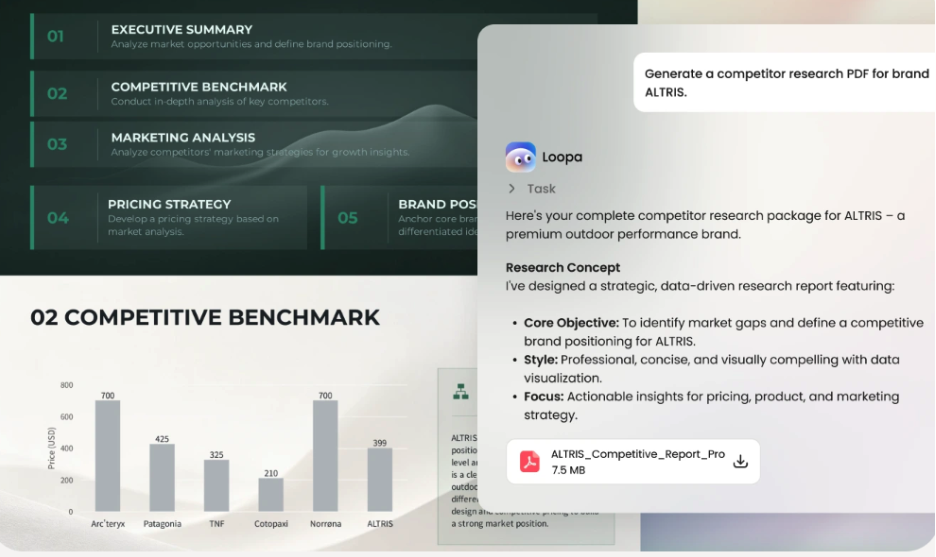
Businesses are now using AI agents and automated branding platforms—like Loopa AI—to handle repetitive creative tasks such as logo generation, color and typography choices, web page design, and promotional content creation, replacing manual workflows that once required designer and developer collaboration.
Why it matters
By automating these design and asset-management tasks, companies can launch campaigns and brand updates far more quickly while maintaining visual and messaging consistency across websites, social media, and advertisements. Teams freed from repetitive work can focus on strategy and creative decision-making instead of production.
What to watch
The article identifies key capabilities now being automated: competitor analysis to inform brand strategy, multi-platform brand consistency management, interactive web page generation based on brand identity, and bulk promotional content production across channels.
Summaries like this, in your inbox every morning.
Automation has historically served manufacturing and back-office functions, but the article argues that the same efficiency drive is now reshaping how brands manage their visual and creative identity. The shift is driven by a practical business need: maintaining a cohesive brand experience across multiple digital touchpoints—websites, social media, advertisements—at speed, especially as competition intensifies in digital markets. Platforms like Loopa AI exemplify this trend by automating the glue between initial brand concept and final digital asset.
The article frames this as a structural change in how creative teams operate. Rather than replacing creative professionals, the automation targets the repetitive execution tasks—generating color palettes, laying out web pages, producing multiple versions of promotional materials—that consume significant time and resources. By handling those layers, AI agents allow designers and marketers to shift upstream, toward strategy, market analysis, and creative decision-making. This mirrors how earlier automation waves freed factory workers from rote assembly, though the article does not make a direct claim about employment impact. The consistency benefit is concrete: automated systems enforce brand guidelines across channels in a way manual production struggles to do at scale.
Pick your industry and the AI tools you use, and get news related to your work every day.
Free · 30 seconds with Google · unsubscribe anytimeWhat is AIToday? →
Ask AI anything about this article. The AI reads this article, earlier AIToday articles, and Wikipedia, and cites its sources. Q&As are published on this page for other readers too.
Tesla revealed its next-generation Roadster at SpaceX's McGregor, Texas test site on October 15, presented as…

Cisco Systems heads a sample of three AI networking and server hardware stocks, with its Computer Networks seg…

Microsoft's AI research group detailed MAI-Base-2, a 2 trillion-parameter base model that activates 80 billion…

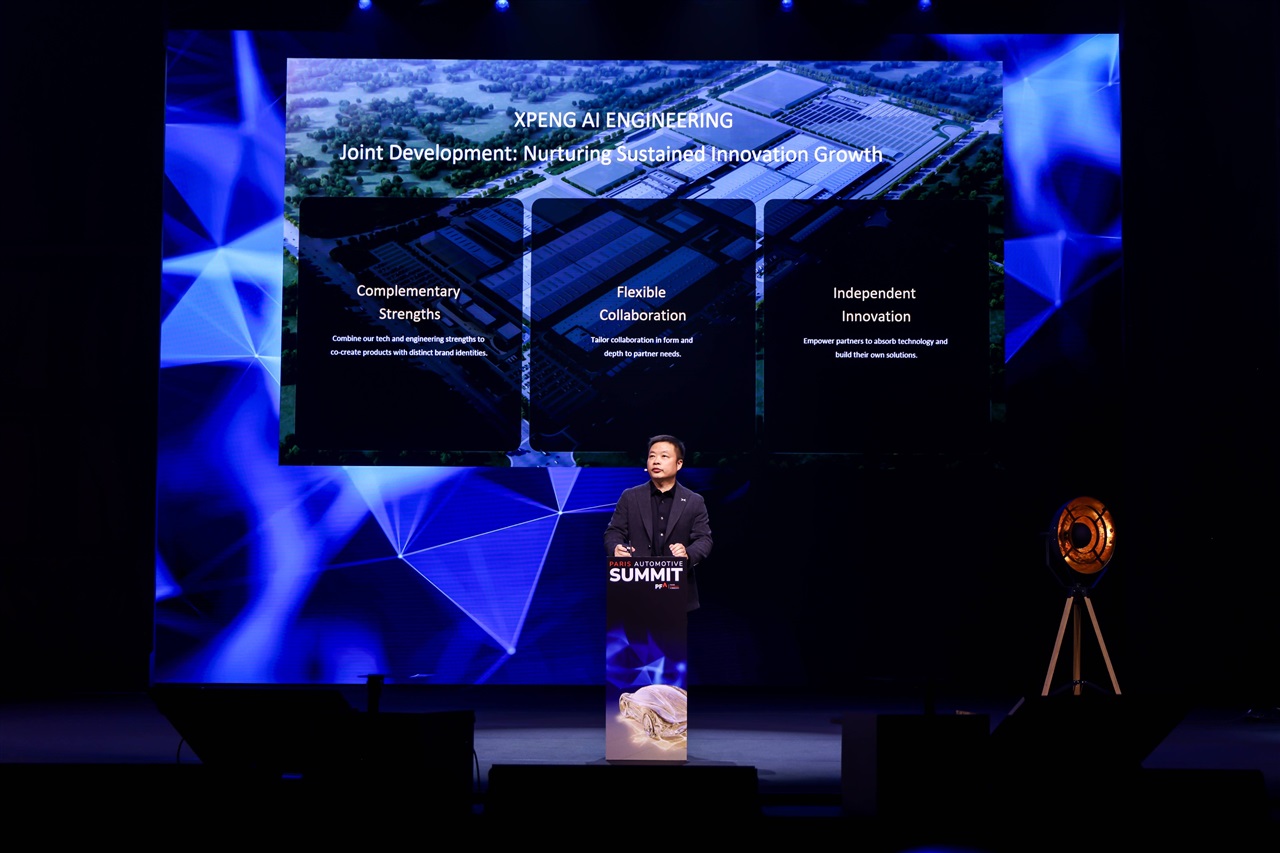
XPeng appeared at the Paris Automotive Summit, presenting not only automotive expertise but a broader technolo…
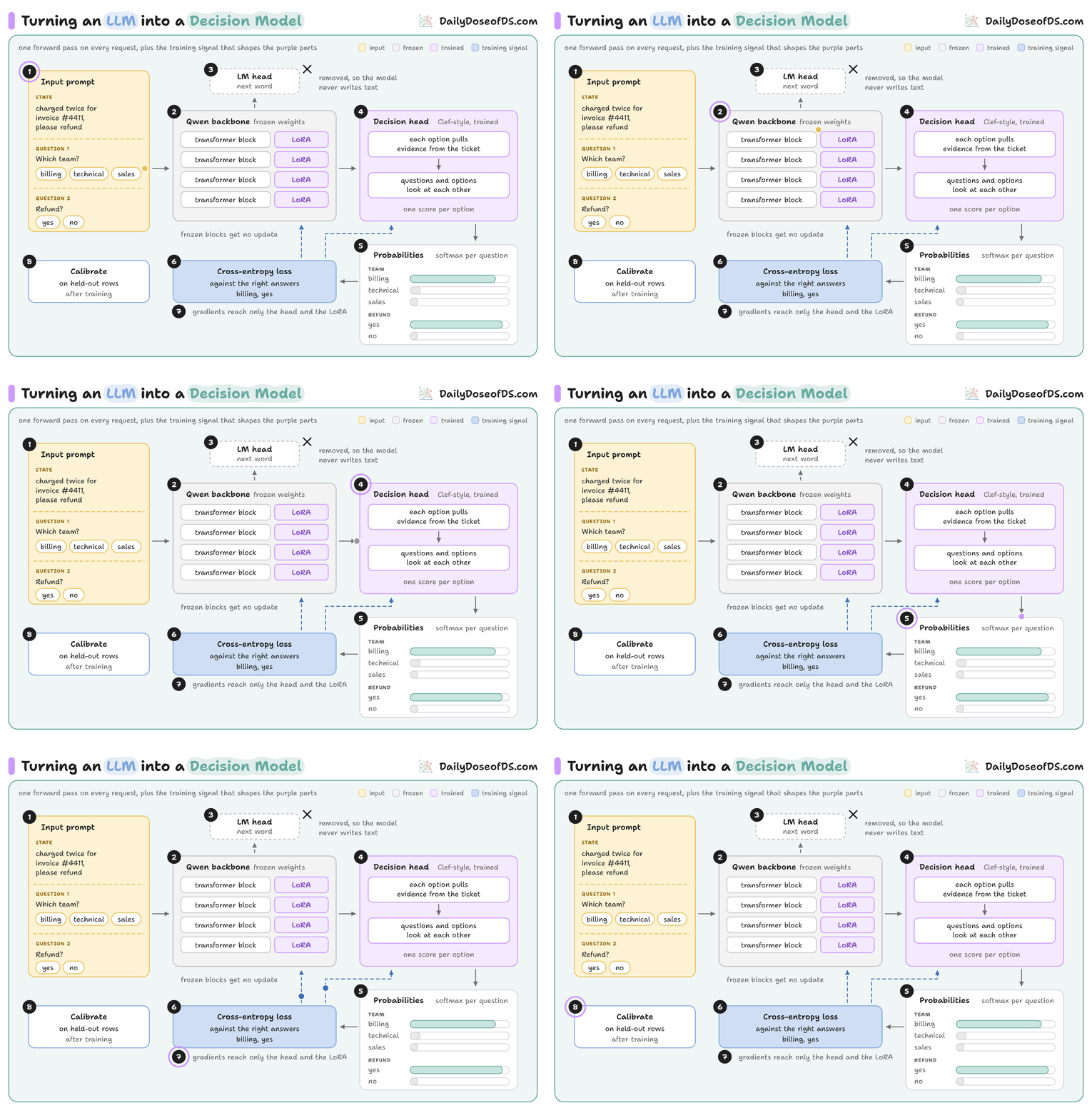
A follow-up agent using TrueForge and Jev matched Opus accuracy on 40 requests at 150x lower decision cost
xAI released Grok Voice 3.0 on the 14th and opened it through the Grok Voice API at $0.08 per minute ($4.80 pe…