What happened
GitHub's Senior Solutions Engineer detailed an evidence-first method for modernization, applied to PiggyMetrics, BrowserQuest, DOOM, and the ADempiere ERP suite, and encoded it in the public doc-and-modernize Copilot agent skill.
Why it matters
The approach lets engineering teams pick the least disruptive fix per component—keep, upgrade, swap, wrap, or rewrite—using recorded proof levels, potentially avoiding expensive rewrites of legacy systems that still work.
Summaries like this, every morning.
The method starts from a practical problem: labels like "legacy monolith" or "Java microservices" rarely tell you what runs in production, what the tests do, or which external contracts other systems depend on. So the first step is an evidence inventory—manifests, verified build commands, runtime pins, and external contracts—with each finding marked documented, inferred, or unverified.
The PiggyMetrics experiment shows why that matters. A feasibility probe against the legacy checkout with JDK 8 produced five passing tests and nine errors from an embedded MongoDB download returning HTTP 403, rather than evidence that the application was unworkable. That narrowed the next step to replacing the test dependency and rerunning affected tests before touching the production stack, which the engineer describes as avoiding a tidy but expensive mistake. The same logic runs through BrowserQuest, where Node 0.4.7 moved to Node 22 and two obsolete WebSocket stacks moved to ws, and DOOM, where the renderer and simulation model stayed while X11 video and OSS audio were replaced with SDL2.
At ADempiere scale—an ERP suite covering manufacturing, supply chain, accounting, and point of sale—the controls tightened but the procedure held. The report records 30 merged modernization pull requests and 102,587.72 reconstructed Copilot credits through the first accepted portable demo, while explicitly saying it is not a claim that every screen or production deployment was modernized. Encoding the rules in the doc-and-modernize skill keeps the procedure shareable, but the post draws a line between procedure and policy: approved runtimes, criticality, compliance, and sign-off authority remain decisions for the organization.
Pick your industry and the AI tools you use, and get news related to your work every day.
Free · 30 seconds with Google · unsubscribe anytimeWhat is AIToday? →
Ask AI anything about this article. The AI reads this article, earlier AIToday articles, and Wikipedia, and cites its sources. Q&As are published on this page for other readers too.
株式会社if launched a three-month corporate training course specialized in Claude Code from November 10, 2026

A GitHub Senior Solutions Engineer applied an evidence-first method to four public apps — PiggyMetrics, Browse…
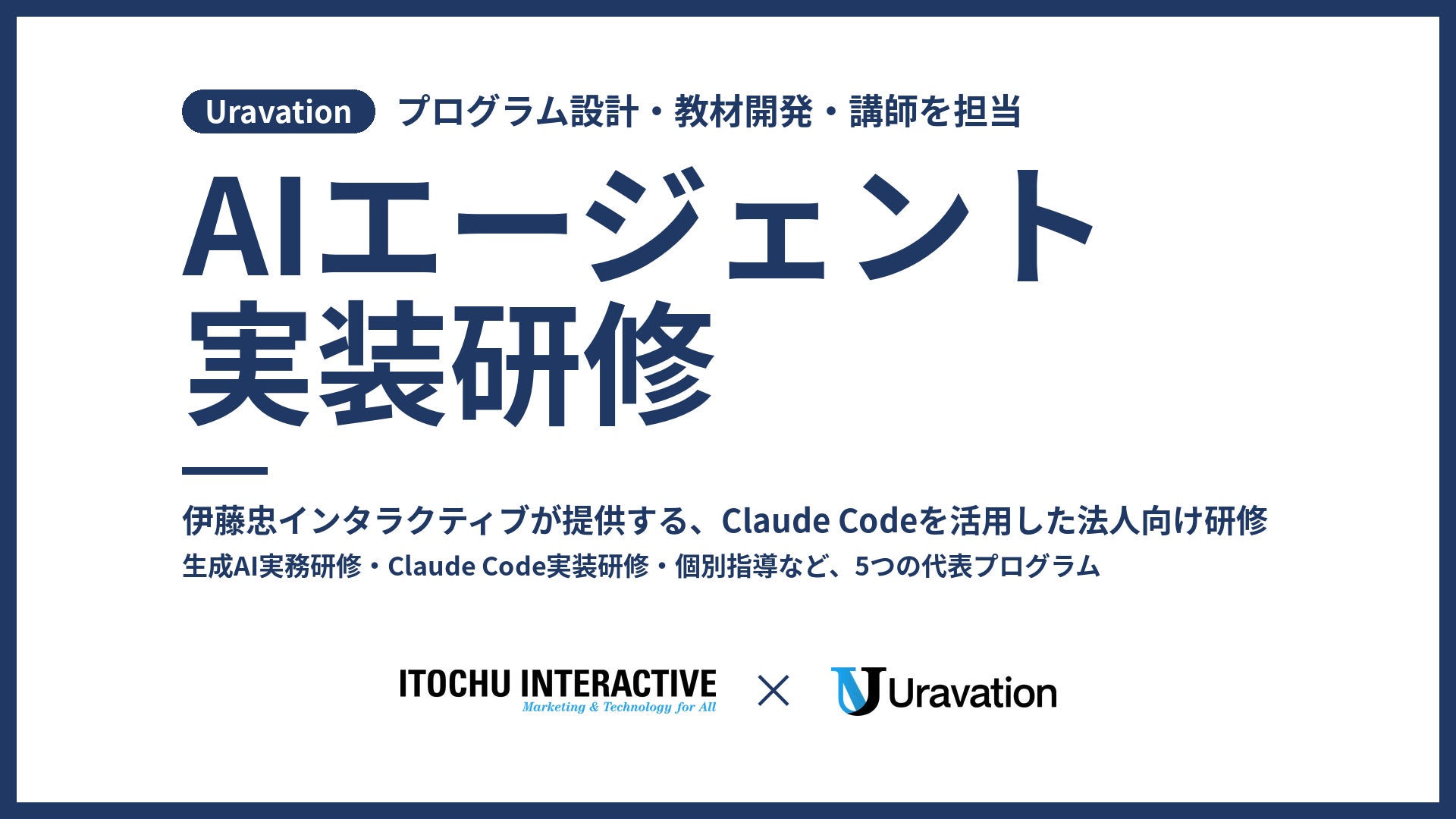
Uravation handled program design, materials and instructors for Itochu Interactive's corporate AI agent implem…
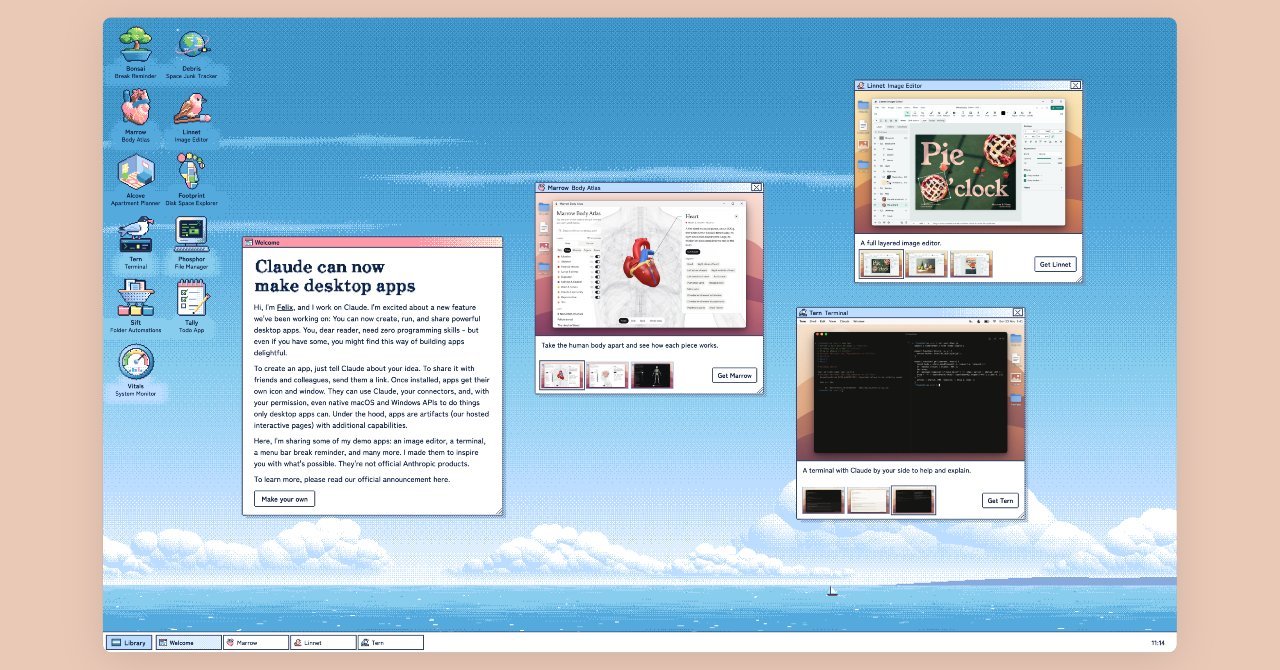
Anthropic announced on November 24 that "Install as app" lets Claude's conversational Artifacts — charts, web…
CTC added C-Native Harness, which manages IT infrastructure configuration and permissions, and C-Native CodeSp…
Computex said it will release an "AI-assisted debugging" technology in December that has AI check the state of…