What happened
A GitHub Senior Solutions Engineer applied an evidence-first method to four public apps — PiggyMetrics, BrowserQuest, DOOM and the Java ERP suite ADempiere — and encoded the procedure as the public doc-and-modernize Copilot agent skill.
Why it matters
The skill can automate the checklist of evidence, safety levels and phase gates, but organizations still supply approved runtimes, risk tolerance and who signs off — architectural judgment stays with the system's owners.
Summaries like this, every morning.
The post's starting point is a familiar trap: a modernization request usually opens with a technology question (which framework replaces the old one) rather than a question about what still works. The author's counter is to build an evidence inventory first — manifests, verified build and test commands, runtime pins, external contracts and end-of-life dependencies — and to label each finding as documented, inferred or unverified rather than letting a guess pass as a finding.
The PiggyMetrics case illustrates why that order matters. The project's Java 8, Spring Boot 2.0.3 and retired OAuth stack made a clean rewrite look tempting, but the feasibility probes showed a compile succeeding and five tests passing, with the nine failures tracing to a broken embedded MongoDB dependency rather than the application logic. That narrowed the next step to swapping the test dependency and establishing a green baseline before the Java 21 and Spring Boot 3.3 move. The author notes the same discipline applied differently to BrowserQuest (upgrade and swap) and DOOM (preserve the core, replace the platform), and flags that DOOM's checks froze outputs from the modernized engine rather than proving parity with a period-correct legacy binary.
Scaling to ADempiere changed the controls but not the method, and the work stopped once the proof-of-concept question was answered — the author frames the remaining work as a product funding decision rather than a technical one. This is where the agent skill fits: it encodes procedure (evidence requirements, safety levels, phase gates), while approved runtimes, criticality, compliance rules and sign-off authority remain decisions the organization must supply.
Pick your industry and the AI tools you use, and get news related to your work every day.
Free · 30 seconds with Google · unsubscribe anytimeWhat is AIToday? →
Ask AI anything about this article. The AI reads this article, earlier AIToday articles, and Wikipedia, and cites its sources. Q&As are published on this page for other readers too.
株式会社if launched a three-month corporate training course specialized in Claude Code from November 10, 2026

GitHub's Senior Solutions Engineer detailed an evidence-first method for modernization, applied to PiggyMetric…
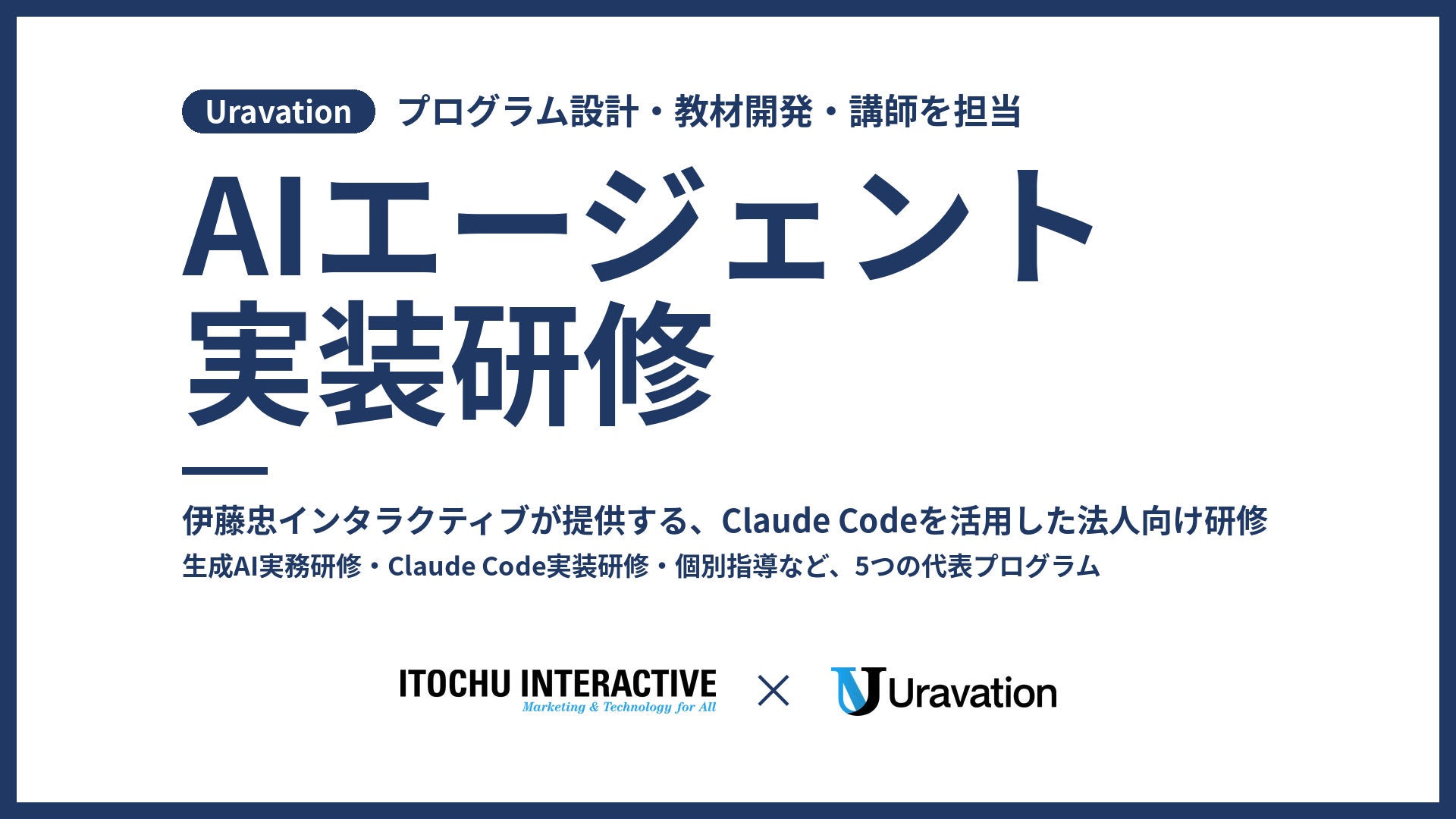
Uravation handled program design, materials and instructors for Itochu Interactive's corporate AI agent implem…
Anthropic announced on November 24 that "Install as app" lets Claude's conversational Artifacts — charts, web…

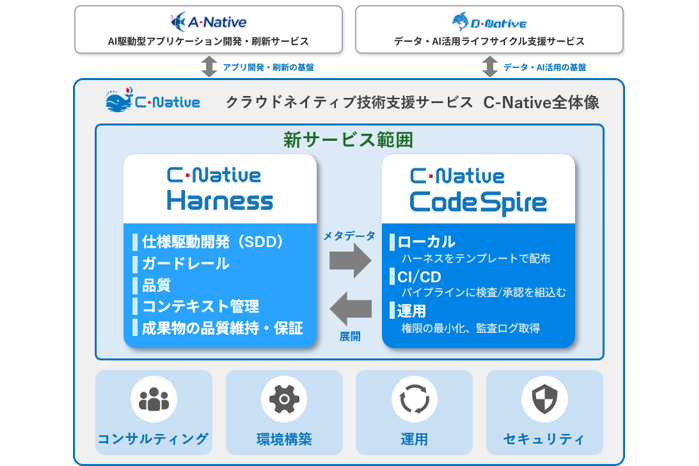
CTC added C-Native Harness, which manages IT infrastructure configuration and permissions, and C-Native CodeSp…
Computex said it will release an "AI-assisted debugging" technology in December that has AI check the state of…