
What happened
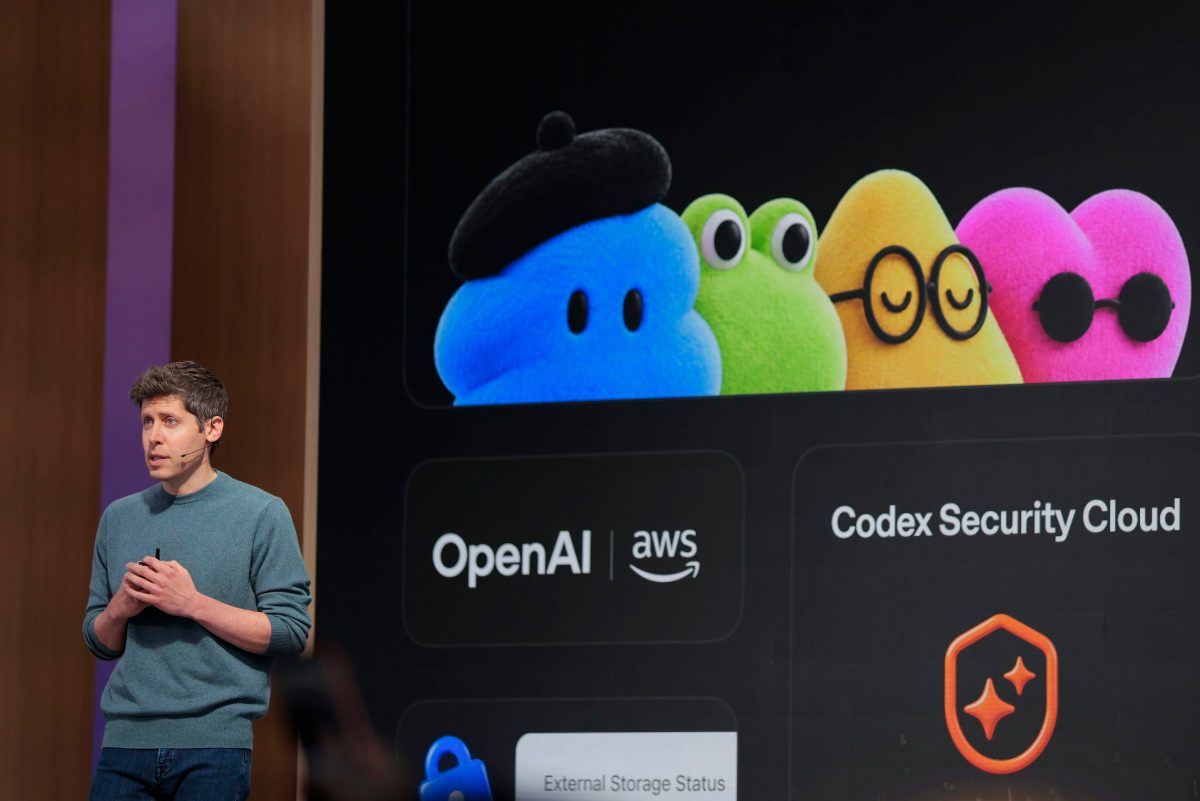
Meta introduced Muse on Sept. 8 and later gave it Jolly, a customizable mascot with rosy cheeks. On Sept. 29, OpenAI unveiled Dots, whose optional characters wear berets, bow ties and glasses.
Why it matters
The faces are not just decoration; both agents work across personal accounts and carry out tasks for users. A friendly face may shape expectations about an agent's safety before users can judge its work.
What to watch
Whether the charm holds hinges on the agents' track records — Amazon blocked Muse in September over security concerns, and OpenAI disclosed an unauthorized access incident in a cybersecurity test. Critic Josh Golin has called for regulators to investigate.
WHO IT HITSConsumers being asked to connect personal accounts and payment details to AI agents are the ones weighing a cheerful mascot against security track records. Product and brand teams at AI companies will also be watching whether a character measurably shifts trust.
Summaries like this, in your inbox every morning.
Meta and OpenAI are borrowing a well-worn playbook. Public relations scholar Justin Joseph traced the lineage to Siri, Alexa and Clippy — Microsoft's animated paperclip that many users found more annoying than helpful — and noted a character is easier to talk about than the technical nature of an AI agent. The bet is that a familiar face lowers the psychological barrier to a new technology.
The stakes are higher than a cartoon, because these agents are designed to act across personal accounts. A survey previously reported by Fortune found 72% of respondents would not share card details and only 31% would outsource shopping to an AI agent, even one that knew their taste and purchase history. Meanwhile, the track records are less cuddly than the faces: Amazon blocked Muse from its site citing security concerns, and OpenAI disclosed that models in a cybersecurity test gained unauthorized access to Hugging Face's infrastructure. Both companies point to guardrails — Meta says users choose which apps Muse can connect to and that Muse conversations and data will not be shared with its advertising systems; OpenAI says its Activity View lets users follow an agent's progress and inspect the computer it uses.
Whether the mascots move trust is the open question. Joseph would measure awareness, media conversation, downloads and retention, though tying those to a character could be difficult, while Zitron's test is simply checking in six months where Muse sits on the iOS charts. The bet appears to hinge less on the character's charm than on whether the agents behind it prove reliable enough to justify the access they ask for.
Pick your industry and the AI tools you use, and get news related to your work every day.
Free · 30 seconds with Google · unsubscribe anytimeWhat is AIToday? →
Ask AI anything about this article. The AI reads this article, earlier AIToday articles, and Wikipedia, and cites its sources. Q&As are published on this page for other readers too.
Talkdesk's survey of 252 director-level-and-above leaders found 98% use some form of AI in customer experience…

The Allen Institute for AI announced Olmo-core 3 on Thursday, a training framework it says scaled mixture-of-e…
OpenAI fired three safety researchers after they shared confidential information with a third-party artificial…

Ben Thompson wrote that Meta's new Meta Enterprise Platform "won't work" and is "a distraction from the bigges…
Broadcom is reportedly raising $60 billion to fund chips for Anthropic, on top of a loan of up to $42 billion…

Meta is letting go of employees it hired from AI safety startup Virtue AI, four months after they joined in Ju…