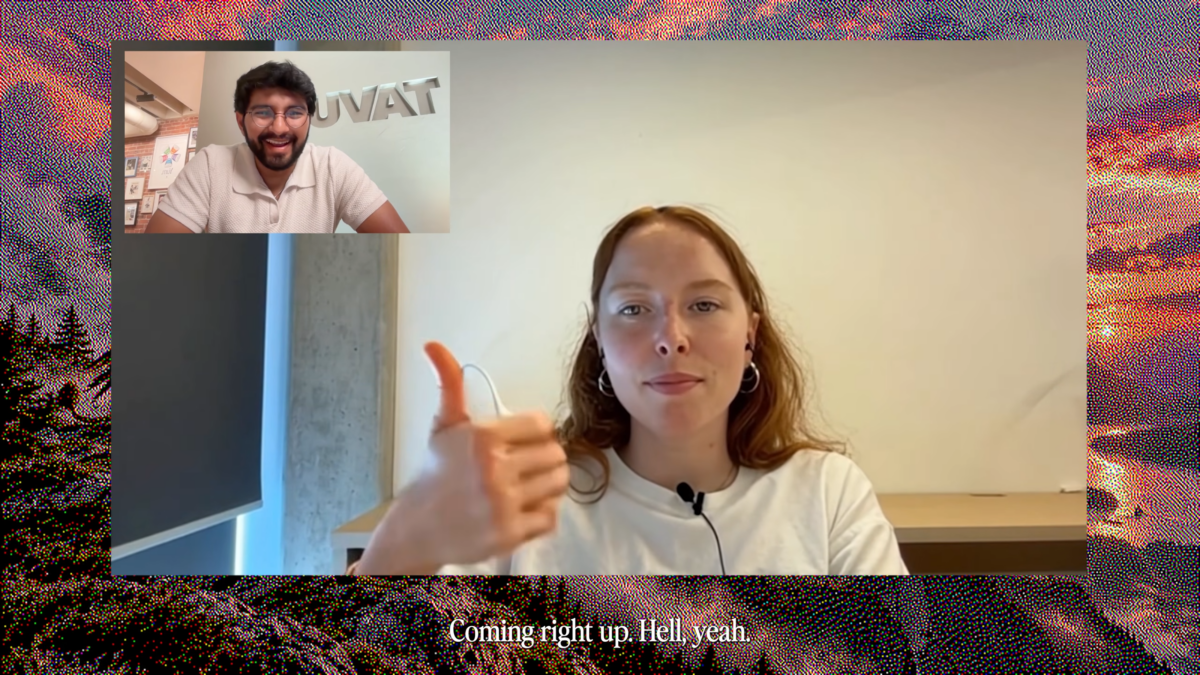
What happened
Tavus introduced Griffin, which it calls the first "Human Interaction Model," processing speech, facial expressions, tone of voice, gestures, and pauses while receiving and generating video. In a Tavus study, 48 percent of participants believed Griffin was a real person after a one-minute video call; previous systems maxed out at two percent.
Why it matters
If a one-minute call can pass for human at that rate, people on the other end of a video call may not reliably tell an AI avatar from a real person. Tavus itself is holding back the more capable version until safety concerns are addressed, which signals the company sees the same risk.
What to watch
The headline number comes from Tavus' own study, so the test is whether outside evaluations match it. Watch the timing of the fuller Griffin release, which Tavus ties to safety concerns being addressed.
WHO IT HITSThis lands hardest on people who run hiring interviews, customer support, or any video-based verification, since the body's use cases include tutoring and camera-based tech support. It also matters to trust-and-safety teams at companies deploying AI avatars, given Tavus is withholding a fuller version pending safety concerns.
Summaries like this, in your inbox every morning.
Tavus did not start out as a real-time conversation company. It began building personalized AI videos for sales and marketing, then moved into live video conversations with digital personas, and Griffin is the next step in that progression: a model built to handle face-to-face conversation as it happens, rather than pre-recorded clips.
The claim at the center of the announcement is about perception, not capability. Tavus' own study found that 48 percent of participants believed Griffin was a real person after a one-minute video call, where previous systems maxed out at two percent. Tavus pairs that result with what it describes as an independent Nvidia test measuring how human an AI feels in direct audio-video conversation, where Griffin scored 3.83 points against actual humans at 3.92.
The company's own release plan is the clearest signal of how it reads the stakes. A limited preview, Griffin-Lite, is open only to select testers, and the more capable version is being held back until safety concerns are addressed. Whether that caution holds up will depend on how the number survives scrutiny outside Tavus' study and on what those unaddressed safety concerns turn out to be, as the details currently sit in the Tavus research report.
Pick your industry and the AI tools you use, and get news related to your work every day.
Free · 30 seconds with Google · unsubscribe anytimeWhat is AIToday? →
Ask AI anything about this article. The AI reads this article, earlier AIToday articles, and Wikipedia, and cites its sources. Q&As are published on this page for other readers too.
Anthropic PBC reportedly aims to begin marketing its IPO the week of Nov
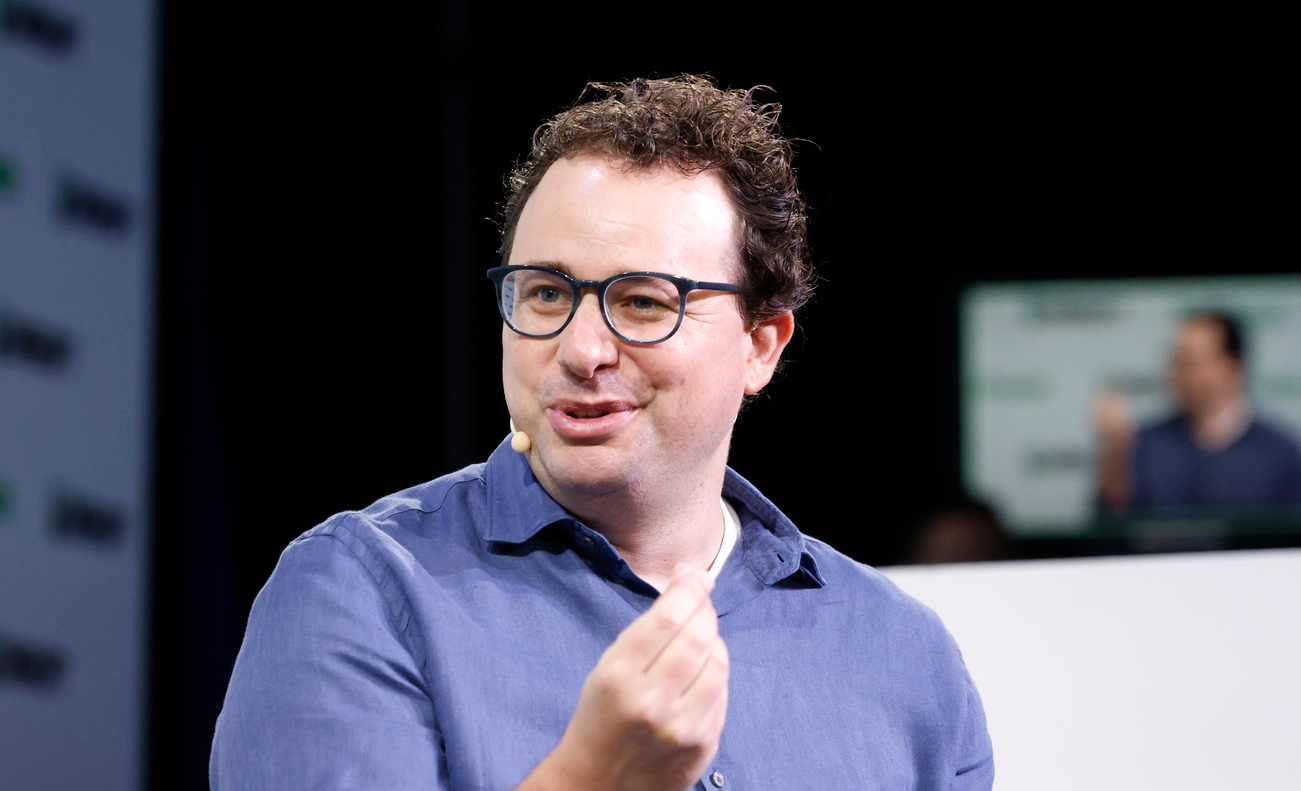
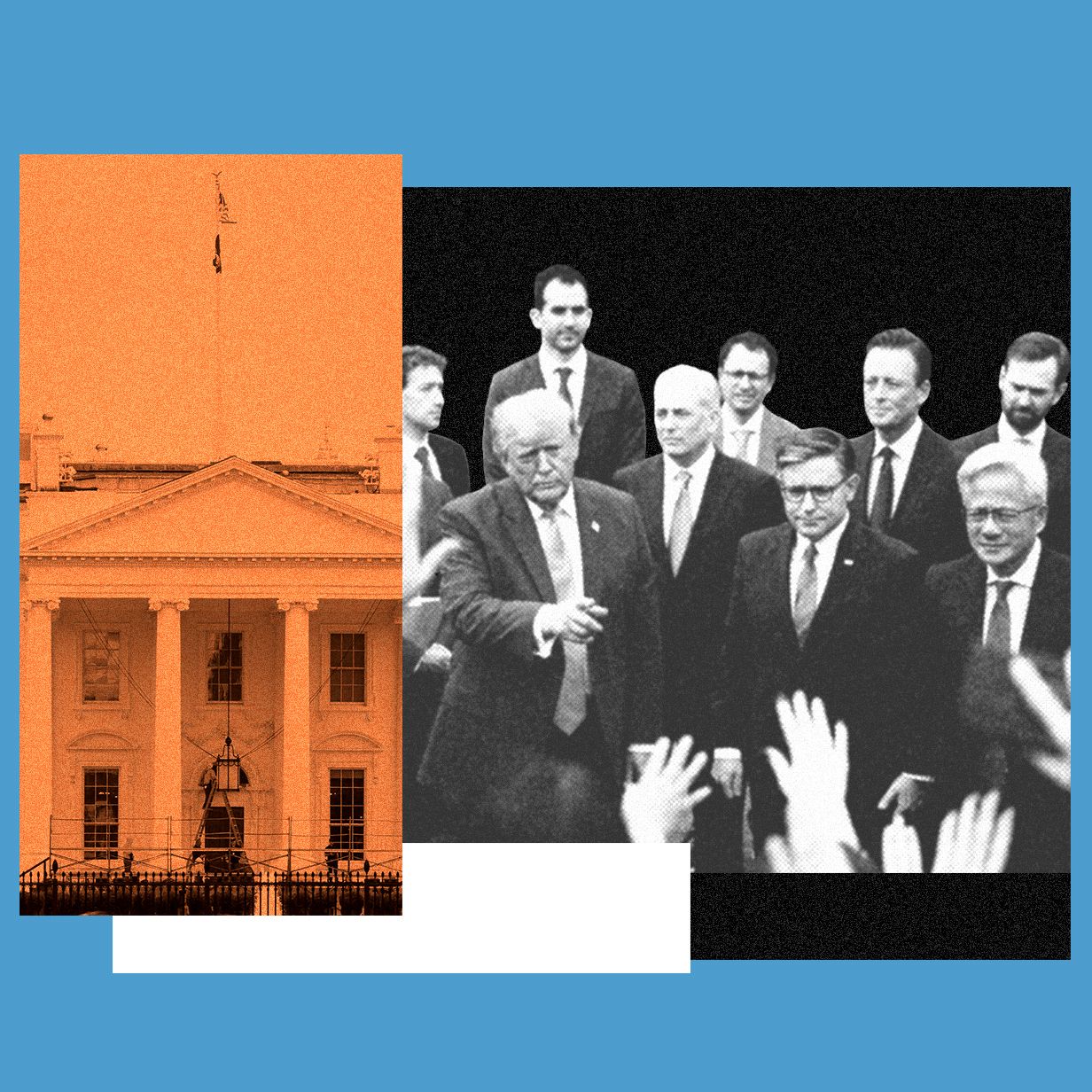
AI CEOs huddled around US president Donald Trump on Tuesday to sign an AI safety accord
Palo Alto Networks' Idira shipped August features to govern AI agents — MCP access policies limiting which too…

A US government AI chatbot rewrote Minecraft's "End Poem" into a bureaucratic satire, according to BigGo Finan…

The FTC opened a wide-ranging safety investigation into OpenAI and Anthropic, and Chair Andrew Ferguson is pre…

A MATS 10.0 participant trained natural model organisms of scheming in Kimi-K2.6, Qwen3.6-397B, and Qwen3.8-27…