What happened
Snowflake announced general availability of a redesigned Observe MCP (model context protocol) server and new Observe CLI tool that give AI agents direct programmatic access to the full Observe observability platform. Both tools expose the same operations and are now rolling out across all clusters, with eu-2 and ca-1 to follow shortly.
Why it matters
As AI agents increasingly read telemetry data (coding assistants investigating errors, AI SREs correlating failures across services), observability platforms must support agent workflows alongside human-readable interfaces. The new tools let engineers build custom alert-triage agents and incident investigation copilots that query production data directly, reducing latency and eliminating the cost of an LLM intermediary that the old architecture required.
What to watch
The new architecture removes a custom LLM layer from the old MCP server and connects agents directly to Observe's APIs. Both tools ship with prebuilt skills for common observability tasks (incident investigation, failure tracing, change validation, n+1 issue detection, outlier detection) that work immediately after configuration.
Summaries like this, in your inbox every morning.
Observability platforms have traditionally been built for human operators—dashboards, UI visualizations, and manual query interfaces. As AI agents become integrated into incident response and debugging workflows, the data models and access patterns that work for humans no longer suffice. Coding assistants that investigate errors before an engineer opens a ticket, or AI SREs that correlate failures across services, require programmatic APIs and structured data access that the UI-first approach cannot provide efficiently.
Snowflake's redesign reflects direct feedback from engineering teams already deploying agents against Observe. Several teams had built their own workarounds because the previous MCP server lacked supported programmatic access. The original architecture's key bottleneck was economic and technical: a custom LLM intermediary that interpreted natural-language queries meant agents could not explore datasets directly, incurred latency on every call, and forced Observe to absorb the cost of running an LLM harness. By removing the LLM layer entirely and exposing direct API access, the new MCP server and CLI lower operational cost, reduce latency, and grant agents the fine-grained visibility they need to write efficient queries. This shift reflects the broader industry recognition that agents and humans will read the same observability data through different interfaces—CLI, MCP, and UI—and that platforms must optimize for both.
Pick your industry and the AI tools you use, and get news related to your work every day.
Free · 30 seconds with Google · unsubscribe anytimeWhat is AIToday? →
Ask AI anything about this article. The AI reads this article, earlier AIToday articles, and Wikipedia, and cites its sources. Q&As are published on this page for other readers too.
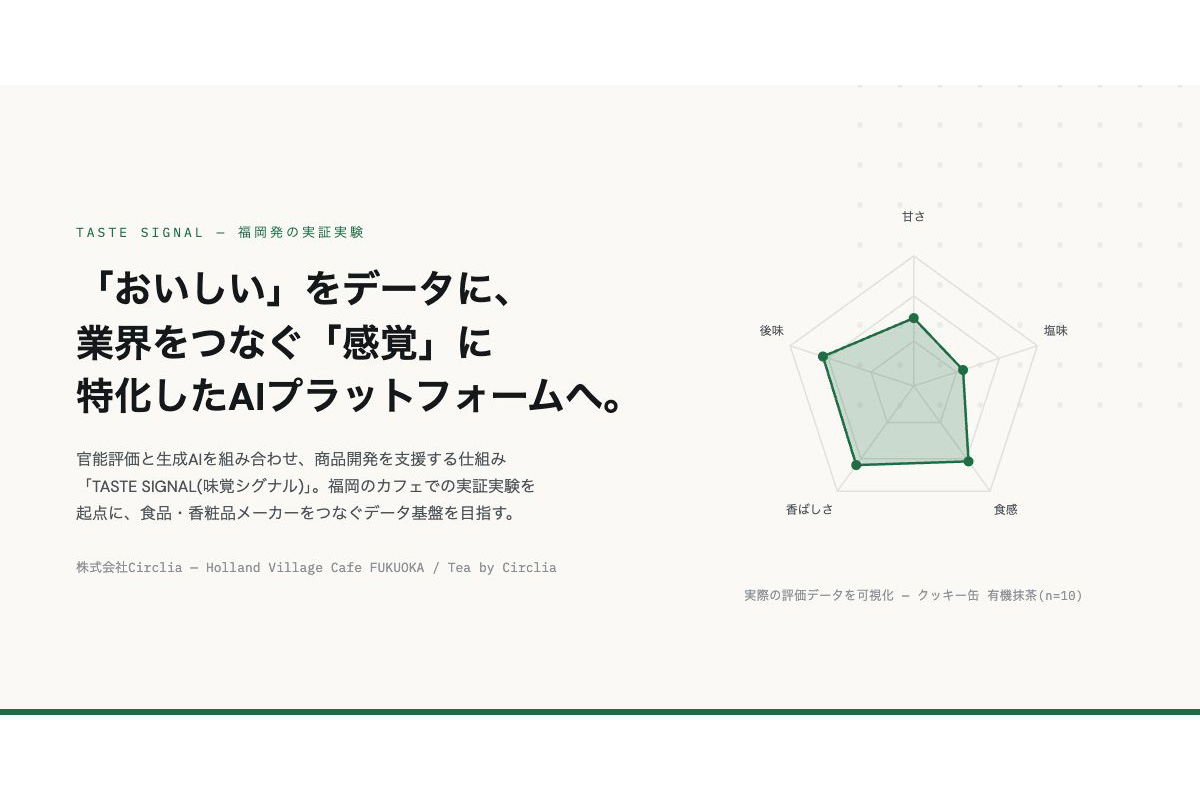
Circlia started a proof-of-concept for TASTE SIGNAL: visitors to Holland Village Cafe FUKUOKA taste cookies an…
In a webinar hosted by French Mathematical Society president Isabelle Gallagher, Fields Medal winner Hugo Dumi…

NVIDIA released Nemotron 3.5 Super VL, an open-weight model with 120 billion parameters that handles text, ima…
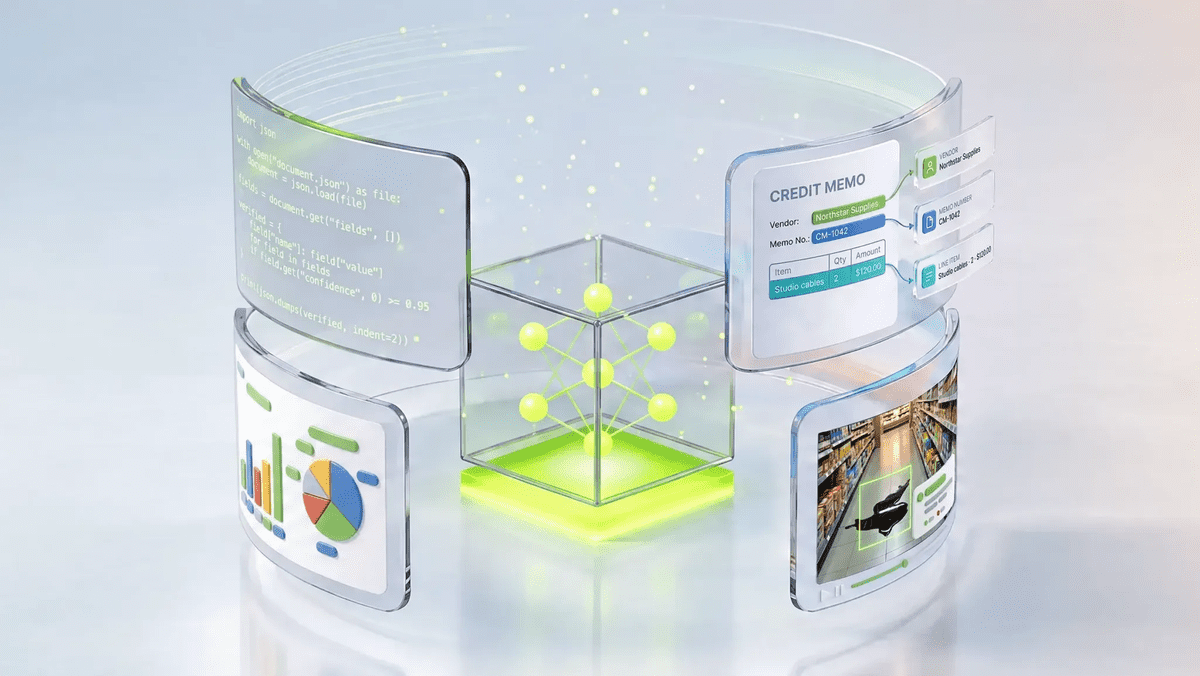
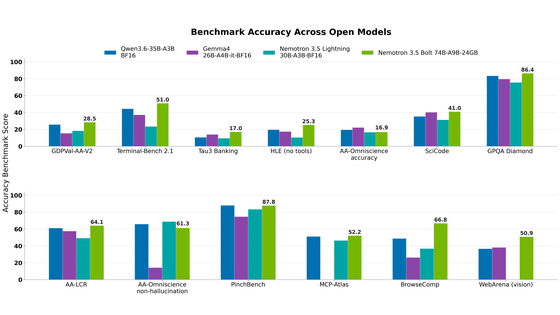
NVIDIA released Nemotron 3.5 Bolt 74B-A9B 24GB, an AI model for local agents that hits over 80 tokens per seco…
NVIDIA published a blog post titled "AI Security Is an Engineering Problem - How to Solve It at Every Layer of…

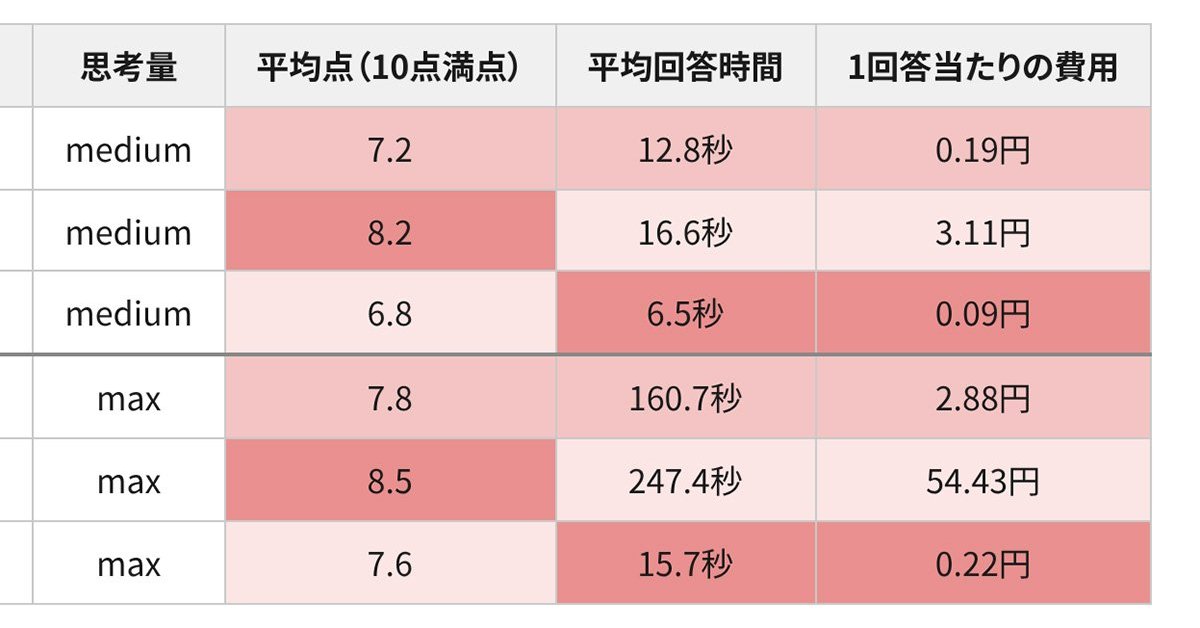
In the test, Haiku 5.5 on medium setting averaged scores close to Sonnet 5.5 on routine documents at about 1/1…