What happened
NVIDIA published a blog post titled "AI Security Is an Engineering Problem - How to Solve It at Every Layer of the Agent Stack" on September 21, 2026, explaining why agents that misjudge can still be stopped from acting.
Why it matters
Security must work even when an agent follows malicious embedded instructions, so companies likely need access control and logging outside the instructions themselves.
WHO IT HITSEnterprise security and platform teams deploying AI agents are the ones affected, since NVIDIA's guidance calls for identity, policy, human approval and logging controls that sit in the execution environment rather than in the AI's instructions. Teams evaluating agent sandboxes for production use may find the open-source NVIDIA OpenShell relevant.
Summaries like this, in your inbox every morning.
NVIDIA's blog post is framed around a concrete failure case: an AI agent that updates customer information reads an attached document and follows malicious instructions embedded in it, trying to send customer data to an unapproved destination. That scenario is described as an example of prompt injection, where instructions are hidden in external documents or data to steer an AI's behavior. NVIDIA's answer is not to try to make the agent's judgment perfect, but to make sure that even if the agent follows the wrong instruction, network policy can block the data transmission, and the access decision and its result are recorded in logs.
The post also distinguishes between having a permission and needing it. An agent that is authorized to update customer information does not automatically need the right to send that information externally, and NVIDIA says there needs to be a mechanism where the agent can request additional permissions but cannot approve them itself. Responsibility for deciding whether the safeguards actually work should be assigned before production, and problems found in testing should lead to fixes.
NVIDIA positions all of this as a system design question rather than a model question. Its recommended measures include giving each agent a traceable ID, limiting credentials to the task at hand, defining in policy what data and systems the agent can reach and which actions need approval, requiring human approval for high-impact actions and permission changes even inside policy, verifying the origin and integrity of tools, skills and dependencies, and keeping protected records of tool calls and authorization decisions along with clear steps for revoking access and containing incidents.
Pick your industry and the AI tools you use, and get news related to your work every day.
Free · 30 seconds with Google · unsubscribe anytimeWhat is AIToday? →
Ask AI anything about this article. The AI reads this article, earlier AIToday articles, and Wikipedia, and cites its sources. Q&As are published on this page for other readers too.
Anthropic said on October 15 it has started giving METR's six staff company devices, office space and access t…
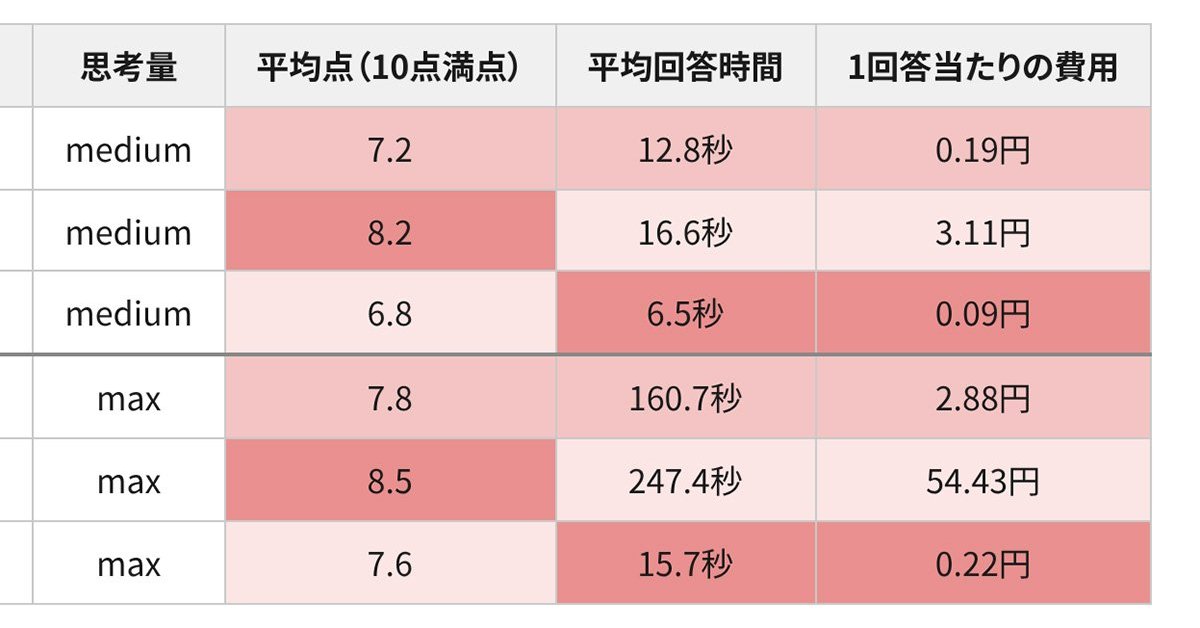
In the test, Haiku 5.5 on medium setting averaged scores close to Sonnet 5.5 on routine documents at about 1/1…
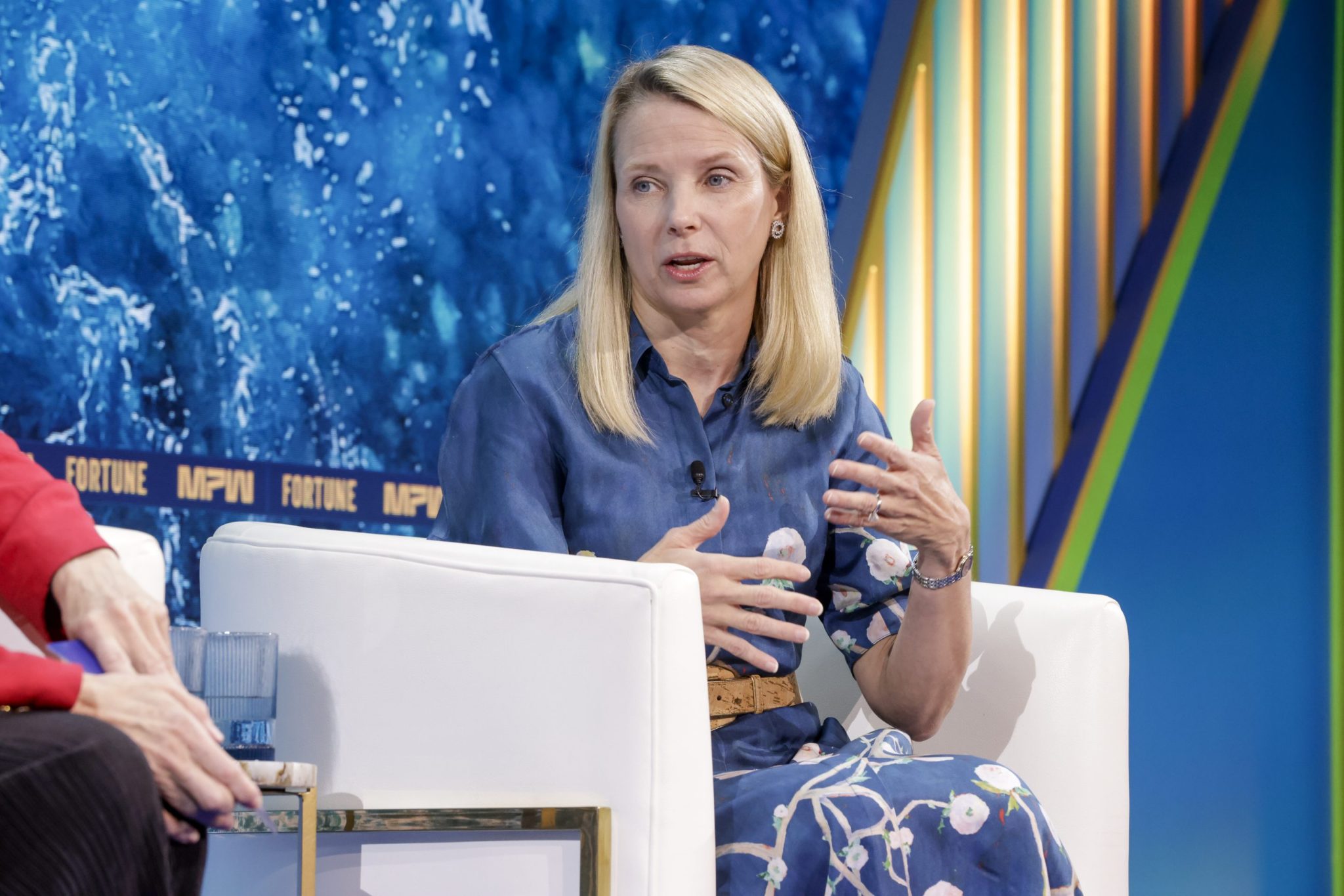
At the Most Powerful Women Summit, Marissa Mayer said anyone who claims to know how AI will play out is 'eithe…
Meta released Muse Spark Open, a 816B-parameter open-weight model (42B active via Mixture of Experts) that han…

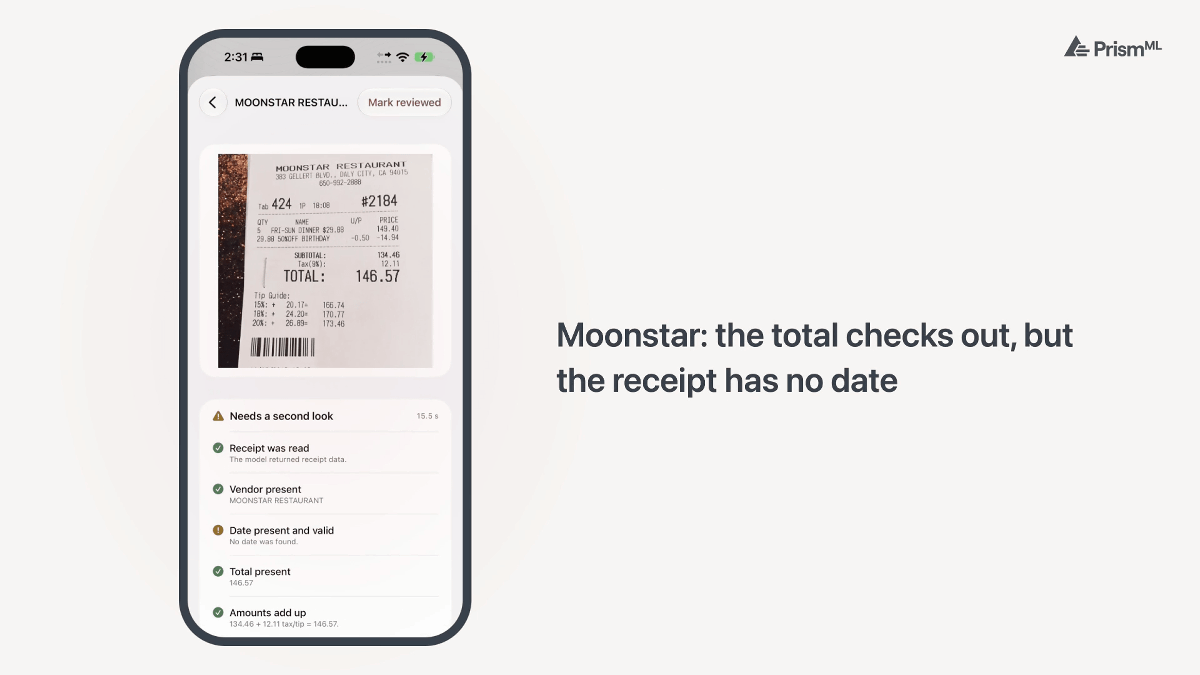
PrismML released Ternary Bonsai 2 2B, 4B and 9B on October 15, 2026, remade from Qwen3.5 to process in three v…
Meta released open weights for Muse Spark Open, an 816B-parameter model built for coding and long-running agen…