What happened
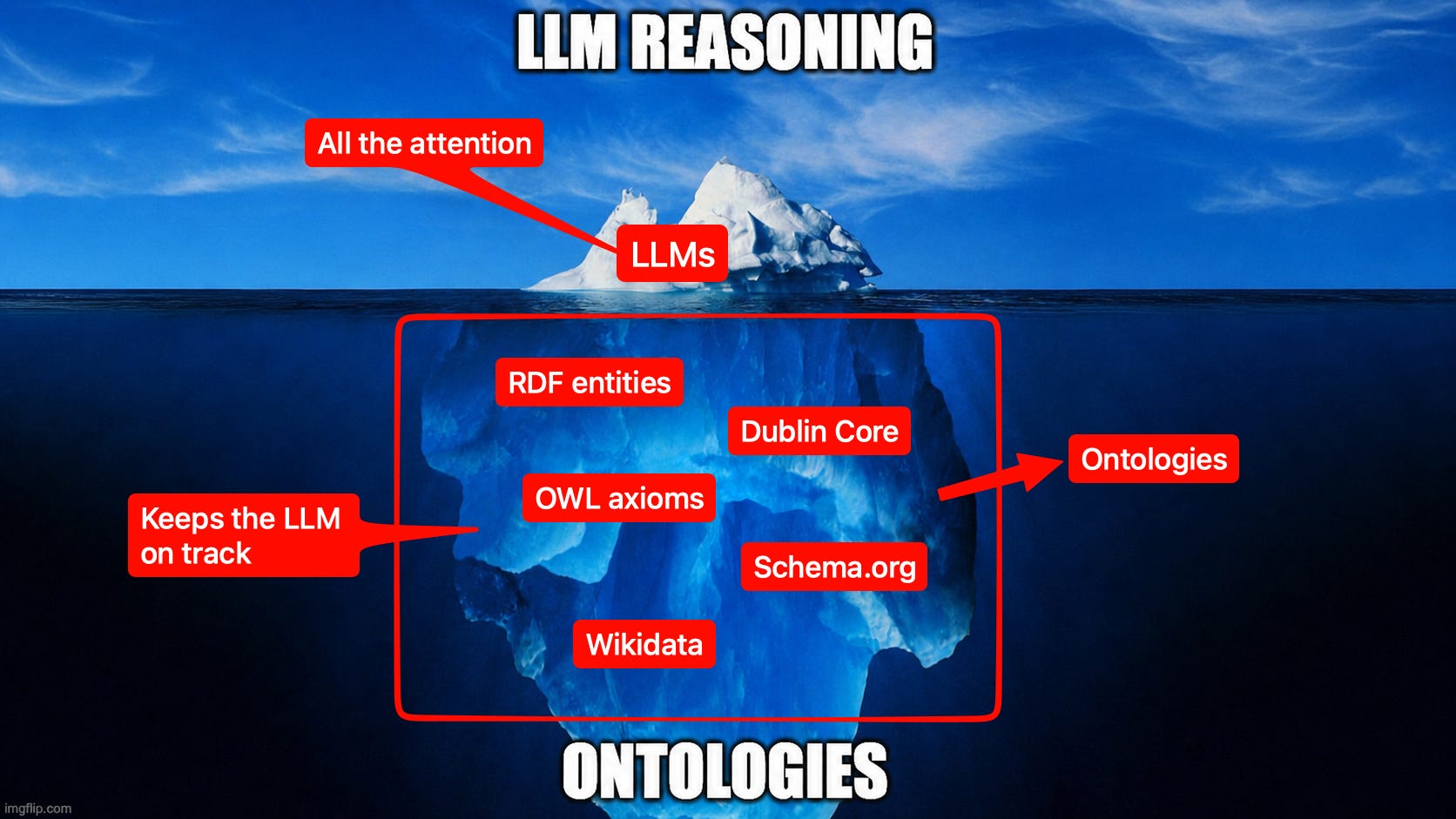
UC Berkeley professor Frank Coyle presented at the AI Engineer World's Fair 2026 on using ontologies — structured descriptions of data classes, properties, and relationships — to add logical constraints to AI agent systems. Neo4j CEO Emil Eifrem outlined three ontology types (business-facing, technical metadata, and execution traces) to enable scaled agentic systems on a shared semantic layer.
Why it matters
Large language models excel at probabilistic reasoning but can drift off course without external constraints. Ontologies, borrowed from decades of AI history and already embedded in LLM training data, act as rule-based guardrails to keep agents honest and predictable — addressing a core concern at AIEWF about quality control and the need to prevent automated systems from breaking. This represents a shift from 2025's looser "vibe coding" back toward disciplined software engineering.
What to watch
The maintenance challenge that historically sank the 1990s–2000s Semantic Web vision. Developer Prasenjit Sarkar suggested agents could self-maintain ontologies by updating definitions when encountering edge cases, though he noted it remains a hard problem. Early adoption by companies like Neo4j and OpenLink Software (which is building an "agent engineering stack" with RDF memory) will signal whether the technical and organizational barriers have been solved.
Summaries like this, in your inbox every morning.
The resurgence of ontologies at AIEWF 2026 reflects a fundamental tension in AI engineering: large language models are powerful probabilistic reasoners, but their very flexibility makes them unpredictable. As Frank Coyle framed it, agentic systems need "logical guardrails" to stay reliable—and ontologies, a concept rooted in Aristotle and formalized throughout AI history, provide exactly that structure. The fact that traditional web ontologies (Schema.org, FOAF, Dublin Core) and augmenting technologies (RDFS, OWL) are already present in LLM training data removes a major friction point; developers can leverage existing standards rather than starting from scratch.
This shift marks a deliberate course correction from 2025's "vibe coding" ethos, in which looser, faster development seemed sufficient. The conference revealed that the industry has collectively recognized the cost of that approach: automated systems that are not constrained can break or "go off the rails," and guardrails—human oversight and logical constraints—are essential. Neo4j's vision of "thin agents on a smarter shared ontology-based semantic layer" illustrates how ontologies could scale agentic systems by providing a common, machine-enforced ruleset rather than forcing each agent to carry its own data wiring.
The historical parallel is instructive: the 1990s–2000s Semantic Web failed partly on maintenance—keeping knowledge structures current proved too labor-intensive for the web at scale. The potential solution now is symbiotic: agents that maintain and update their own ontologies as they encounter edge cases, turning maintenance from a static chore into a dynamic part of agent operation. Whether this works depends on whether real implementations can sustain that self-correcting behavior without introducing new failure modes.
Pick your industry and the AI tools you use, and get news related to your work every day.
Free · 30 seconds with Google · unsubscribe anytimeWhat is AIToday? →
Ask AI anything about this article. The AI reads this article, earlier AIToday articles, and Wikipedia, and cites its sources. Q&As are published on this page for other readers too.
ElevenLabs completed a $300 million employee tender at a $22 billion valuation, and co-founder Mati Staniszews…
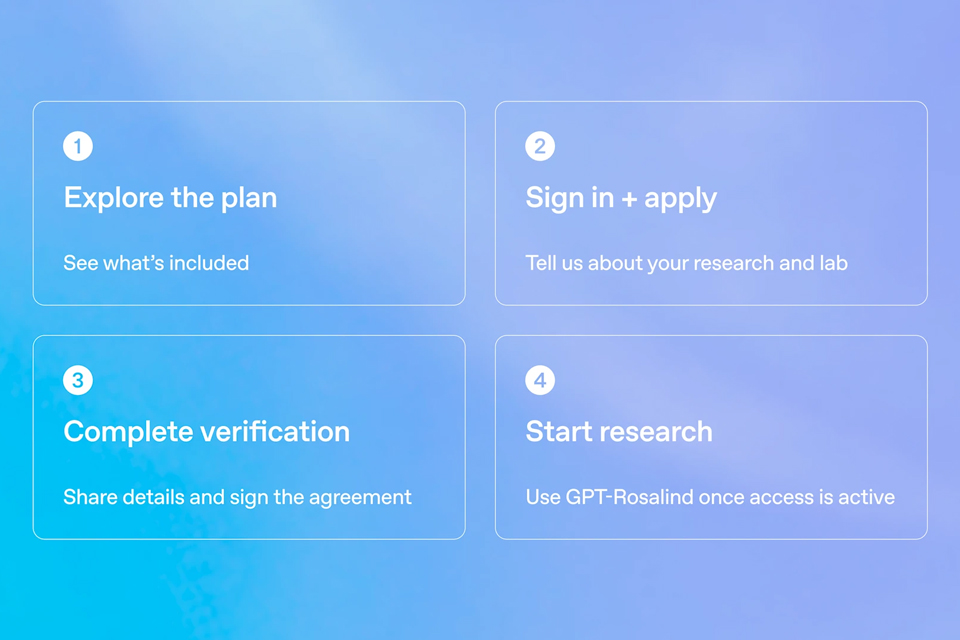
On October 15, OpenAI announced the Rosalind Academic Plan, giving approved US university labs free access to…
A Qiita article compared automated red-teaming methods for LLM apps — GCG, PAIR, and TAP — using mock implemen…

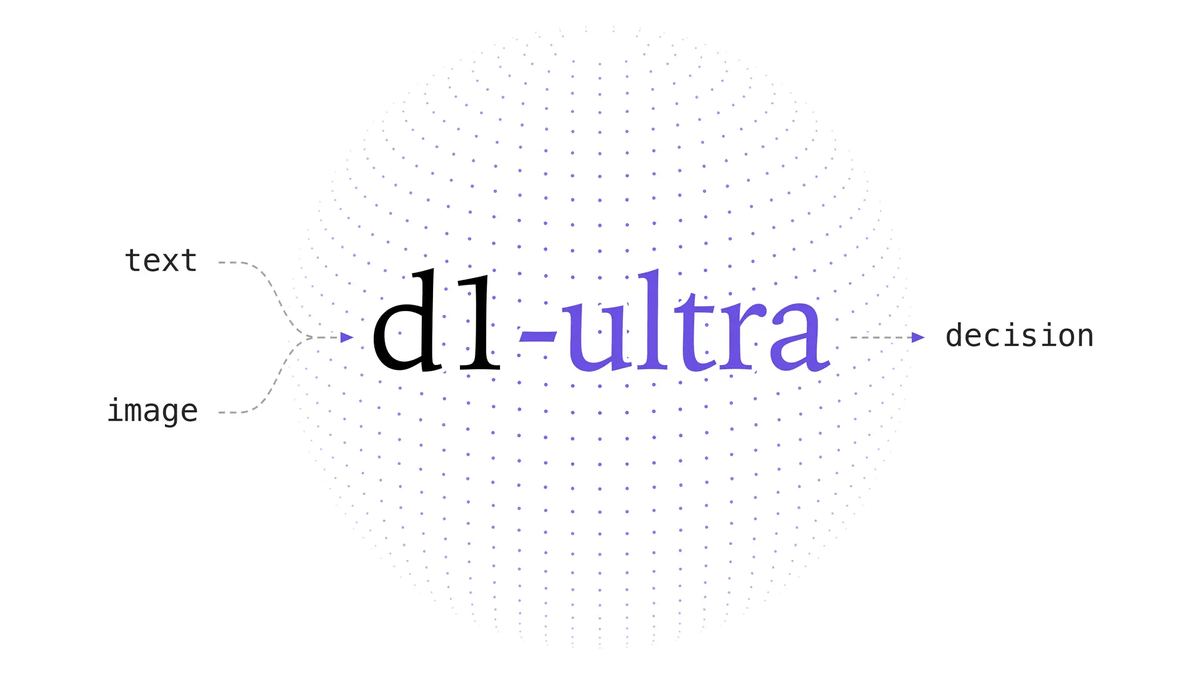
Liquid AI released d1-ultra on October 15, 2026, an upgraded open-weights decision model that averaged 76.7 ac…
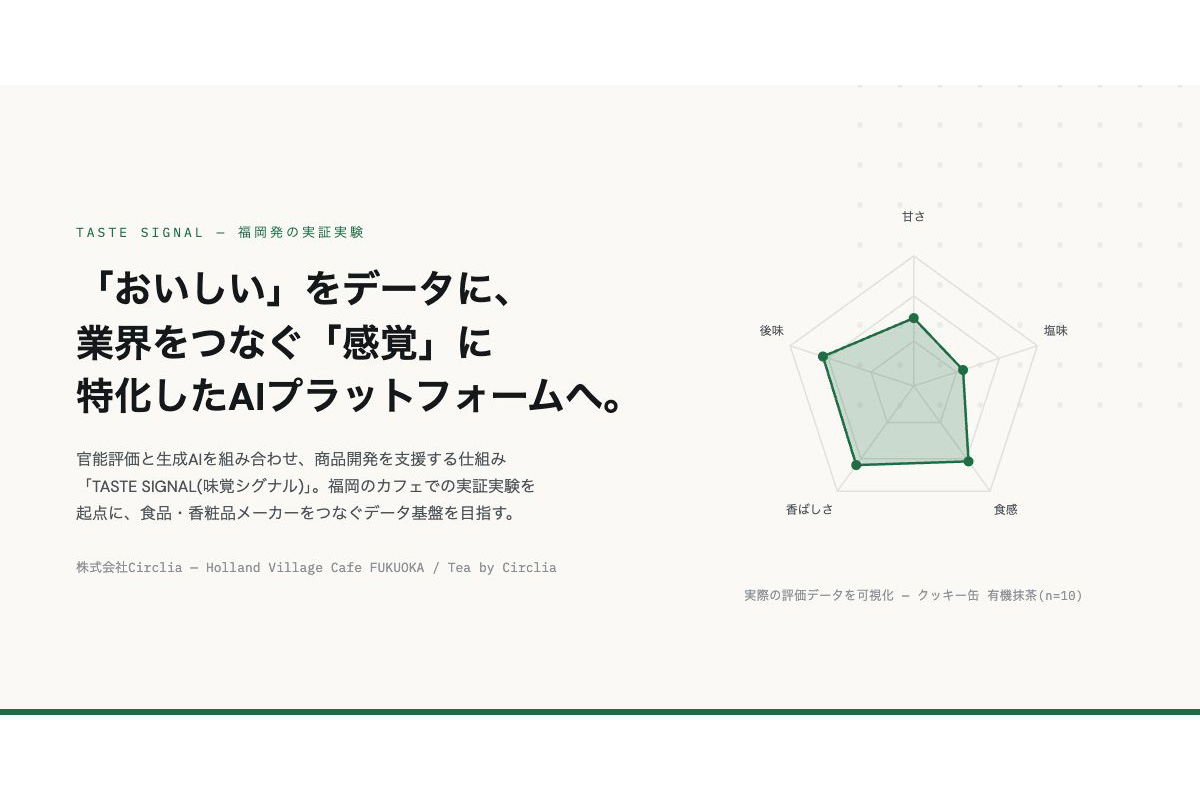
Circlia started a proof-of-concept for TASTE SIGNAL: visitors to Holland Village Cafe FUKUOKA taste cookies an…
In a webinar hosted by French Mathematical Society president Isabelle Gallagher, Fields Medal winner Hugo Dumi…

