What happened
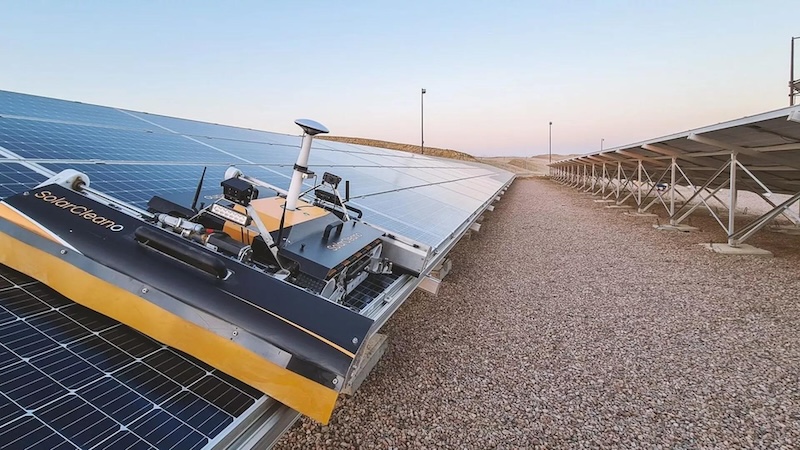
The European TALOS project wrapped up three years of testing autonomous robots and AI at solar sites in Spain, Portugal and the Netherlands, including Alqueva's floating solar plant.
Why it matters
TALOS says the main obstacle to wider deployment is regulation rather than technology, citing differing national rules, uncertain liability for autonomous systems and gaps covering floating solar and agrivoltaics.
WHO IT HITSSolar plant operators and maintenance teams get a tested model for handing inspection, cleaning and vegetation work to machines, with plant managers still approving each mission. The regulation comments land on European policymakers, who set the national rules and liability frameworks TALOS flags.
Summaries like this, in your inbox every morning.
TALOS is funded through Horizon Europe and ran its demonstrations at three contrasting sites. In Spain, six machines — inspection drones, a configurable ground vehicle and a large-scale cleaning robot — work across two hybrid solar and wind facilities totaling 56 MW. At Portugal's Alqueva reservoir, a rail-mounted robot cleans panels at a 5 MW floating solar plant while an uncrewed boat carries an inspection drone from shore. In the Netherlands, a drone and ground robot operate alongside an agrivoltaic pear orchard, with the ground robot also monitoring trees and counting fruit for yield forecasts.
Across these pilots, TALOS targets reductions of up to 90 percent in human exposure to risk and more than 70 percent in maintenance windows, alongside approximately 5 percent lower operations and maintenance costs and up to 10 percent less lost production. Rather than running on a fixed maintenance schedule, the platform uses production, weather and field data plus a digital twin of the plant to identify losses and rank tasks by potential value, with results from completed jobs recorded and fed back into the system.
The project's own reading is that regulation, not technology, is now the principal barrier to wider deployment. That framing may matter as more European solar capacity pairs with autonomous maintenance, since national rules on liability for autonomous systems and rules covering floating solar and agrivoltaics would need to align for the TALOS approach to spread beyond test sites.
Pick your industry and the AI tools you use, and get news related to your work every day.
Free · 30 seconds with Google · unsubscribe anytimeWhat is AIToday? →
Ask AI anything about this article. The AI reads this article, earlier AIToday articles, and Wikipedia, and cites its sources. Q&As are published on this page for other readers too.
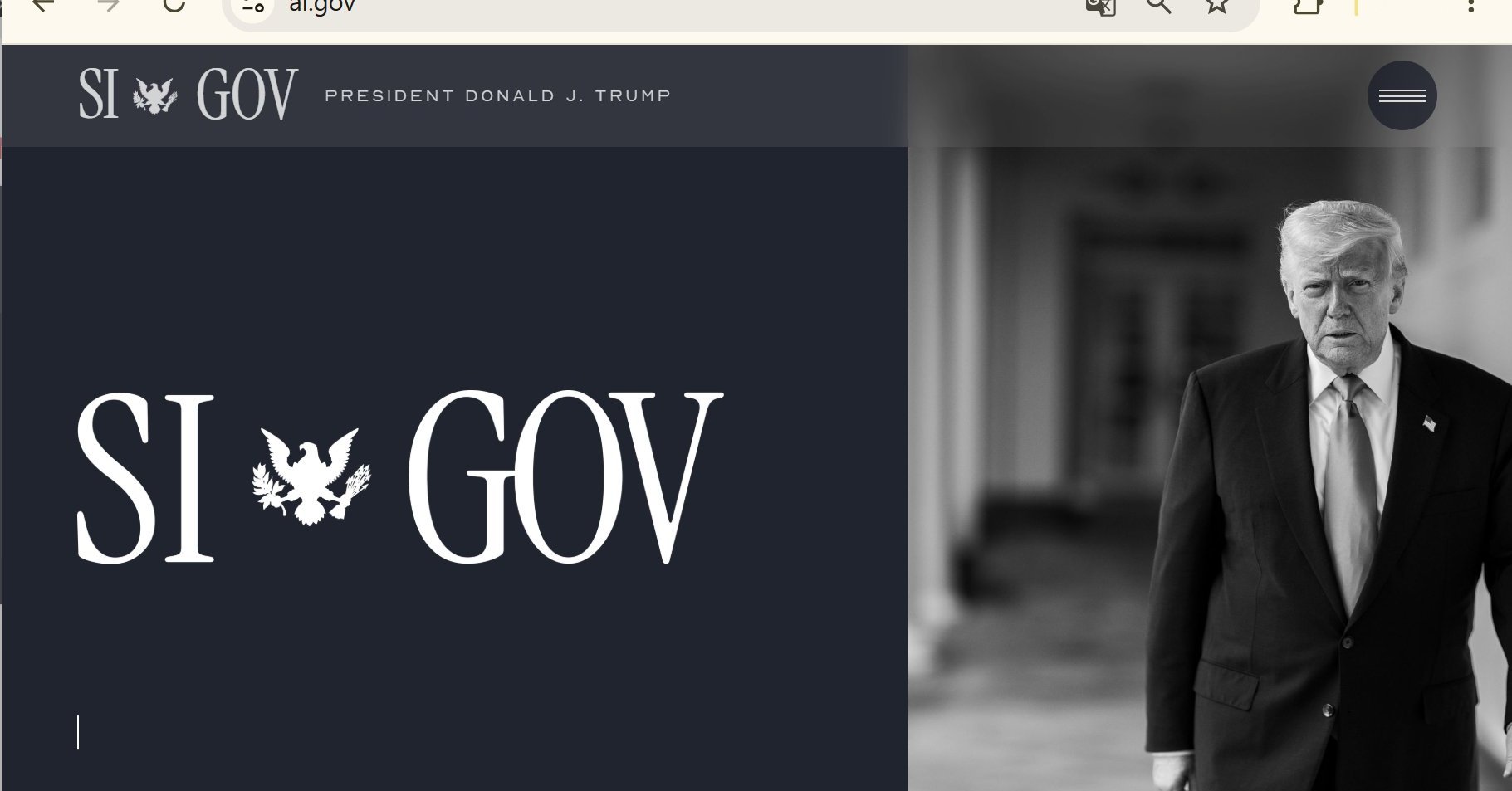
On October 8, President Trump posted on Truth Social that the White House regards anyone using the term "Artif…
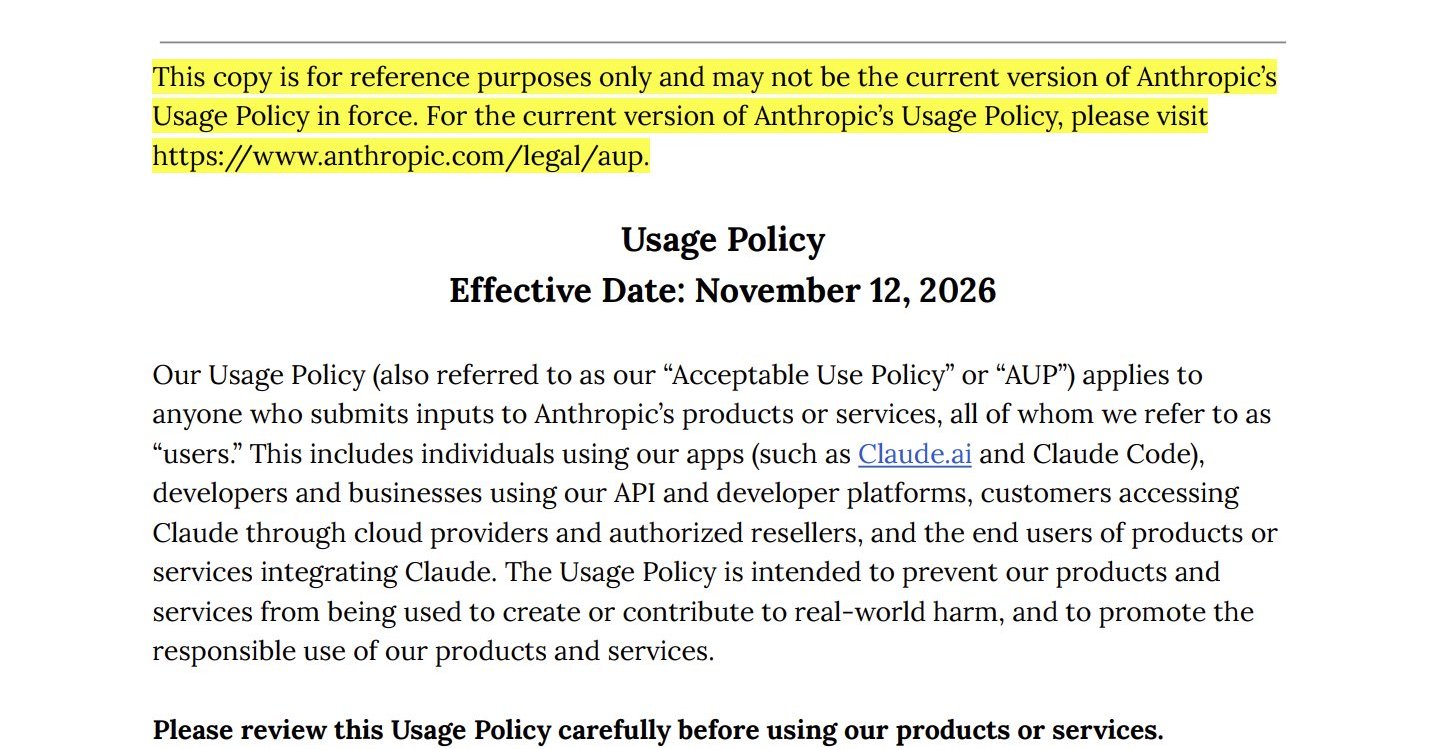
Anthropic published a revised Usage Policy for Claude on October 8, effective November 12
Politico reported on audio of private talks Peter Thiel gave in Tennessee on Sept 28 and Oct 5, where he said…
Danaher announced the launch of its first AI powered autonomous laboratory aimed at life sciences research acc…

In a SoftBank dialogue, AI governance chief Tadashi Iida and expert Kyoko Yoshinaga said firms must justify hu…

Renesas has developed its first low-voltage GaN power semiconductor, working with EPC and drawing on its own d…