What happened
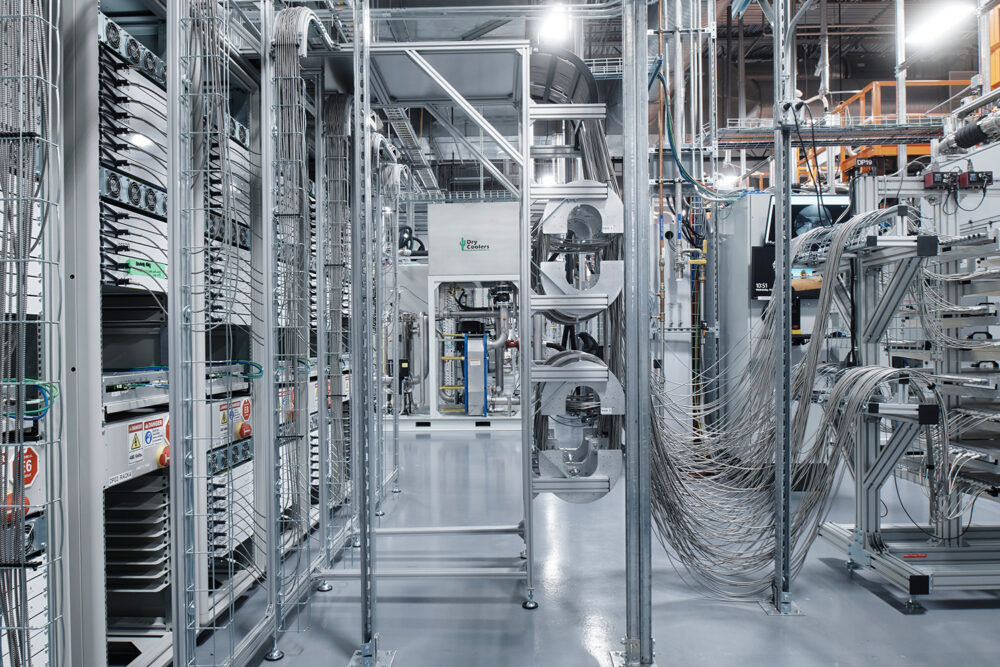
Bastian Koller of the High-Performance Computing Center Stuttgart said HammerHAI, built on Hewlett Packard Enterprise Co. and Nvidia Corp. Grace Blackwell systems, treats sovereignty as data control, since full independence down to European chips is 'not realistic in the near term.'
Why it matters
The center designs its services so workloads can move to a hyperscaler and back, meaning customers get a performance boost without being locked in, according to Koller.
Summaries like this, every morning.
HammerHAI is one of several publicly funded AI factories across Europe racing to give startups and small manufacturers access to supercomputer-class GPUs. The Stuttgart center has already worked with customers on existing systems while it waits for the new hardware, and several have produced success stories. Koller's pragmatic stance reflects a trade-off: rather than waiting for a sovereign processor or GPU, the center focuses on data control and portable workloads. The concierge model, which pairs each customer with a consistent contact, is presented as a way to learn how users work and avoid building systems nobody uses. The center runs an ISO-certified environment with TISAX Level 3 certification for automotive work, signaling attention to security and access demands. Its efficiency story—doubling performance at about 700 kilowatts versus a 3.2-megawatt predecessor—suggests the new system offers significant power savings, though the body does not quantify the ratio.
Pick your industry and the AI tools you use, and get news related to your work every day.
Free · 30 seconds with Google · unsubscribe anytimeWhat is AIToday? →
Ask AI anything about this article. The AI reads this article, earlier AIToday articles, and Wikipedia, and cites its sources. Q&As are published on this page for other readers too.
In a taiziii survey of 170 valid respondents — managers at companies with 300 or more employees whose departme…

The fair value estimate for Alphabet was cut from US$408.09 to US$397.13, a modest reset tied to research weig…
Robotics and physical AI companies have raised nearly $48 billion in 2026, but VulcanForms CTO Michael Kenwort…
The Nasdaq 100 fell 5.6% Friday and 10.43% for the week, its worst since March 2020; Nvidia closed at $125.53…

Citi added a section to its online user agreement this month stating that any access or transactions by a thir…
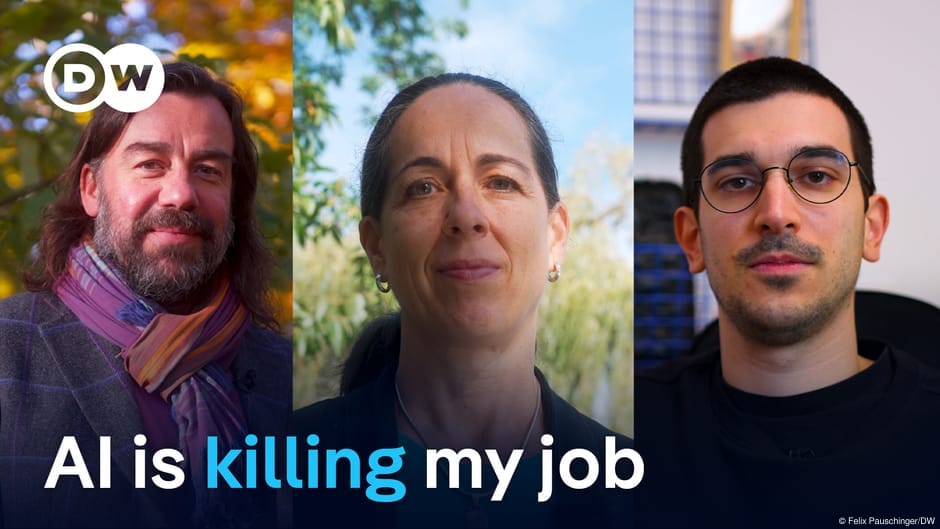
Interpreter Sara Campos lost a longtime Berlin client to AI, which the company chose because it is cheaper and…