
What happened
At the 2026 COA Payer Exchange and Innovation Summit, J&J's June Lanoue presented Oncology Care Index data: AI usage rose from 15% to 45% year over year, more than 80% use or experiment with AI, but only 19% deployed it, citing cost, cybersecurity, and workflow disruption.
Why it matters
The gap between interest and actual deployment is wide, as the survey of more than 200 oncologists and operational leaders shows most are still experimenting rather than running AI in practice.
What to watch
Whether deployment rises hinges on vendors addressing cost, cybersecurity, and workflow disruption—the top barriers cited. Lanoue said the index showed 3 areas of progress: moving AI from promise to practice, bringing trial access closer to home, and closing the interest-to-deployment gap.
WHO IT HITSCommunity oncology practice leaders and operational managers evaluating AI vendors will face pressure to close the deployment gap, while vendors must address cost, cybersecurity, and workflow concerns to win adoption.
Summaries like this, in your inbox every morning.
The 2026 COA Payer Exchange & Innovation Summit panel, moderated by COA's Shiela Plasencia, brought together Debra Patt of Texas Oncology and June Lanoue of Johnson & Johnson Innovative Medicine to examine AI's role in community oncology. The discussion highlighted that while enthusiasm for AI is high, execution lags—a finding underscored by J&J's Oncology Care Index showing a jump in AI usage from 15% to 45% year over year, yet only 19% deployment. This want-execution gap suggests that practices are interested but held back by cost, cybersecurity, and workflow concerns.
The panel also pointed to practical wins already in place, such as DeepScribe for dictation and Canopy's ePRO platform freeing nursing capacity, as well as clinical trial matching and decision support. These examples indicate that AI can deliver value when integrated into existing workflows rather than disrupting them. However, the conversation made clear that durable adoption hinges on vendors offering scalable, EHR-integrated solutions and genuine community oncology experience—not flashy presentations. The outcome for practices may depend on whether they can find partners who support change management beyond software deployment.
Pick your industry and the AI tools you use, and get news related to your work every day.
Free · 30 seconds with Google · unsubscribe anytimeWhat is AIToday? →
Ask AI anything about this article. The AI reads this article, earlier AIToday articles, and Wikipedia, and cites its sources. Q&As are published on this page for other readers too.
HBM is approaching half the cost of a GPU-HBM CoWoS package, prompting the question of whether memory remains…
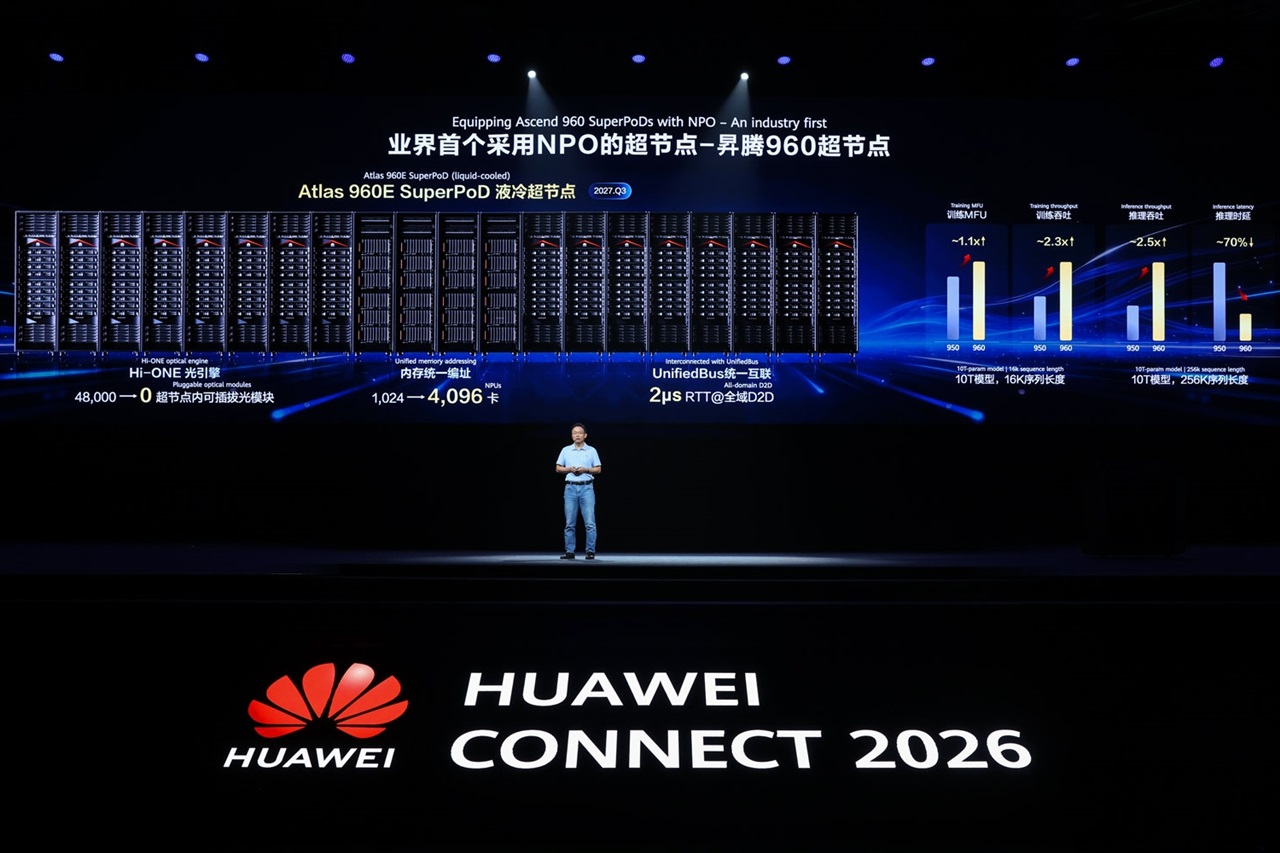
DeepSeek is bringing more of the software it uses to develop its AI models to Huawei Technologies' Ascend 950…
Among respondents at companies with 1,001+ employees, 50.0% said AI is used company-wide, and 46.0% flagged AI…

Oracle invoked "force majeure" to delay payment on its Project Jupiter data center, and its 2056 bonds then tr…

Nvidia released the Open Agent Safety Platform on September 28, days after CEO Jensen Huang called warnings fr…
McDonald’s is increasingly using AI to guide menu prices in the U.S