What happened
Nvidia released the Open Agent Safety Platform on September 28, days after CEO Jensen Huang called warnings from the heads of Anthropic and OpenAI odd.
Why it matters
Anything that makes a chief information officer more comfortable deploying agents expands the market for Nvidia's hardware, which is why a chip company is shipping safety software at all.
What to watch
The test is whether enterprises adopt the platform or still hesitate. Watch whether vendor assurances satisfy regulators, who have historically favored independent checks over supplier ones.
WHO IT HITSEnterprise CIOs weighing whether to grant AI agents permissions inside their systems are the audience Nvidia is addressing, since their hesitation directly affects how much of Nvidia's computing capacity they buy.
Summaries like this, in your inbox every morning.
Nvidia's new platform arrives just days after CEO Jensen Huang, speaking with Ezra Klein of The New York Times, described warnings from the heads of Anthropic and OpenAI as odd. The apparent tension is not necessarily a contradiction: Huang was responding to broad warnings about where AI development is heading, while the platform addresses the narrower question of what an agent can reach inside a customer's systems. A company can regard the first as overstated and still sell tooling for the second.
The commercial logic is straightforward. An AI agent takes actions inside real systems, which requires enterprises to hand it permissions they would normally guard closely. Every enterprise weighing that decision is also weighing whether to buy the computing capacity underneath it — and Nvidia sells that capacity. Because Nvidia's interest lies in enterprises deploying agents at scale, whichever vendor supplies the model, anything that delays deployment costs it more than it costs the model providers.
The scale involved explains the urgency. Annual revenue runs near $302.97 billion, and revenue in the most recent quarter was up 105.9% on a year earlier. At that rate of growth, the constraint is not the product line but whatever makes customers hesitate to deploy, and tooling of this kind is cheap against the revenue at stake. The open question is scrutiny: a supplier that writes its own safety tooling tends to be asked who checked it, and vendor assurances have historically carried less weight with regulators than independent ones. How the platform is received by those regulators and by hesitant enterprise buyers is likely to determine whether it actually helps unlock the deployments Nvidia is counting on.
Pick your industry and the AI tools you use, and get news related to your work every day.
Free · 30 seconds with Google · unsubscribe anytimeWhat is AIToday? →
Ask AI anything about this article. The AI reads this article, earlier AIToday articles, and Wikipedia, and cites its sources. Q&As are published on this page for other readers too.
HBM is approaching half the cost of a GPU-HBM CoWoS package, prompting the question of whether memory remains…
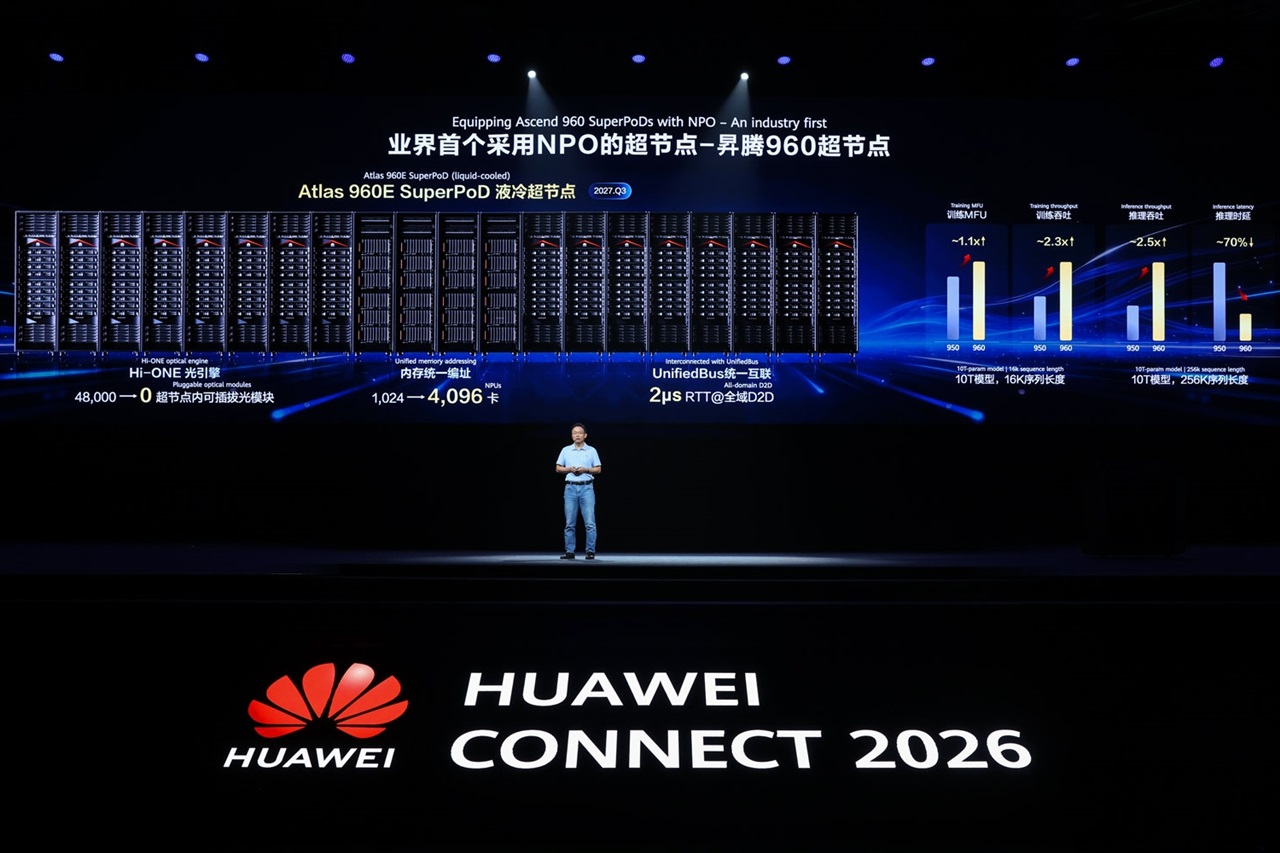
DeepSeek is bringing more of the software it uses to develop its AI models to Huawei Technologies' Ascend 950…
Among respondents at companies with 1,001+ employees, 50.0% said AI is used company-wide, and 46.0% flagged AI…

Oracle invoked "force majeure" to delay payment on its Project Jupiter data center, and its 2056 bonds then tr…

McDonald’s is increasingly using AI to guide menu prices in the U.S

OpenAI launched Dots — agents on GPT-6 Astra, each running on its own cloud computer and connecting to 4,000+…