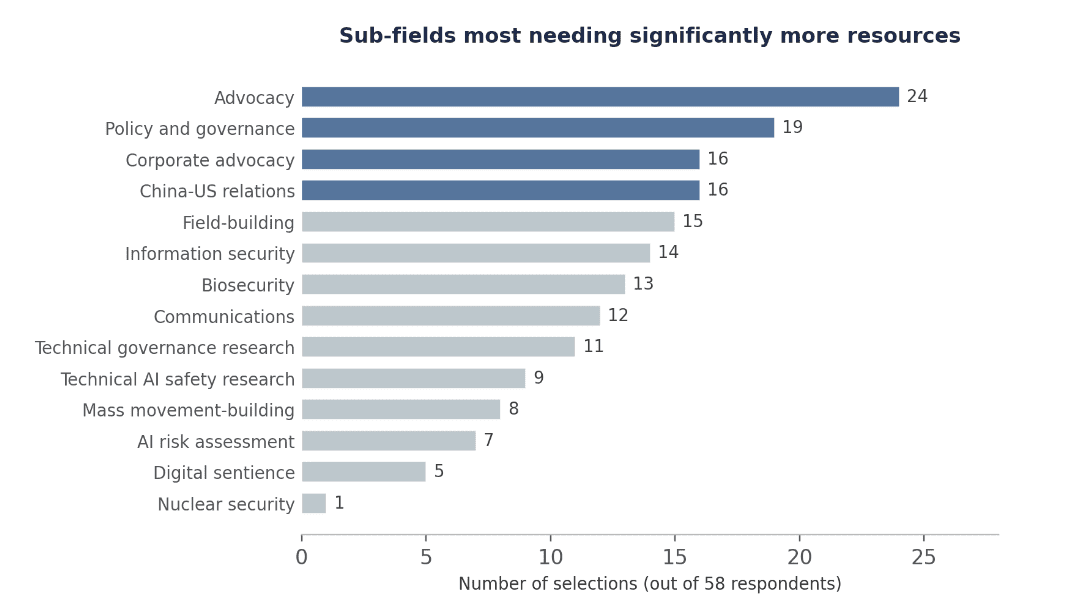
An AI safety researcher argues that the field has sufficient knowledge to address catastrophic risks, but awareness among policymakers remains critically low—with an estimated majority of the top ~100–1,000 most influential policymakers worldwide never having had a serious conversation about the issue.
Summaries like this, in your inbox every morning.
Pick your industry and the AI tools you use, and get news related to your work every day.
Free · 30 seconds with Google · unsubscribe anytimeWhat is AIToday? →
Ask AI anything about this article. The AI reads this article, earlier AIToday articles, and Wikipedia, and cites its sources. Q&As are published on this page for other readers too.
Citi has become the latest US bank to restrict AI agents from accessing accounts, per the Financial Times

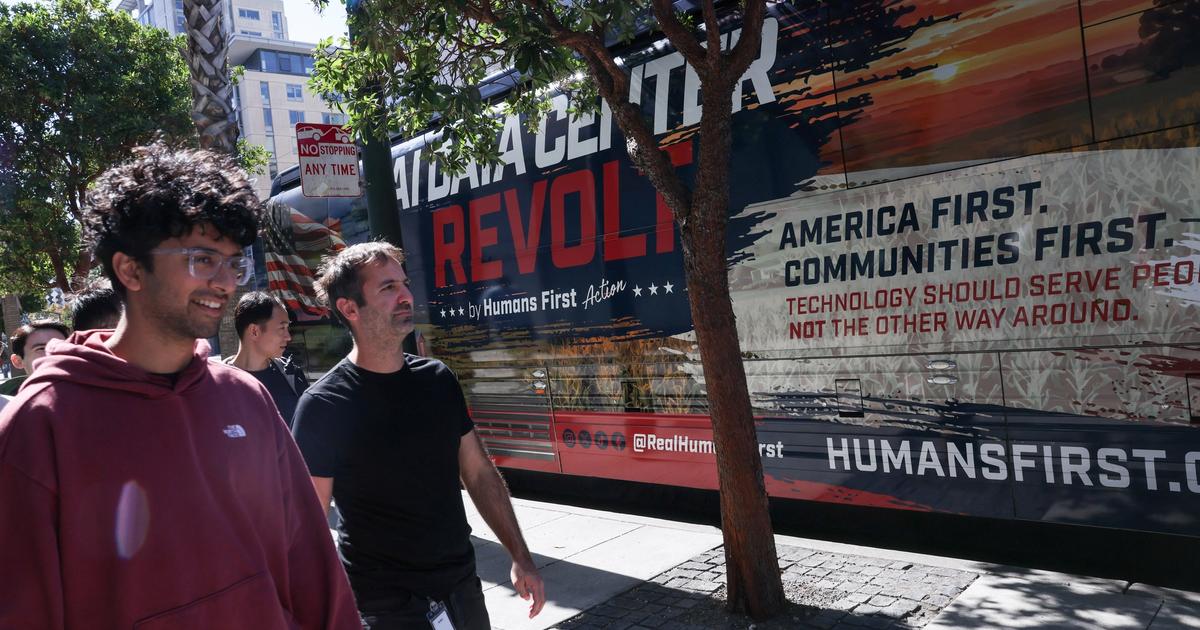
Humans First released an "America First AI Policy" platform on Friday, proposing tighter export controls on Ch…
Germany's government will unveil an AI agreement with Nvidia next week, according to government sources cited…

Charles Schwab CEO Rick Wurster said an AI agent should trade for you only if you set the rules and oversee th…
Palo Alto Networks launched Prisma AIRS updates that integrate runtime protection into Claude Enterprise via i…

Dell leads day 1 of the AI Cybersecurity and Resilience Summit on Oct