What happened
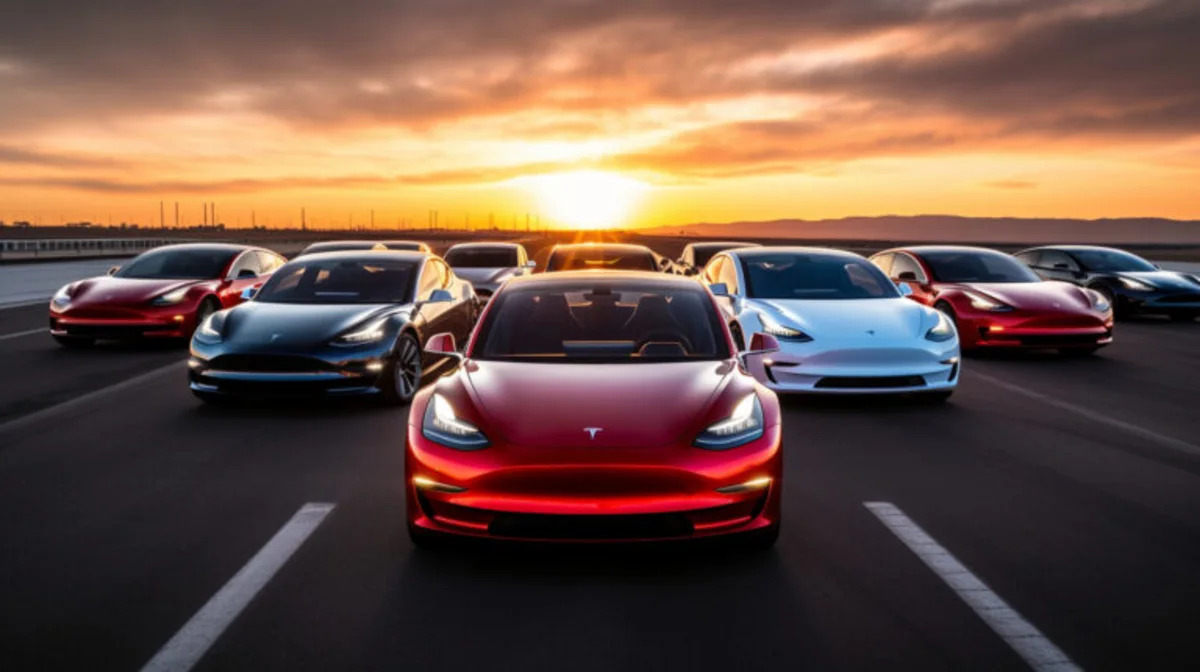
Tesla achieved record Q2 2026 deliveries and exited the quarter with its largest order backlog since 2023, with Full Self-Driving (FSD) becoming a primary driver of customer demand. Robotaxi operations expanded to seven U.S. markets including Texas, Florida, and the San Francisco Bay Area, with autonomous miles driven increasing by more than 10% each week. Optimus production remains on track to begin, though management noted it will scale gradually.
Why it matters
Rowan Street Capital highlighted Tesla in its Q2 2026 investor letter as a company making progress on long-term initiatives that extend far beyond traditional vehicle sales. The shift toward FSD and autonomous robotaxi services—where customers are now "buying Full Self-Driving with a car attached" rather than simply purchasing a vehicle—signals a fundamental reorientation of Tesla's revenue model toward software and AI services.
What to watch
Management emphasized that robotaxi expansion pace is dictated by safety, not demand, and that Optimus manufacturing will scale gradually given its complexity. On July 31, 2026, Tesla closed at $311.21 per share, reflecting a market capitalization of $1.23 trillion, though the stock posted a one-month return of -25.86%.
Summaries like this, in your inbox every morning.
Rowan Street Capital's Q2 2026 investor letter frames Tesla as a company in transition, where long-term business fundamentals—record Q2 deliveries, the largest order backlog since 2023, and supply-side production constraints—diverge sharply from short-term stock performance. The fund notes that this divergence between business health and share price is typical in long-term investing, and emphasizes that business performance ultimately drives investment returns over time.
The letter highlights Tesla's strategic pivot toward AI and autonomy as the core driver of future value. Full Self-Driving adoption has become so central to customer purchasing decisions that the traditional auto sales model is inverting: rather than FSD being an add-on, the vehicle itself is becoming secondary to the software product. Robotaxi expansion, growing by more than 10% in autonomous miles weekly across seven markets, and Optimus production represent distinct revenue streams beyond traditional automotive sales. Management's explicit note that expansion pace is constrained by safety, not demand, suggests confidence in market appetite while underscoring the regulatory and technical hurdles remaining.
Pick your industry and the AI tools you use, and get news related to your work every day.
Free · 30 seconds with Google · unsubscribe anytimeWhat is AIToday? →
Ask AI anything about this article. The AI reads this article, earlier AIToday articles, and Wikipedia, and cites its sources. Q&As are published on this page for other readers too.
In Q2, billionaires or their funds sold six 'Magnificent Seven' AI stocks
Nvidia was rising early Friday, even as the wider chip sector kept falling, Barron's reported
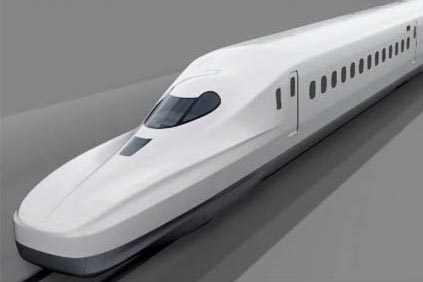
JR Central announced the S0系 on October 16, its first full model change since the N700S, with commercial servi…
TSMC reported about NT$763.1b in Q3 net profit and confirmed that demand for advanced processors is running ah…
Nvidia-backed CoreWeave steadied Thursday after a sharp slump, as investors worried about the debt financing b…
CoreWeave, a fast-growing Nvidia-backed cloud provider, saw its stock and bond prices fall sharply in a sell-o…