What happened
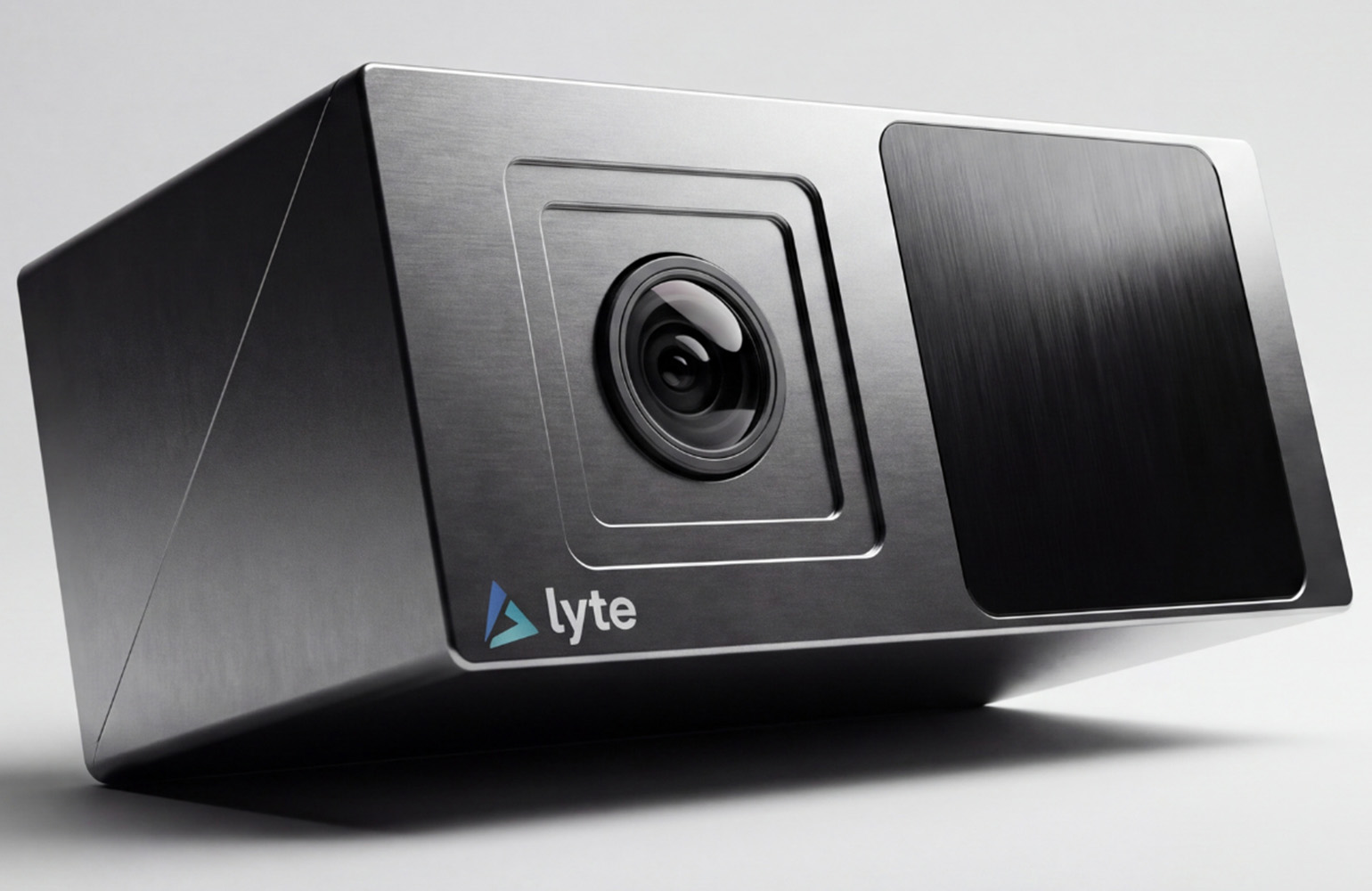
Lyte AI Inc. raised $165 million in Series C funding, valuing the physical AI company at $1.6 billion post-money. The round was led by Maverick Silicon, with participation from Fidelity Management & Research Company and others.
Why it matters
The company builds processors, sensors, and software that help robots sense their surroundings. CEO Alexander Shpunt says robots cannot act safely without data that faithfully describes the world, and this funding will scale LyteVision into more robots and environments.
What to watch
Lyte plans to scale production of its sensing silicon and LyteVision platform, expand deployments with robotics and industrial customers, and grow its team substantially. The company also expects to hire across multiple functions, including senior leadership.
Summaries like this, in your inbox every morning.
Lyte's $165 million Series C round marks a significant step for the company, which emerged from stealth earlier this year. The funding will help scale production of its sensing silicon and LyteVision platform, addressing what CEO Alexander Shpunt describes as a sensing problem in physical AI. By owning the stack from transistors up, Lyte aims to provide robots with reliable data for safe operation.
The company has already entered production and is shipping to customers in inspection, logistics, and manufacturing. Its LyteVision platform's recognition as a CES 2026 "Best of Innovation in Robotics" underscores its potential. Lyte's chairman, Avigdor Willenz, suggests that owning silicon separates companies that define a category from those that participate in one.
With plans to expand deployments and grow its team substantially, Lyte is positioning itself as a foundational player in robotics. The participation of investors like Maverick Silicon and Fidelity, which also led the Series B, signals confidence in the company's approach. Observers will likely watch how Lyte scales its deployments and whether its technology becomes a standard in the robotics industry.
Pick your industry and the AI tools you use, and get news related to your work every day.
Free · 30 seconds with Google · unsubscribe anytimeWhat is AIToday? →
Ask AI anything about this article. The AI reads this article, earlier AIToday articles, and Wikipedia, and cites its sources. Q&As are published on this page for other readers too.
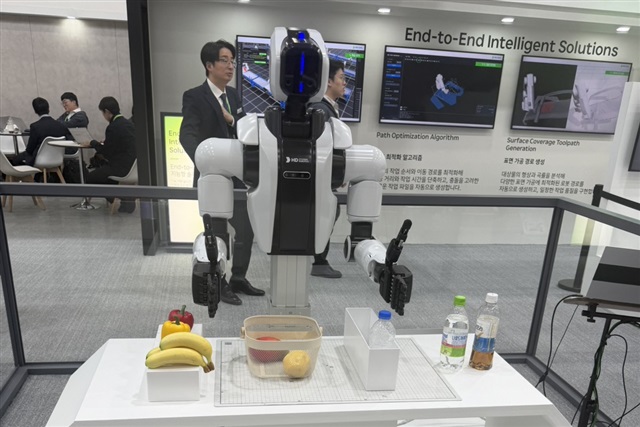
HD Hyundai Robotics unveiled a dual-arm robot under development at FIX 2026 in Daegu, South Korea, on October…
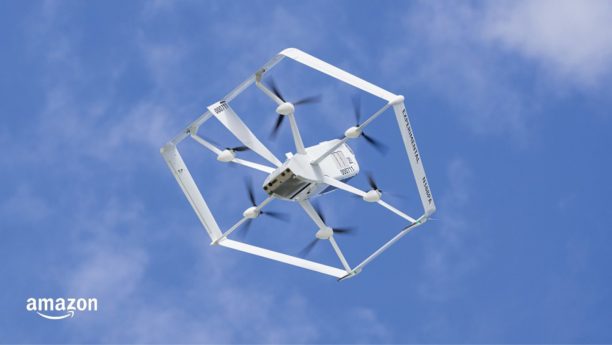
Northglenn, Colorado, advanced a land-use ordinance on October 12 that would confine drone delivery hubs to in…
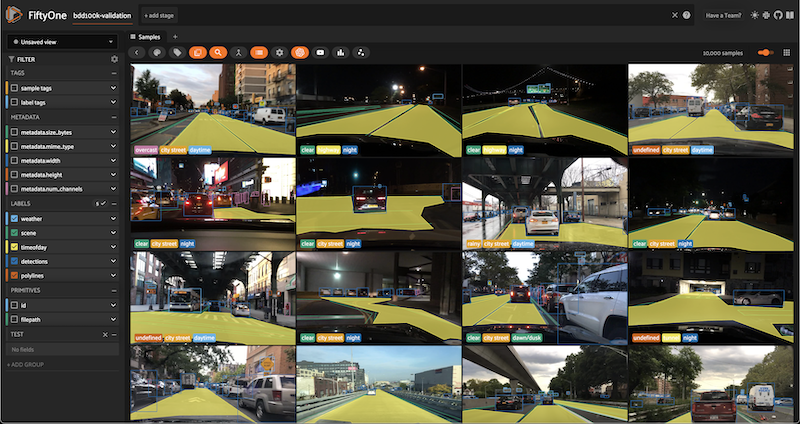
Voxel51 released version 3.0 of its robotics data platform, including Voxel51 Agent, which performs tasks like…
At DMP's "Physical AI: The Frontline of Intelligence" event in Tokyo on Oct 21, ideaForge CEO Ankit Mehta said…
T2 built and deployed automated departure/arrival tech for autonomous trucks to travel from hubs via general r…

Amulya Vishwanath, founder of Techable Ventures, said physical AI is in a "LEGO era" — basic components like r…