
What happened
Alex Smola, former distinguished scientist at Amazon, founded Boson AI to release Higgs RealTime, a speech-to-speech model designed to be significantly cheaper than competitors' voice systems. The Santa Clara startup has raised $70 million and counts Chinese entrepreneur Su Hua and Singapore-based Temasek's venture arm among its backers.
Why it matters
Voice AI has become a primary battleground for OpenAI, Meta, and other leaders building full-duplex systems (technology enabling natural back-and-forth conversation where users can interrupt mid-sentence). Boson claims its models cost one-tenth as much as rivals, potentially reshaping the economics of deploying voice agents for customer support, sales, and other enterprise applications. Smola is targeting finance, telecommunications, healthcare, and insurance clients.
What to watch
Boson faces well-funded rivals—Microsoft recently announced a new voice model iteration, OpenAI has launched GPT-Live (a family of full-duplex audio models), and Meta released Muse Spark optimized for voice across wearables. The key technical hurdle remains latency; while one-second delays are acceptable in text chat, they feel disruptive in spoken conversation.
Summaries like this, in your inbox every morning.
Voice AI has emerged as the next major frontier in conversational AI, moving beyond text-only interfaces into multimodal systems that combine audio, vision, and reasoning. OpenAI CEO Sam Altman recently noted that the company's new voice model "really crossed a threshold," signaling that the technology has matured enough to drive meaningful shifts in human-machine interaction. This has prompted intensive competition: OpenAI released GPT-Live, Meta launched Muse Spark, and Microsoft announced a new voice iteration, with each company positioning its offering differently—Microsoft around workplace productivity, OpenAI as a default for app developers, and Meta for hardware integration across wearables.
Smola's differentiator is cost and control. By offering a full-stack architecture that allows enterprise customers to run systems within their own data centers and train custom models from scratch, Boson gives clients direct control over data residency and model execution—a significant advantage for regulated industries like finance and healthcare. At one-tenth the cost of competitors, the startup could disrupt the economics of voice deployment, though building low-latency, emotionally-aware systems that feel natural in conversation remains technically challenging. The broader vision Smola articulates—embodied AI combining reasoning, vision, and voice—suggests voice models are not a standalone product but a component of a larger shift toward multimodal, context-aware agents.
Pick your industry and the AI tools you use, and get news related to your work every day.
Free · 30 seconds with Google · unsubscribe anytimeWhat is AIToday? →
Ask AI anything about this article. The AI reads this article, earlier AIToday articles, and Wikipedia, and cites its sources. Q&As are published on this page for other readers too.
Chunghwa Telecom president Rong-shy Lin said the shift from conversational AI to autonomous AI agents is resha…
CoreWeave fell 5% in premarket trading Friday and was on track to finish the week down 15%, after rebounding f…
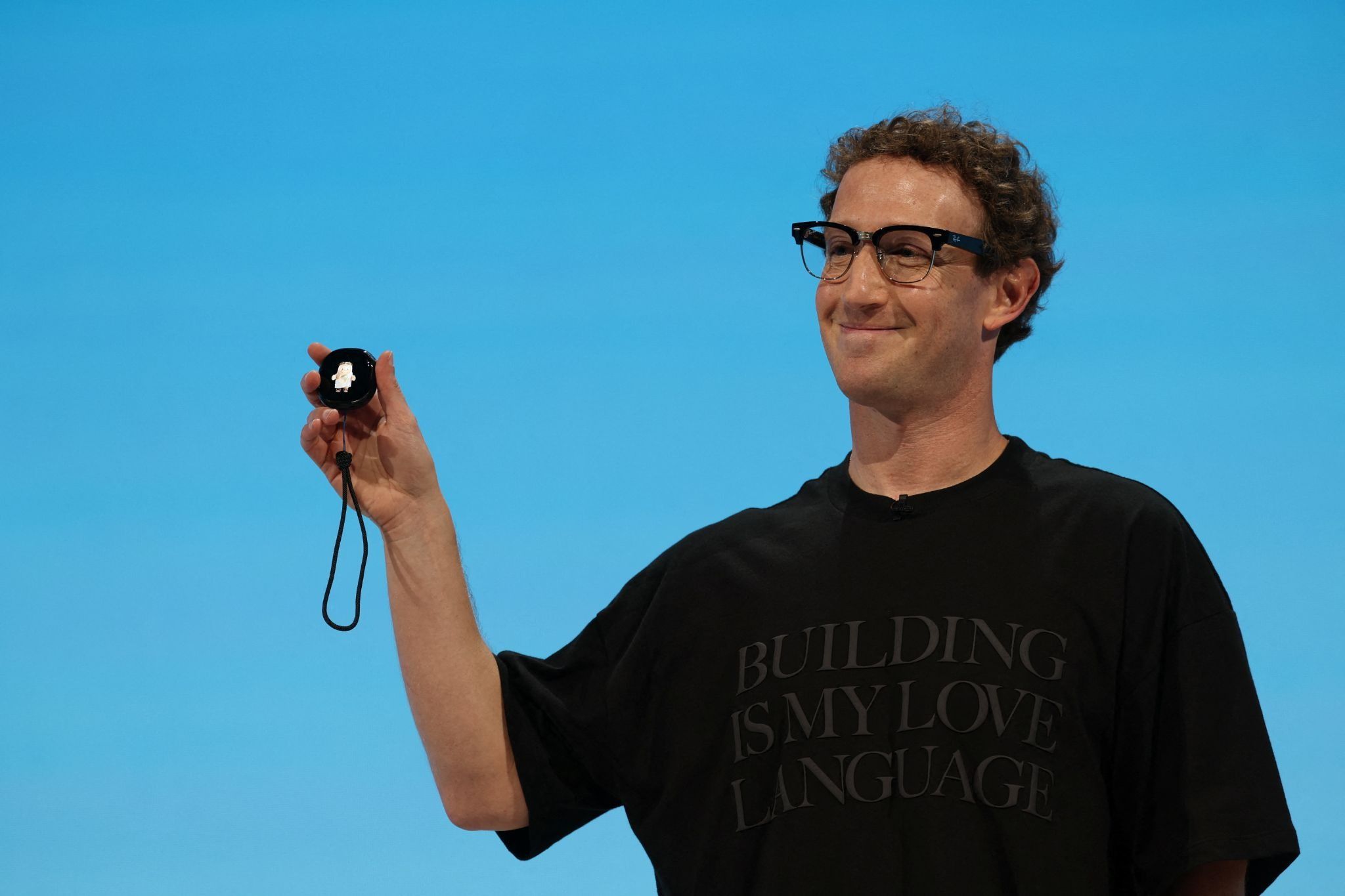
Apple and Meta said they would jointly release a new open-weight AI model designed to run on high-end Macs, ai…
Investors put $38.5 billion into Asian startups in Q3, per Crunchbase data

A longtime Anthropic investor told Fortune he expects shares priced around $1.8 trillion, below the company's…

In Q2, billionaires or their funds sold six 'Magnificent Seven' AI stocks