What happened
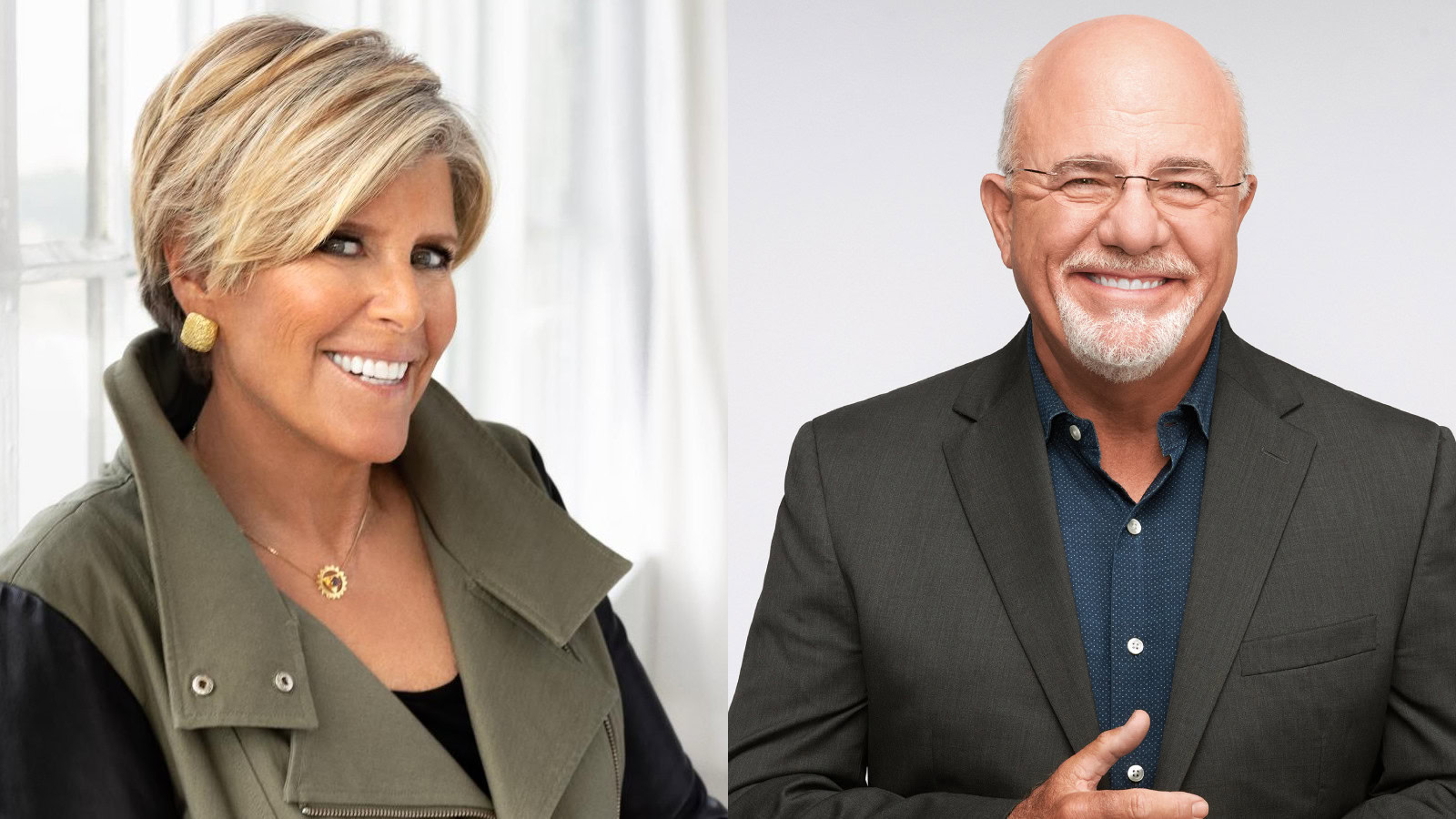
On Thursday's Ramsey Show, Dave Ramsey told 41-year-old disabled veteran Jamal that putting $500,000 of his roughly $1 million settlement into the S&P 500 was 'very conservative and very smart.' Three days earlier, Steve Eisman said '65% of the S&P is basically AI' and that investors who think the index protects them 'are not okay.'
Why it matters
The same fund can be a reasonable long-term holding for someone with lifetime government income and a cash buffer, yet still be a concentrated bet on one theme. If the AI trade breaks, the position Ramsey called conservative is the one that falls.
Summaries like this, every morning.
The clash between Dave Ramsey and Steve Eisman over Jamal's $500,000 S&P 500 investment highlights a disconnect in how 'conservative' is defined. Ramsey's projection that the money doubles every six or seven years to reach $8 million at 69 works on paper, requiring about 10% annual returns—roughly the index's long-run pace. But Eisman's claim that '65% of the S&P is basically AI' reframes the same index as a concentrated bet on one theme, including utilities supplying data centers and banks financing them.
The Vanguard 500 Index Fund ETF held 38% of net assets in information technology at midyear, while Eisman's broader definition adds related sectors. For Jamal, the key variable is whether he ever needs to sell during a downturn. A hypothetical 40% decline would turn $500,000 into $300,000, and getting back to even would take a 67% gain, or about 5.4 years at 10% a year. If he never sells, the loss exists only on paper; if he withdraws $30,000 a year, the same check uses up 10% of the portfolio after the crash, illustrating sequence-of-returns risk.
Jamal's $100,000 money market buffer, yielding about $4,280 a year at a 4.3% one-year Treasury yield, provides some protection without AI exposure. Three moves: measure cash runway, check the fund's real AI share, and run the 40% test. Ultimately, an S&P 500 fund is safe only for money you will never need to sell during a crash.
Pick your industry and the AI tools you use, and get news related to your work every day.
Free · 30 seconds with Google · unsubscribe anytimeWhat is AIToday? →
Ask AI anything about this article. The AI reads this article, earlier AIToday articles, and Wikipedia, and cites its sources. Q&As are published on this page for other readers too.
Jamie Dimon said JPMorgan Chase is "not gonna allow just any" outside AI agent inside the company, warning "Yo…
Hithink RoyalFlush Information Network (valued at about CN¥149.23b) and SSI Securities (about ₫60.6t, 44.4% ne…
Interconnects argues Jensen Huang's resignation from Nvidia removes open models' biggest backer, warning his f…
OpenAI is dissolving its standalone robotics team and folding researchers into the main research team under Ch…
Bitfarms became Keel Infrastructure on April 1, 2026, moving its domicile from Canada to the U.S
A Fortune commentary argues Nvidia became the poster child for corruption in U.S