What happened
Interconnects argues Jensen Huang's resignation from Nvidia removes open models' biggest backer, warning his funding will very likely dry up during the ecosystem's crucial early years.
Why it matters
Without a heavyweight protecting open models, the ecosystem could face sloppy state regulation and its compute advantage remains distant, making it easier to knock over the domino now.
Summaries like this, every morning.
The piece ties Jensen Huang's exit to a broader fragility in the US open model economy, which the author describes as still in its nascency. Open models have latched onto enterprise post-training and 'ownership of intelligence' as a lane, but the true benefit of commoditized intelligence is far from realization while compute remains scarce. Inference startups struggle to get chips because Anthropic and OpenAI buy so much capacity, so there is little margin competition on open-weight models; even DeepSeek's DeepInfer release showed open models are far from commodity. In this environment, closed labs with better scale and integration from model to datacenter and chips are positioned to win. The author adds that talent, not money, is the binding constraint: the best people cluster at Anthropic, OpenAI, DeepMind and Meta, and smaller labs have repeatedly fallen behind Chinese frontier labs despite spending more. The media timing around Huang's affairs is framed as a lesson in narrative cycles, with the author expecting similar pressure to build around open model safety once a hack occurs. The proposed lasting fix is incubating a truly frontier open model player in the US, though the author notes the next round at a $40B valuation for Mira's company is a sign of activity rather than a solution. With Huang gone, the author argues the movement needs soul-searching and coalition building, as potential allies among the hyperscalers — Zuckerberg, Andy Jassy or Satya Nadella — have yet to pick up the mantle.
Pick your industry and the AI tools you use, and get news related to your work every day.
Free · 30 seconds with Google · unsubscribe anytimeWhat is AIToday? →
Ask AI anything about this article. The AI reads this article, earlier AIToday articles, and Wikipedia, and cites its sources. Q&As are published on this page for other readers too.
Gemtek Technology returned to operating profitability in the third quarter of 2026, with margins improved and…
SentinelOne averaged 21% revenue growth over the last three years versus -2% for C3.ai; its 12-month revenue w…

SpaceX announced roughly $24 billion for an AI supercomputing center at Starbase, Texas, and about $50 billion…

The FAA halted all departing US flights on Friday, three days after its SMART AI tool reached all 22 regional…

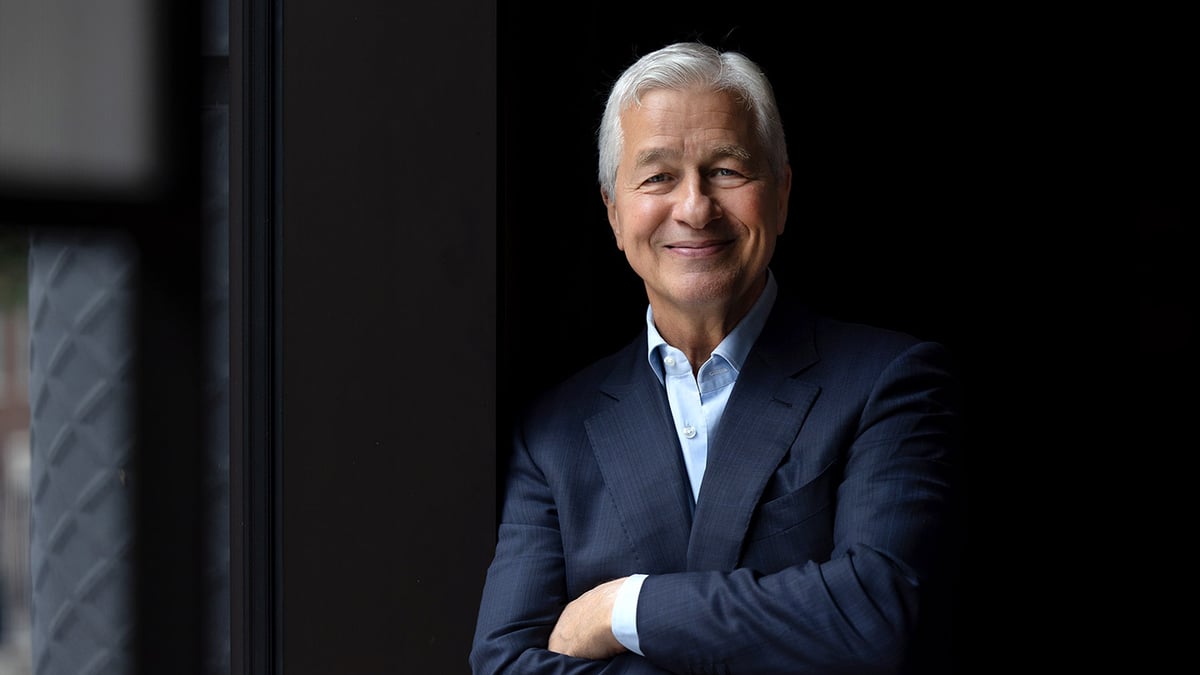
Jamie Dimon said JPMorgan Chase is "not gonna allow just any" outside AI agent inside the company, warning "Yo…
Hithink RoyalFlush Information Network (valued at about CN¥149.23b) and SSI Securities (about ₫60.6t, 44.4% ne…