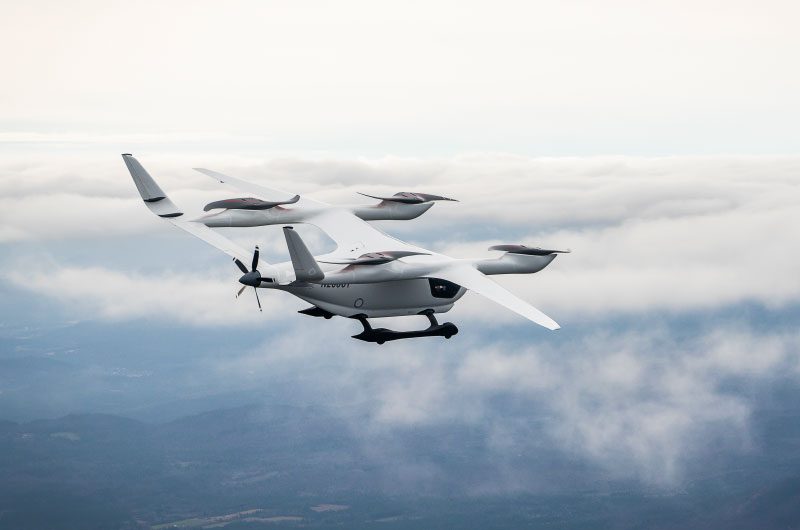
BETA Technologies is advancing electric aircraft for commercial use by focusing on practical missions like cargo and medical transport rather than passenger air taxis.
Speaking at the Korea Drone and UAM Expo, the company outlined its strategy combining two electric aircraft platforms, multimodal charging infrastructure, and pilot training; it has flown over 300,000 kilometers and plans to deploy 20 aircraft in Korea.
The company argues that lower maintenance costs (about one-third of combustion engines), zero emissions, and quieter operations make electric aviation economically viable and more acceptable to communities.
What happened
BETA Technologies, founded in 2017, presented its electric aviation strategy at the Korea Drone and UAM Expo, highlighting two aircraft platforms (ALIA CTOL for conventional takeoff and landing, ALIA VTOL for vertical takeoff and landing) and plans to deploy 20 aircraft in Korea with UI Helicopter and Skyports Infrastructure. The company has flown more than 300,000 kilometers and operates approximately 60 charging sites, with plans to more than double that network next year.
Why it matters
BETA argues that electric aircraft can succeed economically by targeting practical missions (cargo, medical transport, defense, remote services) rather than passenger networks. Electric engines have maintenance costs about one-third those of combustion engines, offer lower energy costs, and operate with zero emissions and lower noise—advantages that could help aircraft serve rural and isolated areas and earn public acceptance.
What to watch
BETA's Korea deployment with UI Helicopter and Skyports Infrastructure will demonstrate whether electric aviation can operate "really happening at scale" beyond early demonstrations, supported by FAA-backed organ transport, postal deliveries in Scotland, and flights in Japan.
Ask the AI about this article →
Summaries like this, in your inbox every morning.
BETA Technologies is reframing the advanced air mobility conversation away from consumer passenger drones toward near-term commercial viability. Rather than betting on large urban passenger networks—the vision that has dominated industry discussion—the company is targeting cargo, medical transport, defense, and remote-area services where the operational advantages of electric aircraft matter most. Buckles emphasized that practical economics drive BETA's strategy: lower energy costs, reduced maintenance burden, and simpler powertrains improve reliability. These factors align with missions where cost-effectiveness and dependability are already valued over speed or passenger capacity.
The company's infrastructure play—building a network of charging stations that serve both electric aircraft and ground vehicles—suggests a deliberate path to scale. By demonstrating demand for charging capacity through ground vehicle use, BETA can establish the physical foundation for aviation operations before they reach critical mass. The real-world programs Buckles cited (FAA organ transport, Scottish postal deliveries, Japanese demonstration flights) indicate that regulators and operators are moving beyond concept testing; the Korea deployment of 20 aircraft with UI Helicopter and Skyports Infrastructure is positioned as proof that electric aviation can operate commercially at meaningful scale. This approach reduces the risk profile compared to betting solely on passenger networks, which remain far from regulatory approval and depend on solving urban air traffic, noise, and safety challenges simultaneously.
For example, today's edition would include:
AI-summarized, only the topics you pick — one digest a day via Email, Slack, or Discord.
Free · 30 seconds with Google · unsubscribe anytimeWhat is AIToday? →
Ask AI anything about this article. Q&As are published on this page for other readers too.
In January, Ukraine's defense ministry said it would share millions of data points from tens of thousands of d…

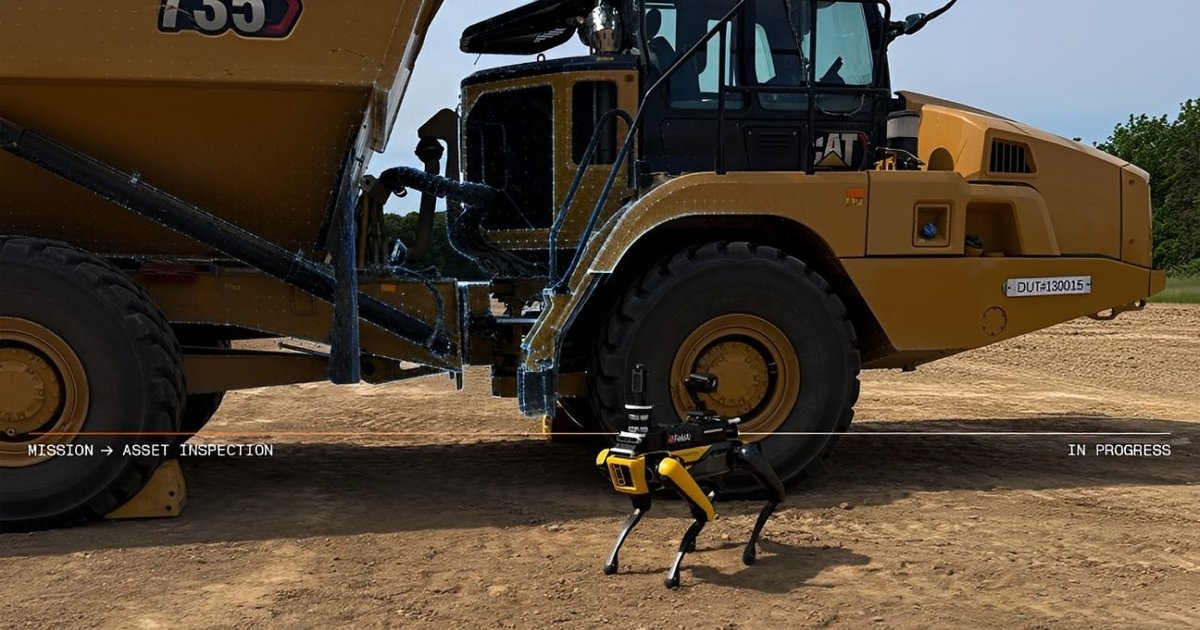
Caterpillar has entered a collaboration with FieldAI to advance physical AI, autonomy, and robotics on jobsite…
Lockheed Martin introduced a new initiative focused on intelligence, prediction, and decision-making for auton…

Aptiv announced support for NVIDIA Jetson Orin Nano 2, extending its edge AI collaboration for drones, robotic…

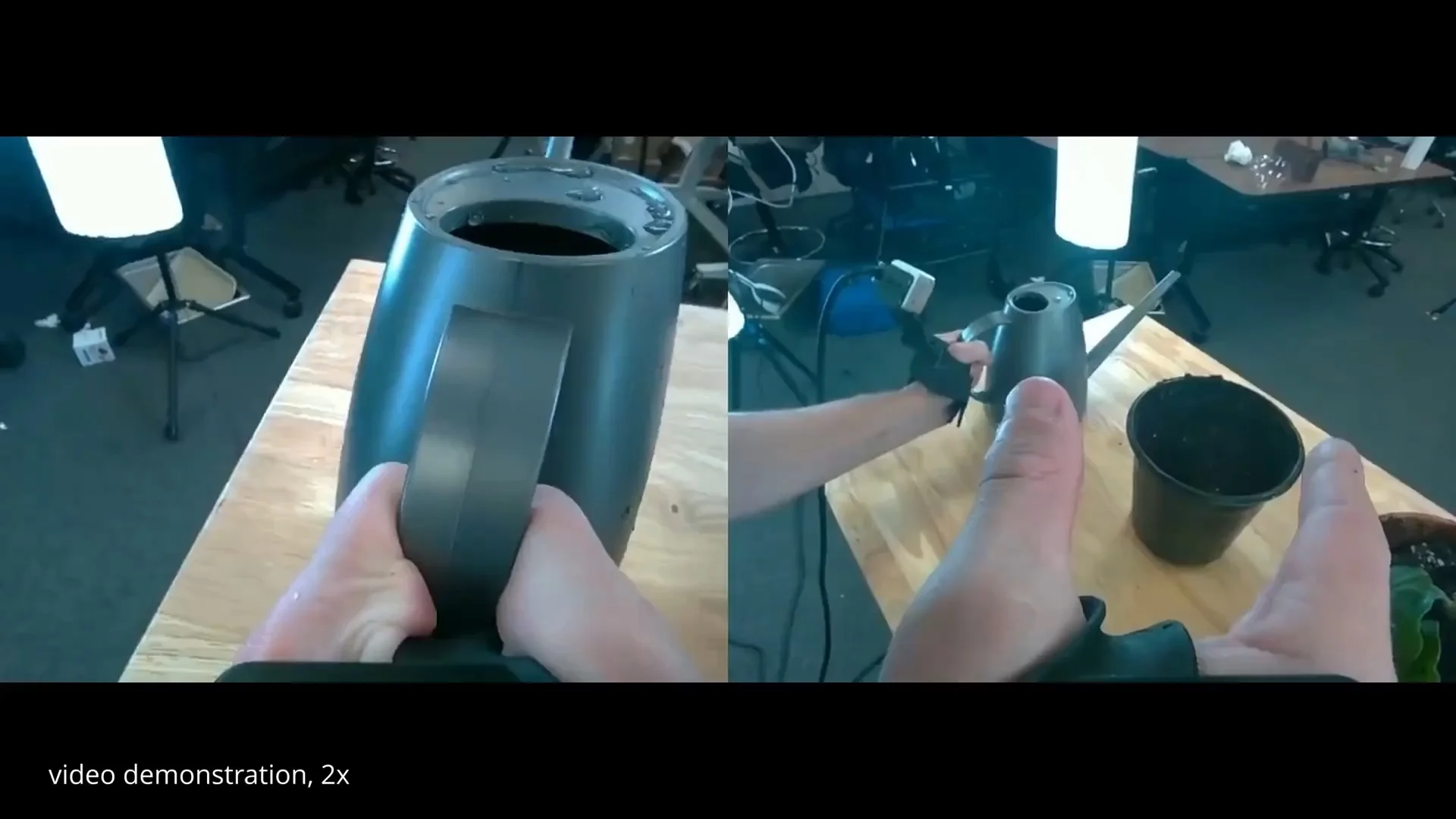
Skild AI says its S1 robot foundation model can watch a human demonstrate an unfamiliar job once, then attempt…
OpenAI CEO Sam Altman said in an August 26 TIME interview that OpenAI would “definitely” make humanoid robots