What happened
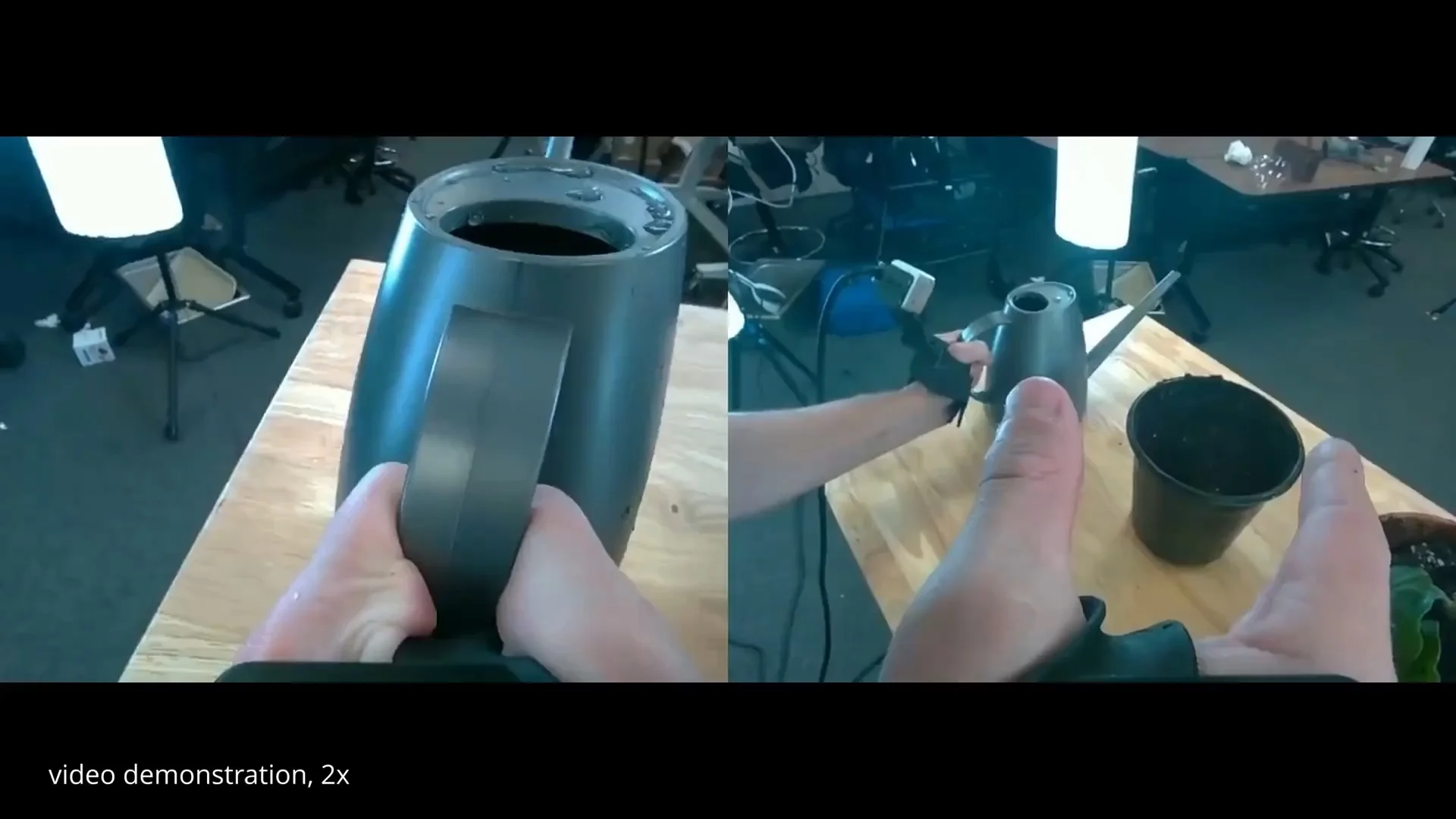
Skild AI says its S1 robot foundation model can watch a human demonstrate an unfamiliar job once, then attempt it on a robot without updating model weights. Examples include potting a plant and flipping pancakes, with tasks lasting up to ten minutes.
Why it matters
Skild estimates that matching S1's single-video performance through additional training would take about 380 teleoperated demonstrations, equivalent to 50–100 hours. This suggests teams could spend less time assembling an initial task dataset and begin evaluating robots sooner, though actual deployment savings remain unmeasured.
What to watch
In Skild's controlled comparison at 100,000 hours of pretraining, demonstration prompting scored 66%, compared with 9% for language prompting. However, the score averages cumulative success across task steps and includes human recovery interventions, leaving unresolved how often a robot completes an entire job without assistance.
Summaries like this, in your inbox every morning.
Skild introduced S1 on August 18, with the announcement appearing in The Rundown's September 3 newsletter. The core idea is to apply a heavily pretrained foundation model (100,000 hours of pretraining) to new extended tasks by supplying a video as an input prompt, rather than updating weights. This positions S1 as a test of rapid adaptation for multi-step jobs that can take up to ten minutes.
The company's controlled comparison gives scale to the potential savings: one video prompt delivered performance that would otherwise require roughly 380 teleoperated demonstrations (50–100 hours). However, Skild's metric averages success across steps and includes human recovery interventions, meaning full-job completion rates without assistance remain unclear. A practical workflow may involve demonstrating a task, assessing performance, then collecting targeted additional data where reliability falls short.
Generalist offers a related example, reporting 59% average success across ten simple, short tasks from one 3–12 second demonstration without weight updates, and 83% after ten gradient steps with five minutes of task data. Skild's larger demonstration collection also exceeded its single-video score. This suggests hybrid approaches — initial video prompting followed by focused training — could balance speed and reliability, though how well these methods generalize across new environments and hardware remains an open question.
Pick your industry and the AI tools you use, and get news related to your work every day.
Free · 30 seconds with Google · unsubscribe anytimeWhat is AIToday? →
Ask AI anything about this article. The AI reads this article, earlier AIToday articles, and Wikipedia, and cites its sources. Q&As are published on this page for other readers too.
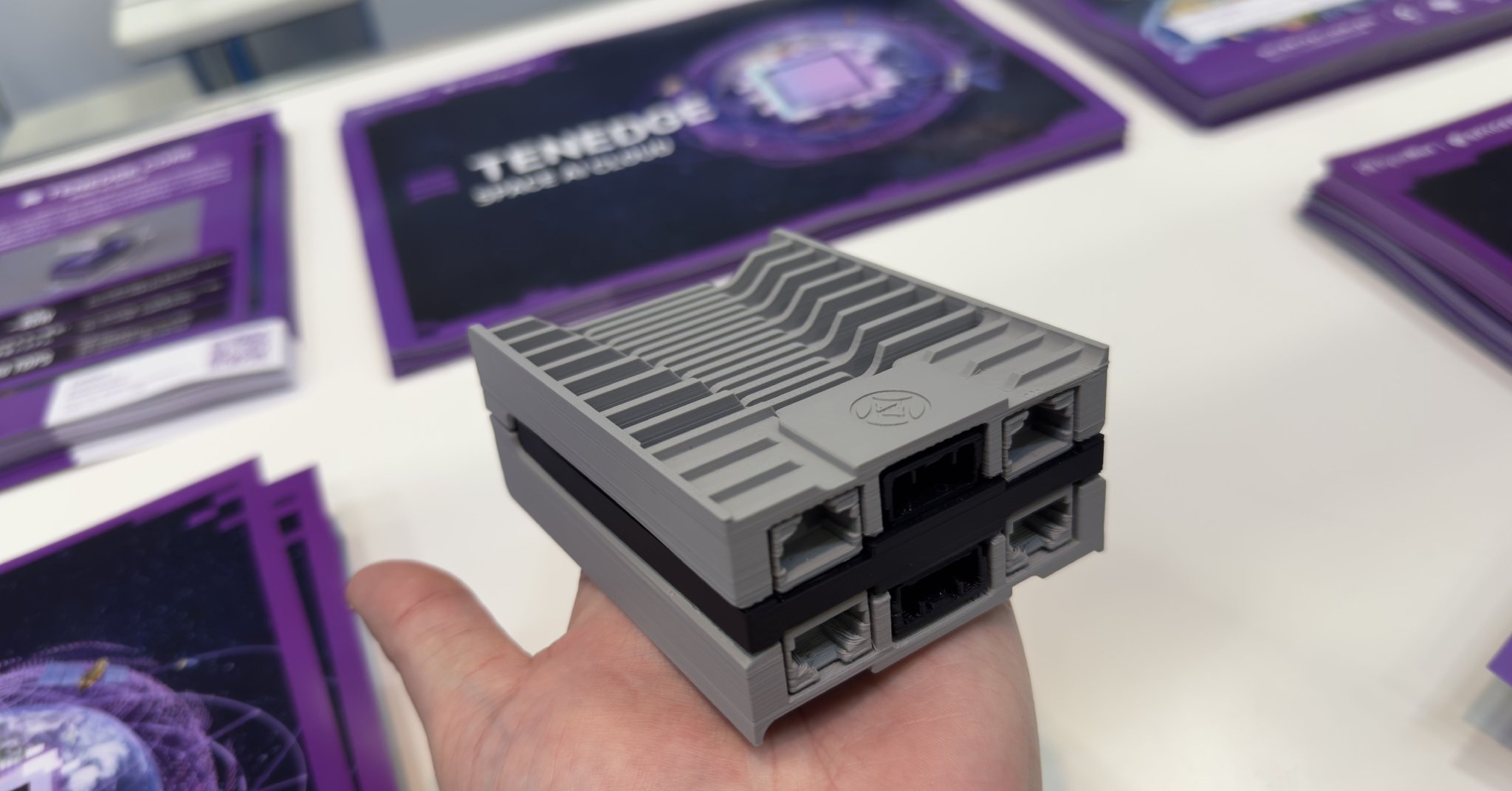
SpaceBlast, a Tokyo-based space startup, showed TENEDGE CORE — a palm-sized computer rated at about 60TOPS — a…
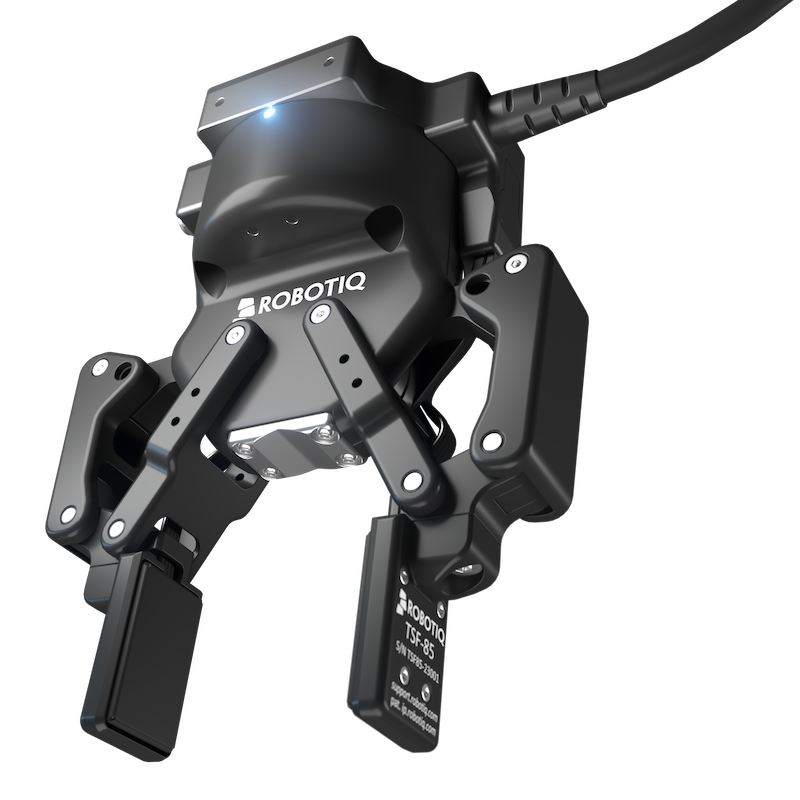
Robotiq launched the 2FC, an adaptive gripper with tactile sensing, wrist-mounted compute (the AI Hub) and Con…
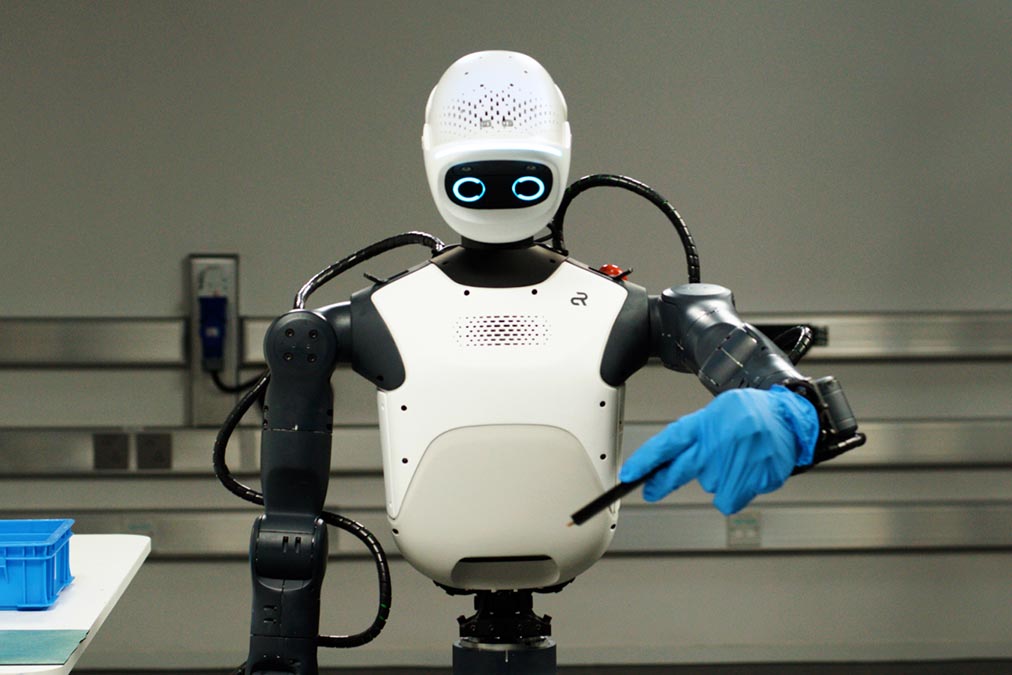
At GTC Berlin, NVIDIA expanded its Isaac robotics platform with humanoid reference platforms, datasets and a n…
Bear Robotics, LG Electronics' robotics subsidiary, is adding Chinese manufacturers to its South Korean outsou…
Tesla reported third-quarter capital expenditures of $4.73 billion, short of the $7.95 billion analysts expect…

Tesla's third quarter showed its vehicle business regaining some per-car profitability, even as total sales st…