What happened
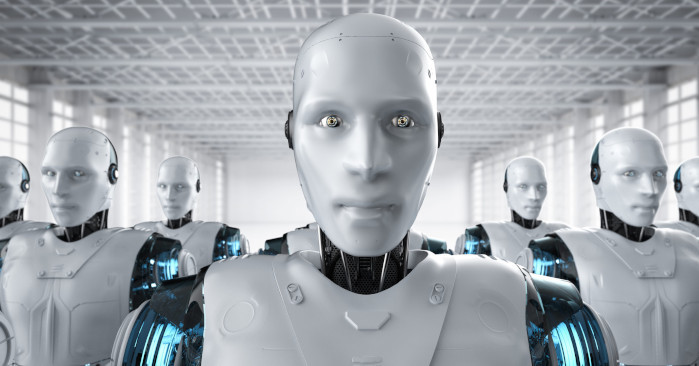
Isao Sukebara of SUGENA said at an October 29, 2026 online seminar that Chinese makers accounted for over 97% of global humanoid robot shipments in the first half of 2026, driven by five factors: EV supply-chain spillover, labor shortages, real-estate downturn, physical AI, and overseas expansion.
Why it matters
A government signal turns into guaranteed demand — ‘if the state says it, state-owned enterprises buy first, and that spreads to local governments’ — which is why a head start can lock in orders rather than stay a lab project, according to Sukebara.
Summaries like this, every morning.
China's humanoid push is not a sudden bet but a redirection of capacity already built for EVs. Sukebara points out that EV volume matured motor, battery, and magnet supply chains, along with the engineers who run them, and that as EV competition and oversupply intensified, robotics became the next destination for that base.
The policy layer then does the commercial work. Since 2023, Beijing has issued development guidelines and placed ‘embodied intelligence’ among future industries in the 15th Five-Year Plan, but Sukebara notes startups were already moving first and the state formalized support afterward; the effect is to concentrate capital and create buyers, with state-owned enterprises expected to purchase early and local governments to follow.
That reading recasts Japan's history. WABOT-1 at Waseda in 1973 and Honda's ASIMO in 2000 were genuine firsts, yet SCHAFT, the University of Tokyo spin-off, was bought by Google in 2013 and closed in 2018. Sukebara's diagnosis — no first buyer and no sustained funding — suggests the missing piece was deployment, not invention.
Pick your industry and the AI tools you use, and get news related to your work every day.
Free · 30 seconds with Google · unsubscribe anytimeWhat is AIToday? →
Ask AI anything about this article. The AI reads this article, earlier AIToday articles, and Wikipedia, and cites its sources. Q&As are published on this page for other readers too.
SkyeBrowse updated its 3D mapping platform with "Realistic 3D," which the company says processes video three t…
The FCC voted November 19 to adopt rules covering the 450 MHz band for aviation communications, the 24 GHz ban…
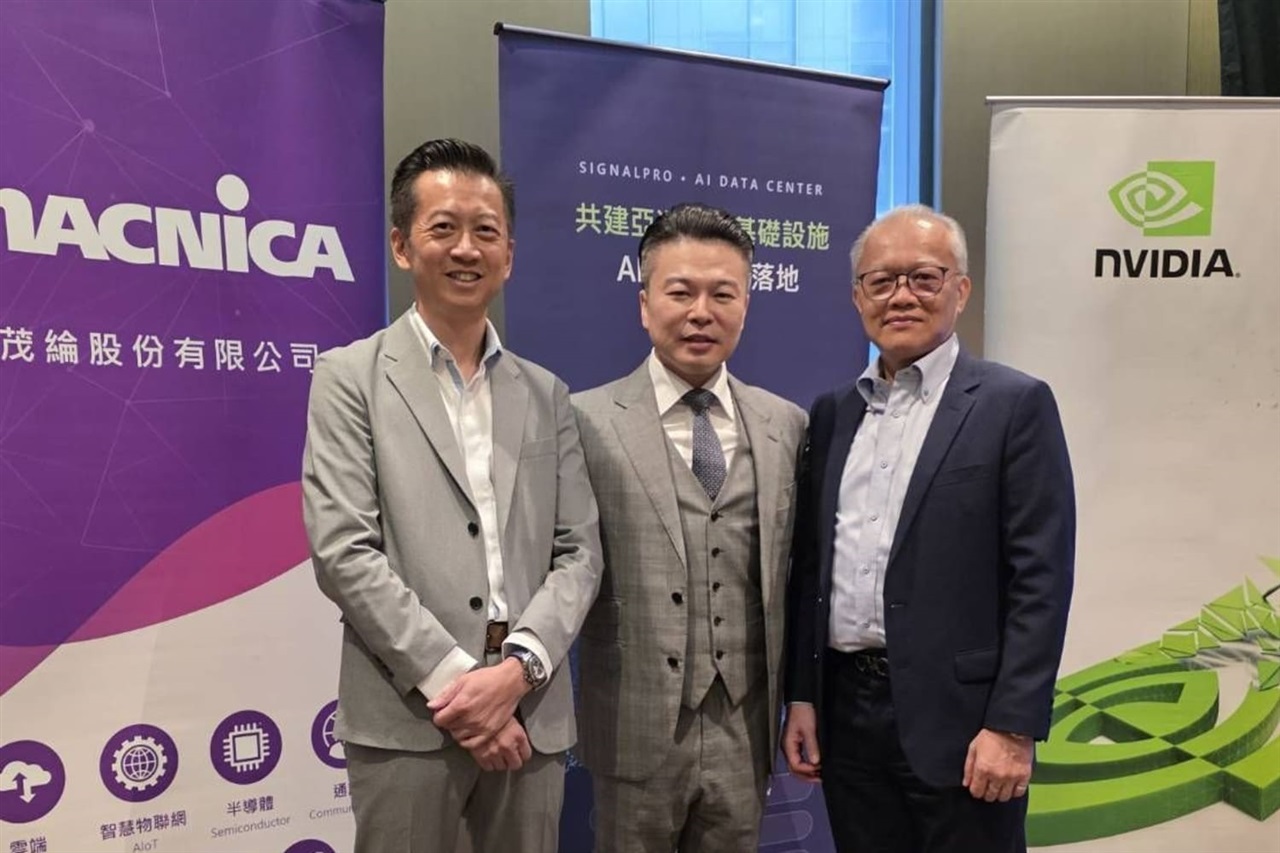
Nvidia, Macnica Galaxy and SignalPro joined forces with Epson hardware to showcase an end-to-end ecosystem spa…
SoftBank is pursuing a "physical AI" strategy that aims to generate revenue from robots built by other compani…
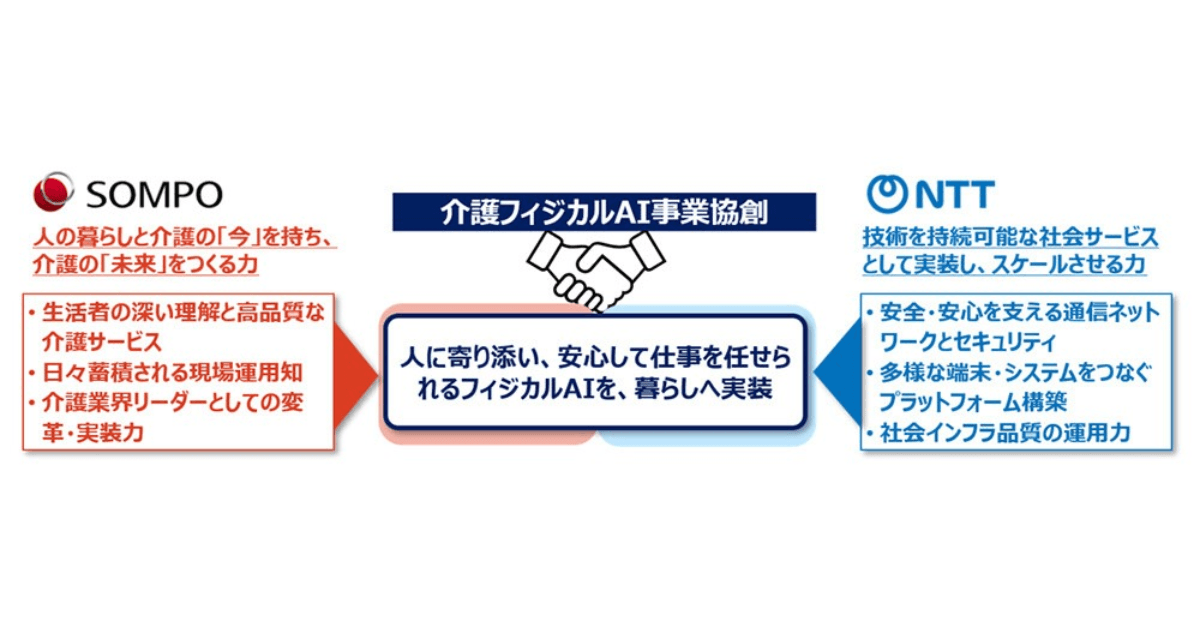
SOMPO Holdings and NTT concluded an agreement aimed at the social implementation of 'physical AI' in the nursi…
SoftBank is building a physical AI business model designed to generate revenue even when robots made by other…