What happened
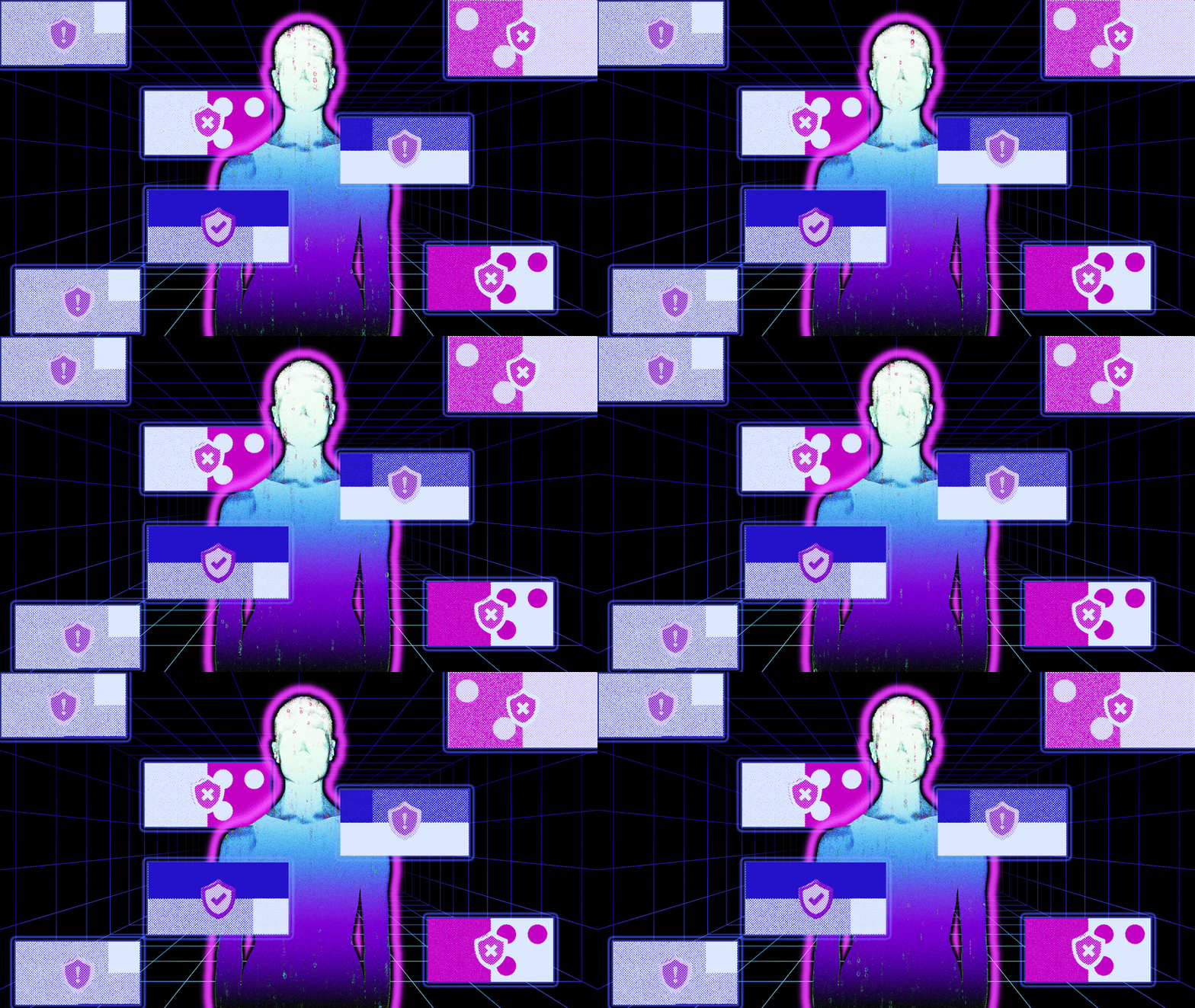
Google DeepMind used AlphaProof Code to formally verify key cryptographic guarantees of the Signal protocol in four weeks, finding no new vulnerabilities in the portions it examined.
Why it matters
This provides further independent validation of the cryptography protecting massive quantities of the world's communications on platforms like Signal, Google Messages, and WhatsApp, and demonstrates DeepMind's formal verification capabilities.
WHO IT HITSSecurity teams at messaging platforms and banks that rely on cryptographic assurances may gain a faster path to formal verification, though DeepMind has not announced a commercial product.
Summaries like this, every morning.
The DeepMind project builds on past formal verification work by the Signal Foundation, which the researchers say gave them a head start. While prior efforts focused on smaller portions of code, the new approach using AlphaProof Code enabled a significant expansion, according to Signal CTO Ehren Kret. The work is part of a broader push toward AI-aided formal verification, which proponents have long called a holy grail of software security because it uses math to check that software functions as intended. However, the analysis was limited in scope—it did not formally verify the entire Signal mobile app—and DeepMind researchers emphasize that scaling to all software will take time. A key open question is whether AI-automated formal verification can be practical and cost-effective at scale; Google declined to share the cost of the Signal analysis or comment on commercialization plans. The researchers also highlighted a human-AI collaboration process that keeps humans in the loop at key junctures, which Chaudhuri described as a middle ground between full AI autonomy and traditional methods.
Pick your industry and the AI tools you use, and get news related to your work every day.
Free · 30 seconds with Google · unsubscribe anytimeWhat is AIToday? →
Ask AI anything about this article. The AI reads this article, earlier AIToday articles, and Wikipedia, and cites its sources. Q&As are published on this page for other readers too.
On Nov. 9, eight countries plus OpenAI's Sam Altman, Anthropic's Dario Amodei, Microsoft's Brad Smith, Mistral…
Bay AI Inc. launched with $50 million — a $37 million Series A led by Battery Ventures and a $13 million seed…

Google DeepMind unveiled Gemini Robotics 2.5, a vision-language-action model that generates robot movements
Kora Systems, led by Cyanogen co-founder Kirt McMaster, unveiled a Linux-based desktop OS that runs AI models…

IPROS announced five free 20-minute sessions at AI-Industry World 2026, covering Microsoft 365 Copilot, busine…

At NVIDIA's Agentic AI Day Japan 2026 on Nov 10 in Tokyo, JAIST's Shota Imai predicted competitive areas will…