What happened
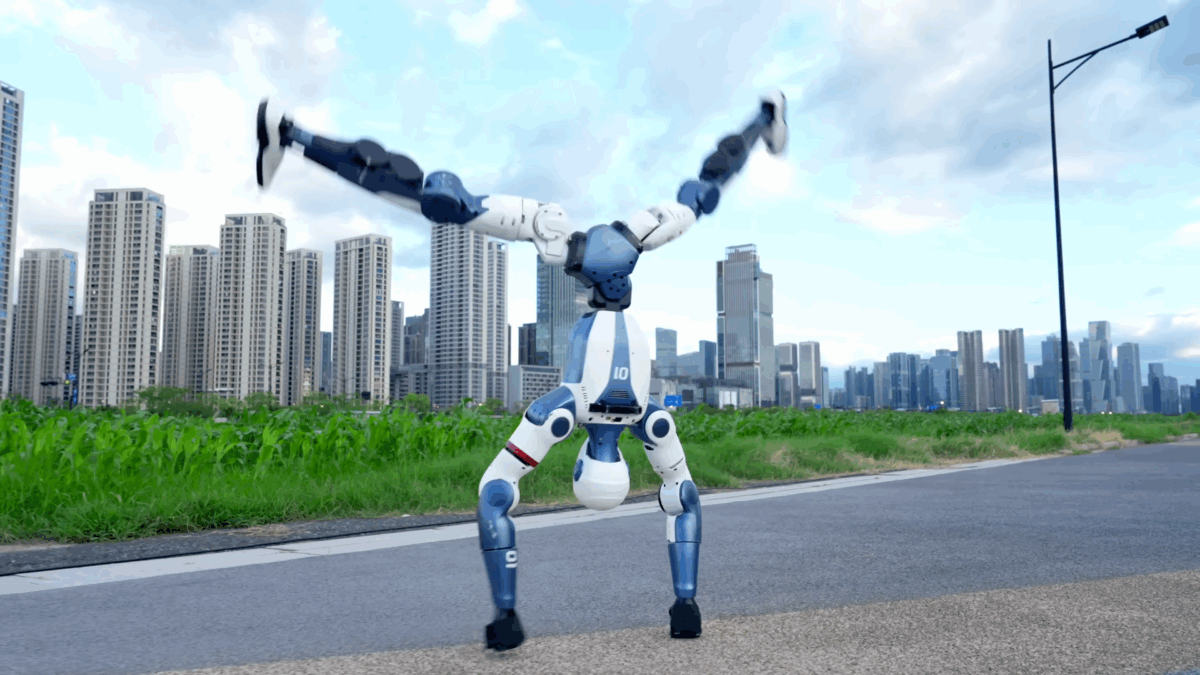
Unitree Robotics, a Hangzhou humanoid robot maker, debuted on the Shanghai stock exchange with its stock jumping as much as 629 percent and closing up 460 percent. The company raised 6.1 billion yuan ($904 million) and was valued at around $50 billion, making it the first publicly traded humanoid robot maker on the Chinese mainland.
Why it matters
Much of Unitree's revenue—nearly three-quarters of its humanoid revenue in the first nine months of 2025—comes from state-backed training centers that buy robots, use them to generate training data through teleoperation, and then sell that data back to the manufacturer. This creates a self-reinforcing loop where demand is partly policy-driven rather than organic, raising questions about the sustainability of the business model and whether the $50 billion valuation is justified. The setup echoes similar circular-financing patterns criticized in the U.S., where large tech firms back investments that generate demand for their own products.
What to watch
Unitree trades at 35.89 times revenue, significantly higher than its Hong Kong rivals at about 20 times, according to Bloomberg. Analysts warn there is "clearly no fundamental basis for the share price surge," and early-stage investors are already seeking exits. By June there were more than 90 state-backed training centers in China, and the training data for a five-minute robot dance can cost up to one million yuan ($148,000).
Summaries like this, in your inbox every morning.
Unitree's record-breaking IPO valuation sits atop a financing structure that differs sharply from traditional venture-backed robotics companies. The company's dependence on state-backed training centers—which accounted for nearly three-quarters of its humanoid revenue in the first nine months of 2025—creates a closed loop where demand is partly engineered rather than market-driven. At manufacturer Leju, these centers represented 45 percent of sales of its flagship robot, underscoring how central the arrangement has become across the Chinese robotics sector.
The skepticism centers on two linked issues: data quality and valuation credibility. Training data generated in controlled centers may not reflect real-world robot performance; one center manager disclosed that only two to three of every eight training hours are usable, according to Marco Wang of Interact Analysis. Meanwhile, Unitree's valuation at 35.89 times revenue dwarfs Hong Kong rivals at roughly 20 times, prompting analyst Vey-Sern Ling to conclude there is "clearly no fundamental basis for the share price surge." The pattern mirrors criticism leveled at U.S. tech giants—Nvidia, for instance, has backed AI firms and data center projects that in turn create demand for Nvidia's own chips, a structure critics say artificially inflates market size.
Beijing's approach, however, appears deliberate. About 20 percent of Unitree's IPO went to strategic investors including AI startup Deepseek, signaling state endorsement. Chinese officials and supporters argue the model mirrors earlier successes: electric cars and solar panels, which China now dominates after state-driven demand seeded those industries. Early-stage investors in Unitree are already seeking exits, according to the Financial Times, suggesting some doubt whether the current valuation can hold.
Pick your industry and the AI tools you use, and get news related to your work every day.
Free · 30 seconds with Google · unsubscribe anytimeWhat is AIToday? →
Ask AI anything about this article. The AI reads this article, earlier AIToday articles, and Wikipedia, and cites its sources. Q&As are published on this page for other readers too.
In Q2, billionaires or their funds sold six 'Magnificent Seven' AI stocks
Nvidia was rising early Friday, even as the wider chip sector kept falling, Barron's reported
ElevenLabs completed a $300 million employee tender at a $22 billion valuation, and co-founder Mati Staniszews…

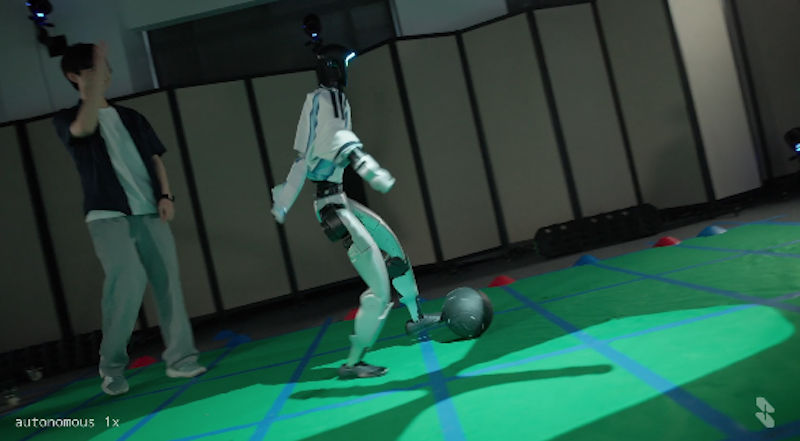
Skild AI used Nvidia Isaac Sim to give its S1 model one objective — score a goal — and let it compete against…
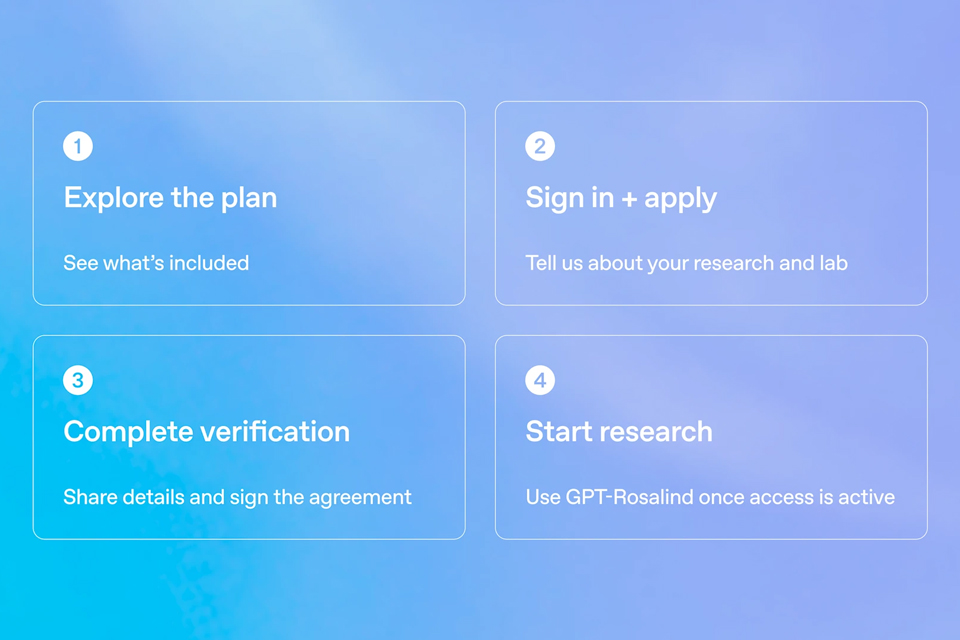
On October 15, OpenAI announced the Rosalind Academic Plan, giving approved US university labs free access to…
Neostellar Capital principal Evan Schlossman said CoreWeave's $103.7 billion in remaining performance obligati…