What happened
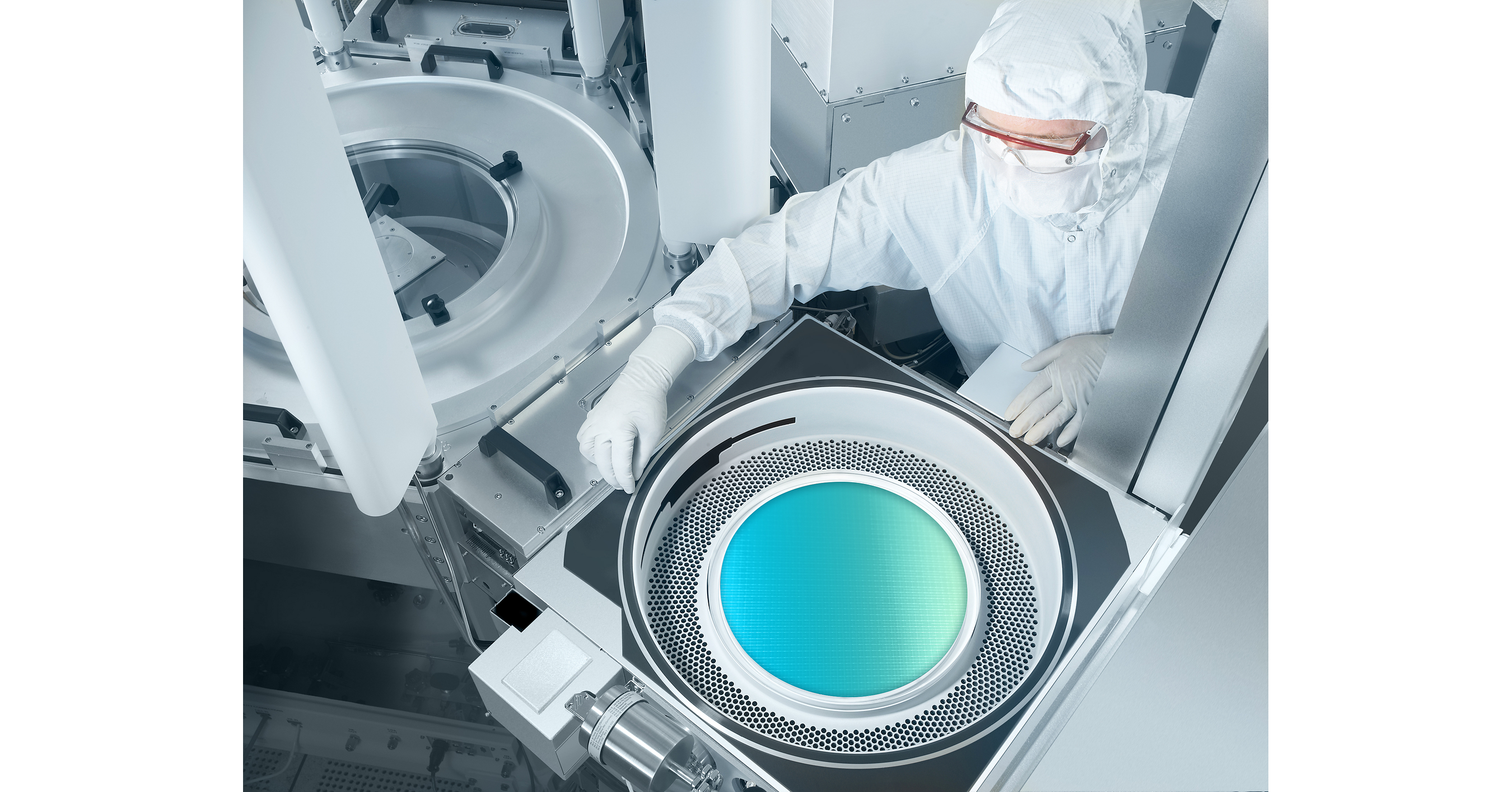
Lam Research announced plans to invest more than $3 billion over the next five years to expand its global research and development lab network across the United States, Asia, and Europe. The expansion is expected to add infrastructure and capabilities to increase experiment capacity by more than 50%.
Why it matters
The semiconductor equipment maker is responding to AI-driven demand for faster chip innovation. Tim Archer, Lam's president and chief executive officer, stated that "in the AI era, the pace of innovation is relentless, requiring chips with new architectures, different materials, and complex features engineered with nanoscale precision." The company's integrated lab network currently supports more than one million experiments annually and has already shortened process development up to 2.5 times for some customers.
What to watch
Lam plans to begin expanding the global lab network this year. The labs span specialized facilities for foundational research in new chemistries, materials and mechatronics (which can compress weeks of experimental work into a few days), process development labs working alongside manufacturing teams, and technology centers near customer facilities for rapid validation.
Lam Research Corporation, a NASDAQ-listed supplier of wafer fabrication equipment to the semiconductor industry, announced today that it intends to invest more than $3 billion over the next five years to expand its global research and development lab network. The expansion is planned to add infrastructure and capabilities that will increase experiment capacity by more than 50%.
The company's approach centers on a geographically distributed but operationally integrated lab network spanning the United States, Asia, and Europe. The network currently supports more than one million experiments annually. Specialized facilities are purpose-built for distinct phases of the innovation cycle: foundational research labs focus on new chemistries, materials, and mechatronics and can compress weeks of experimental work into as little as a few days; process development labs advance those discoveries toward production readiness with engineering, product development, and manufacturing teams working side by side on the same tools; and technology centers located near customer facilities provide rapid qualification and validation support. The labs operate as a 24/7 integrated network, enabling tools, data, and expertise to be shared across locations and time zones so that discoveries become shared knowledge.
Tim Archer, president and chief executive officer of Lam Research, framed the investment as essential to maintaining competitive advantage. "In the AI era, the pace of innovation is relentless, requiring chips with new architectures, different materials, and complex features engineered with nanoscale precision," Archer said. "Our ability to increase velocity throughout the R&D process has become a decisive advantage." The company aims to further compress product development cycles for customers, from pathfinding to fab deployment.
Micron Technology, a major customer, welcomed the investment. Scott DeBoer, executive vice president and chief technology and products officer at Micron, stated: "Congratulations to Lam on this investment. Micron is proud to work with Lam as we advance memory and storage solutions that power the AI ecosystem." He cited the longstanding collaboration's role in driving innovation in leading-edge front-end and advanced packaging technologies. Industry analyst John West, chief analyst for Semiconductor Equipment at Yole Group, underscored the broader stakes: "Wafer-level semiconductor device processing is the backbone of all semiconductor ecosystems," he said, noting that AI-related investment is lifting demand for deposition and etch intensity. West added that "sustaining this momentum will require the semiconductor ecosystem to innovate faster, compress development cycles, and scale new technologies into manufacturing more quickly." Lam plans to begin expanding the global lab network this year with the goal of increasing innovation velocity.
Lam Research's announcement reflects the semiconductor industry's urgent need to accelerate innovation cycles in response to AI-driven chip demand. The company operates a distributed lab network designed to run as an integrated 24/7 system, enabling discoveries in one location to become shared knowledge across all facilities. This approach has already delivered measurable results: the company has shortened process development up to 2.5 times for certain customers by combining specialized foundational research labs, process development facilities, and customer-proximity technology centers.
The $3 billion commitment over five years signals Lam's conviction that equipment makers must invest heavily in infrastructure to remain competitive. The expansion targets increased experiment capacity by more than 50%, which the company frames not as general growth but as a specific response to the "relentless pace" of AI-era chip architecture changes. Micron Technology, a major customer, endorsed the investment, citing their collaboration with Lam on "leading-edge front-end and advanced packaging technologies" and noting the partnership's role in scaling AI across the semiconductor ecosystem. Industry analyst John West of Yole Group connected the investment to broader ecosystem demands, asserting that "sustaining this momentum will require the semiconductor ecosystem to innovate faster, compress development cycles, and scale new technologies into manufacturing more quickly."
AI-summarized, only the topics you pick — one digest a day via Email, Slack, or Discord.
Free · takes 30 seconds · unsubscribe anytime
Ask AI anything about this article. Q&As are published on this page for other readers too.
Marvell Technology's stock rose around 5 percent, driven by social media discussion of its optical networking…

Three semiconductor equipment suppliers—Onto Innovation (US$1.1b revenue, US$15.7b market value), KLA (US$13.6…
IBM and OpenAI announced a strategic partnership on August 13, 2026, embedding OpenAI frontier models like GPT…

Micron's third-quarter fiscal 2026 revenues jumped 346% year over year to $41.46 billion, driven by strong dat…
GE Vernova (NYSE:GEV), a power infrastructure company spun off from General Electric, is being highlighted as…

Wells Fargo identified commercial real estate (CRE) as a beneficiary of what it calls "unrelenting demand for…

The AI news that matters, in one minute each morning.
Sign up free