What happened
Writer, an AI platform for marketers, released Palmyra X6—a new flagship model built on Z.ai's open source GLM-5.2—alongside major upgrades to its infrastructure harness. The company estimates the combination will cut deployment costs for customers by as much as 50% for basic tasks, available to clients starting Thursday.
Why it matters
Enterprise customers are increasingly focused on controlling AI costs rather than chasing performance benchmarks. Writer's internal research found that harness optimization (the infrastructure layer) reduced costs by an average of 40% across multiple models—often more effective than model choice alone—suggesting that infrastructure efficiency, not just model selection, is key to cost control.
What to watch
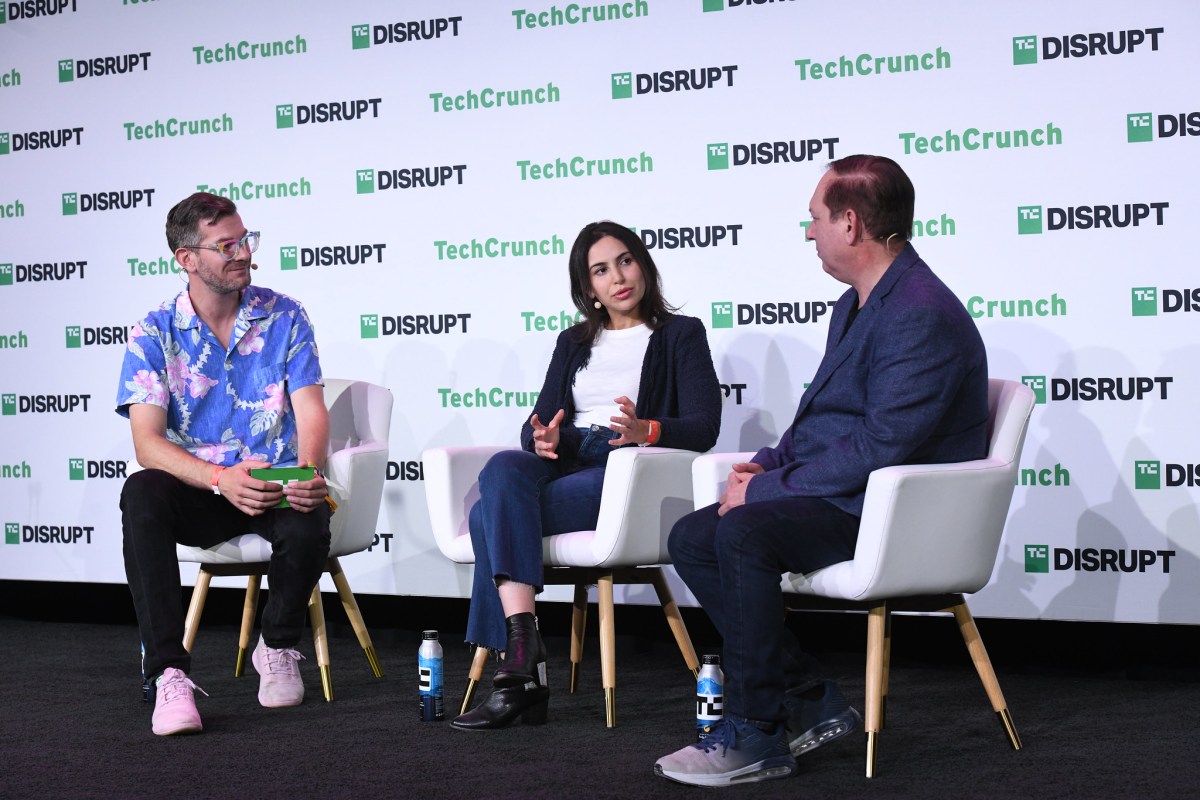
Writer's approach keeps Palmyra X6 model-agnostic, allowing it to sit alongside other Writer models or external models imported through Azure or Amazon Bedrock, giving customers flexibility to mix and match. CEO May Habib also flagged growing enterprise skepticism toward major AI labs, which have financial incentives to increase token usage.
Summaries like this, in your inbox every morning.
Enterprise customers are facing what CEO May Habib calls an "unprecedented" cost explosion from AI deployments, prompting a shift away from the benchmark-chasing mentality that has dominated the industry. Rather than simply adopting larger or more capable models, organizations now prioritize controlling per-token costs and total deployment spend. Writer's response—combining a purpose-built model with infrastructure optimization—reflects a broader realization that model choice alone is not the main lever. Internal research by Writer's team demonstrated that harness efficiency (the optimization of how a system executes tasks) can yield more consistent and substantial cost reductions than model selection, with an average 40% reduction across multiple models tested. This suggests that the infrastructure layer, which multiplies its efficiency gains across every model an organization runs, may be more critical than previously acknowledged. Habib also notes a growing skepticism among enterprise CIOs toward major AI labs, attributing this partly to the labs' financial incentive to increase token consumption—a dynamic that may accelerate demand for alternative approaches like Writer's.
Pick your industry and the AI tools you use, and get news related to your work every day.
Free · 30 seconds with Google · unsubscribe anytimeWhat is AIToday? →
Ask AI anything about this article. The AI reads this article, earlier AIToday articles, and Wikipedia, and cites its sources. Q&As are published on this page for other readers too.
Hewlett Packard Enterprise stock is down 5% at $55.87

The Motley Fool argues Amazon is the AI company of the two, since AWS was just 21% of first-half 2026 revenue…

Google Deepmind's Gemini 4 Argon scored 97.5 percent on ARC-AGI-3 at a cost of $4,800, second only to GPT-6 As…
Cammarata reinterprets InceptionV1's cat-car neuron as a V-shape detector, not two unrelated concepts

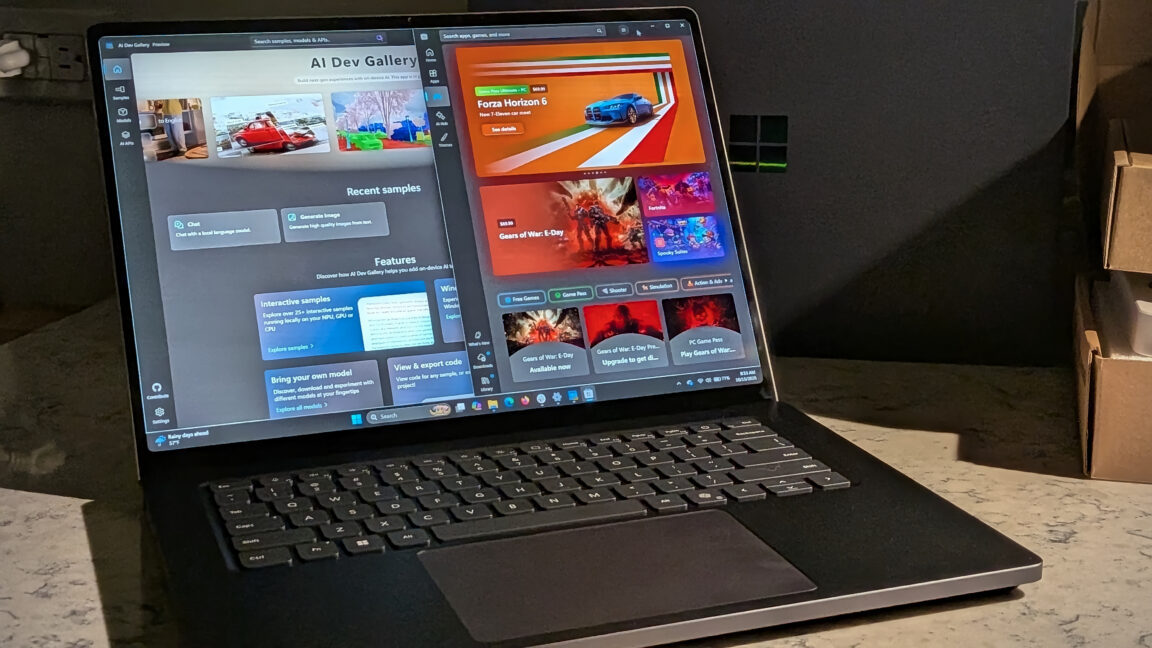
Microsoft's Surface Laptop Ultra, using Nvidia's RTX Spark platform, starts at $2,599 (up to $5,899)
Meta's new commercial terms, effective October 30th, appear to let it crawl and train AI on content from websi…