What happened
The Forecasting Research Institute found AI reached gold-medal level at the International Mathematical Olympiad in July 2025 — five years before the median expert forecast. Experts had assigned only 8.6 percent probability to that outcome.
Why it matters
The milestone arrived years ahead of what leading specialists and proven superforecasters expected, suggesting AI capabilities may be advancing faster than expert judgment — or public policy — can track.
What to watch
Some forecasts overshot instead — experts predicted 7.3 percent of US ride-hailing trips would be autonomous in 2027, while an LLM projection puts it at 2.5 percent. Whether FRI's faster methods close the gap is the test.
WHO IT HITSCorporate strategists, risk officers, and policy teams who rely on expert AI timelines for planning may find their assumptions too conservative, since the study shows specialists undercalled milestones by years.
Summaries like this, in your inbox every morning.
The Forecasting Research Institute has been collecting forecasts on AI progress since mid-2022, drawing on panels that include senior specialists, economists, AI policy experts, and superforecasters with a proven track record. Those predictions were largely gathered before ChatGPT launched, but the pattern of underestimation held afterward too, according to FRI.
The gap was widest in math, but it showed up elsewhere. In virology, experts predicted AI models wouldn't match a top team of virologists on a troubleshooting benchmark until 2030, while superforecasters said 2034 — FRI says that likely happened as early as April 2025. Economic forecasts also proved too conservative: experts put the median for the highest annual recurring revenue of any AI company at the end of 2026 at $20 billion, yet FRI cites roughly $100 billion for Anthropic in September 2026 as a figure that has likely already been reached.
Not every forecast ran too low, though. In a controlled trial on biological lab tasks, only 5.2 percent of participants succeeded with a language model and internet access, compared with 6.6 percent using the internet alone — far below what biosecurity experts and virologists expected. Self-driving car forecasts may also have been too high. Even as respondents revised their expectations upward — the average probability assigned to AI becoming a "technology of the century" rose from 31 to 36 percent for experts over nine months — FRI flags that its interim report is naturally tilted toward finding cases where forecasters were too cautious, since underestimates become obvious the moment reality overtakes a prediction, while overestimates only become clear once a deadline passes.
For example, today's edition would include:
AI-summarized, only the topics you pick: one digest a day via Email, LINE, or Slack.
Free · 30 seconds with Google · unsubscribe anytimeWhat is AIToday? →
Ask AI anything about this article. The AI reads this article, earlier AIToday articles, and Wikipedia, and cites its sources. Q&As are published on this page for other readers too.
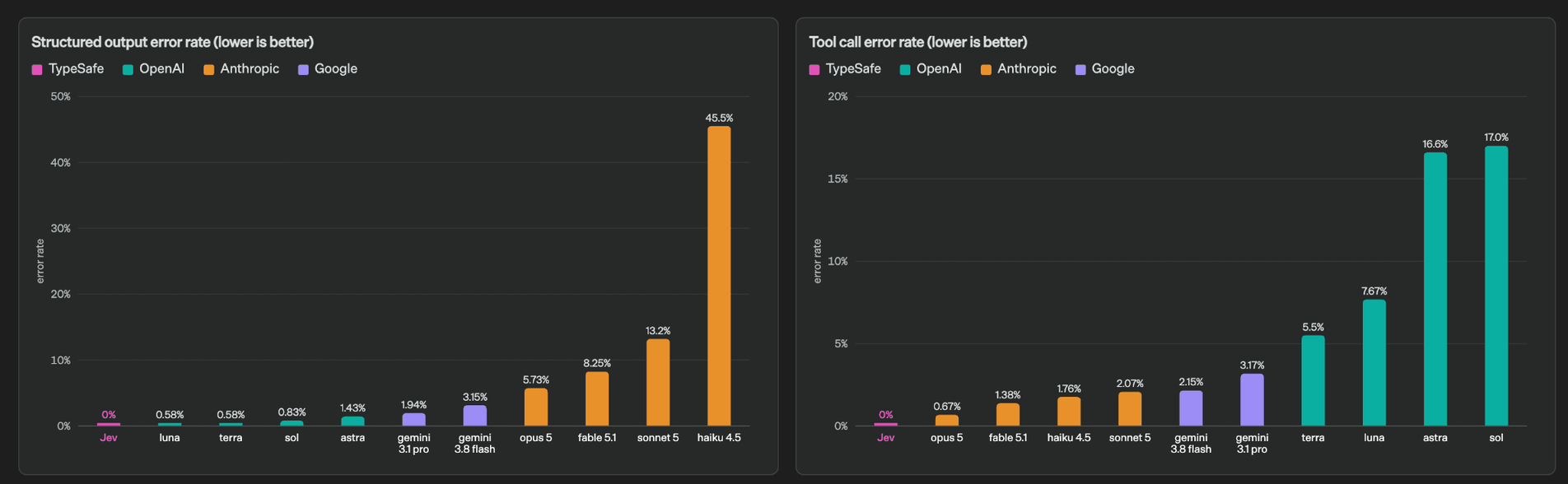
On 2026年9月15日, TypeSafe AI published System One Model and opened early access to Jev, which returns only type-…
Microsoft's Azure revenue grew 43%, Microsoft Cloud revenue rose 27% to $59.3 billion, and Amazon's AWS second…
CrowdStrike trades near 177 times forward earnings and 167 times free cash flow, while Palo Alto Networks trad…

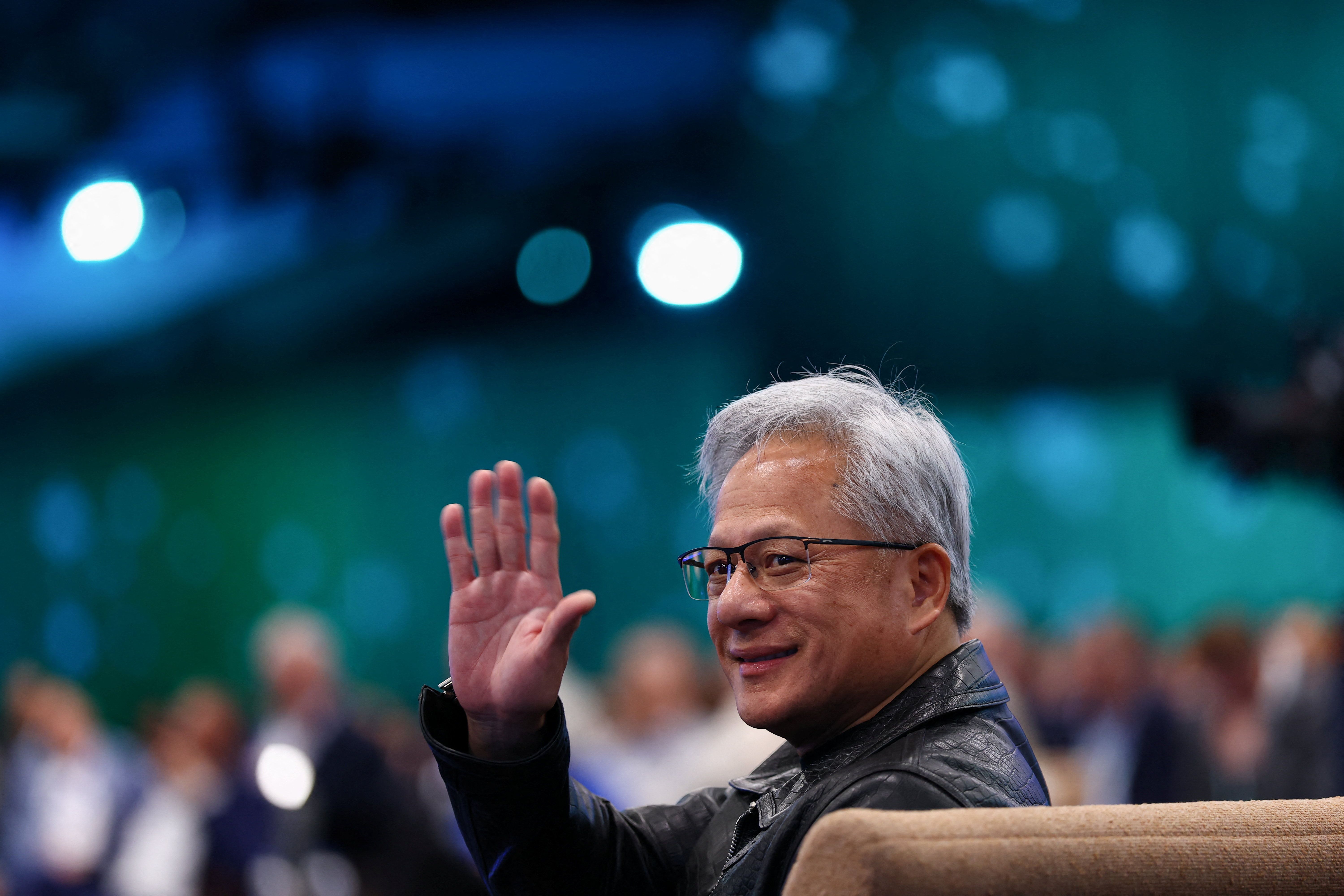
Nvidia CEO Jensen Huang called fears over AI's existential threats a "distraction" on The Ezra Klein Show, as…
Anthropic said Claude largely on its own found an unknown enzyme system, "ART," in DNA databases
OpenAI is preparing to preview GPT-6 Cyber in the coming weeks, with a limited number of Daybreak Red program…