What happened
In Uravation's survey of 747 respondents, 68.9% of those sharing AI practices with a team or company had automated repetitive tasks, versus 25.8% of solo users.
Why it matters
The gap suggests that spreading AI know-how beyond one person is tied to deeper use, though Uravation says the survey cannot show which comes first.
WHO IT HITSCorporate AI training and internal adoption teams may see the survey as evidence that building shared team practices, not individual experimentation alone, is what moves repetitive work onto AI.
Summaries like this, every morning.
Uravation's latest tally builds on an earlier report of 403 respondents published on October 6, 2026, and expands the sample to 747 people from 963 diagnostic responses collected between August 1 and November 2. Uravation notes that the differences from the earlier survey were all within 3.3 percentage points, so the overall picture has held steady as the sample grew.
The company frames the results around three axes it says move together: delegating work to AI, checking AI output, and spreading usage to others. It reports that people who share practices across a team or company are more likely to automate repetitive tasks, and that those who delegate to AI agents are more likely to vary how closely they check output by use case. Uravation cautions that these are relationships, not proof of cause and effect.
Uravation also points out a limitation in its sample: 71.7% of respondents from September 2 onward arrived via its free AI checker page, so the mix of respondents differs from earlier periods. The company says it does not treat period-to-period differences as evidence of changing usage behavior. It plans to use the findings to decide where its AI training and consulting engagements begin.
Pick your industry and the AI tools you use, and get news related to your work every day.
Free · 30 seconds with Google · unsubscribe anytimeWhat is AIToday? →
Ask AI anything about this article. The AI reads this article, earlier AIToday articles, and Wikipedia, and cites its sources. Q&As are published on this page for other readers too.
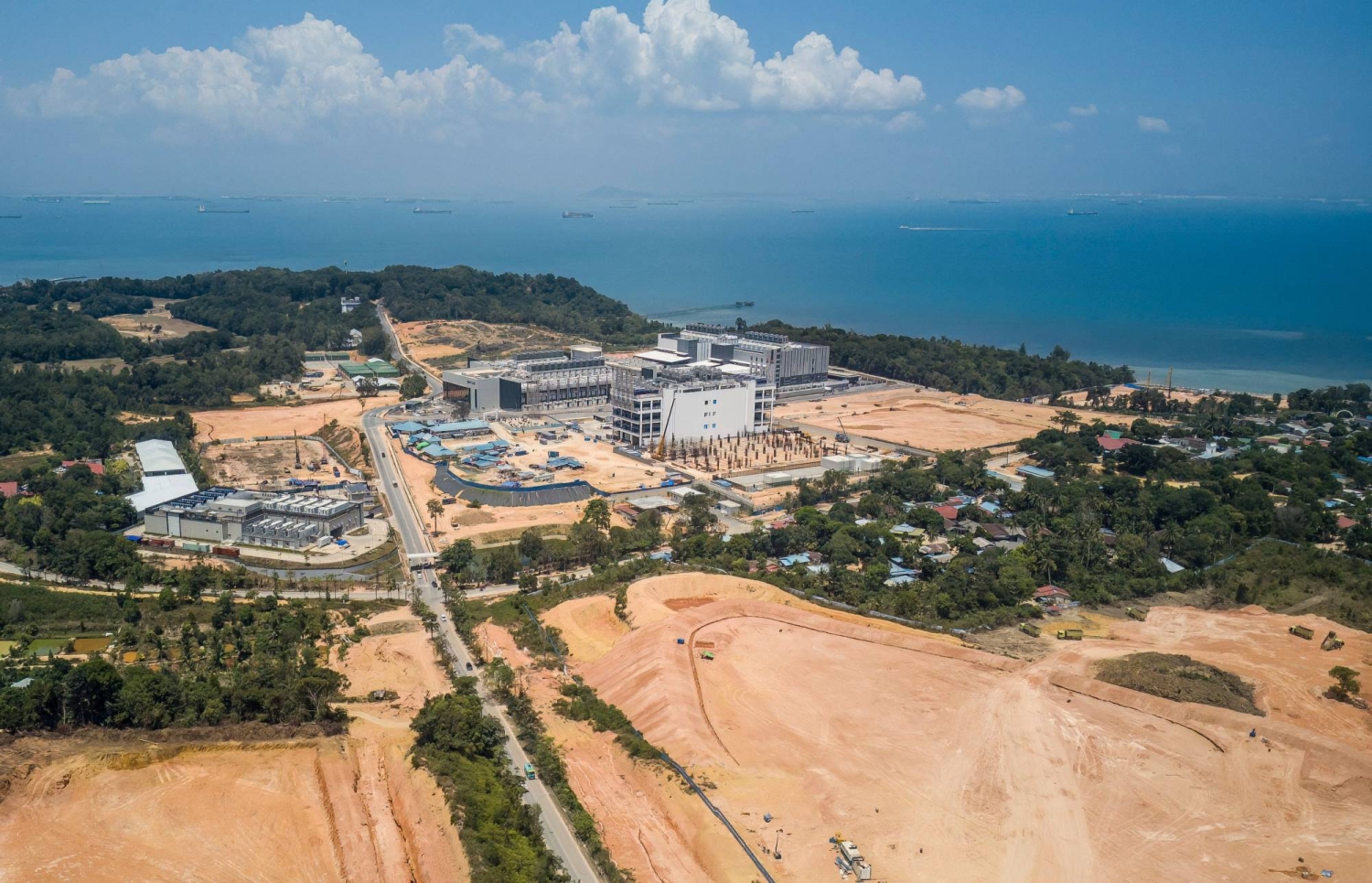
On Indonesia's Batam island, residents protested as data centers multiply; the local water utility blamed a "l…
Bernstein analyst Mark Moerdler estimates OpenAI's computing commitments could mean $614 billion of infrastruc…

Alphabet announced a $15 billion investment in data centers in Malaysia, even after midterm results raised fea…

A stock screen highlighted Taiwan Semiconductor Manufacturing and Tokyo Electron among 3 AI infrastructure sha…
UBS strategist Matthew Carter said investors should spread AI exposure beyond a few tech giants, and UBS raise…
Deutsche Bank economist Brett Ryan told Bloomberg that data-center moratoriums could prevent the AI buildout f…