What happened
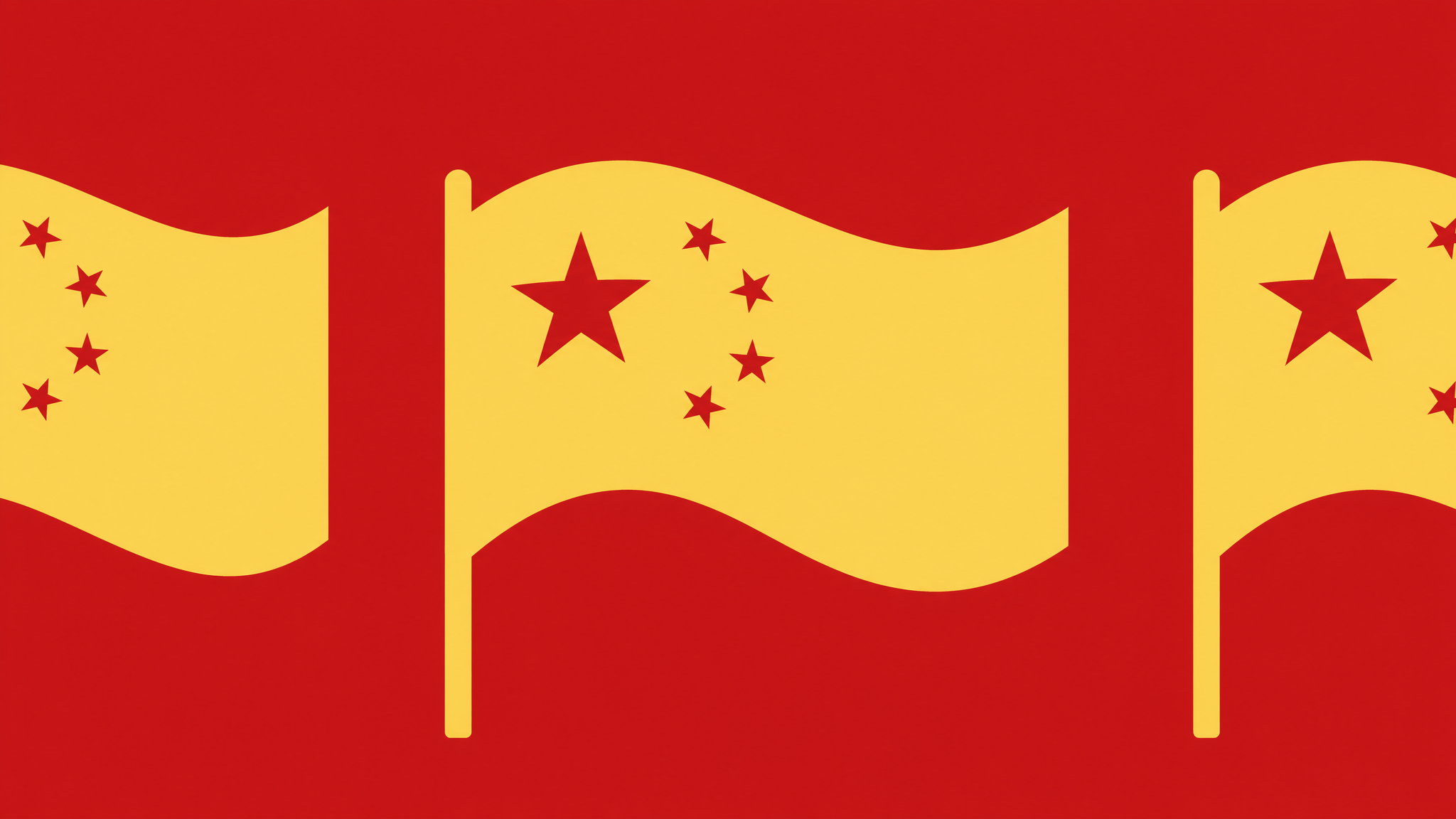
The US government is considering steps to address the spread of powerful open-source AI models from Chinese companies, which American AI labs say are built by distilling (extracting synthetic training data from) US frontier models without permission.
Why it matters
Chinese firms have successfully copied US models despite US companies' attempts to block the practice, and the government has limited technical tools to stop it. Officials worry about national security risks — embedded censorship, potential backdoors, and reduced reliance on US AI by global companies — but face pressure from Nvidia, which argues looser export controls keep China dependent on US infrastructure.
What to watch
The White House is weighing several policy options, including designating Chinese models as a supply-chain risk (which would restrict their use by US government contractors) or tightening export controls on compute capacity. How officials balance the interests of frontier AI labs and Nvidia will shape the final approach.
Summaries like this, in your inbox every morning.
The emergence of efficient Chinese open-source AI models represents a strategic challenge that has exposed a fault line in US technology policy. While export controls have successfully prevented China from developing frontier models at US scale, they have failed to block the development of distilled versions — cheaper, capable models reverse-engineered from American technology. This gap has created a dilemma: American AI labs view Chinese models as stolen goods, yet lack the technical means to stop the distillation process. The government's national security concerns — particularly around censorship and potential backdoors — are real, but the policy tools available are blunt. Designating models as supply-chain risks or tightening export controls would address symptoms rather than the root problem of synthetic-data distillation. Meanwhile, the economic pressure is mounting: Chinese firms are distributing models freely, allowing businesses worldwide to reduce spending on US AI services, a particular concern as US AI companies prepare for public offerings. The White House's dilemma is sharpened by conflicting interests within the US technology sector itself. Frontier labs (OpenAI, Anthropic, and others) and Nvidia are both strategically important, yet their interests diverge. Frontier labs want tighter constraints on Chinese capabilities; Nvidia argues that looser export controls maintain Chinese dependence on US chip infrastructure. Resolving this tension will define how aggressively the administration pursues its China AI strategy.
Pick your industry and the AI tools you use, and get news related to your work every day.
Free · 30 seconds with Google · unsubscribe anytimeWhat is AIToday? →
Ask AI anything about this article. The AI reads this article, earlier AIToday articles, and Wikipedia, and cites its sources. Q&As are published on this page for other readers too.
China's commerce and science ministries released a draft update adding 23 key AI technologies to its export co…
Vercel data published Thursday shows TypeSafe AI's Jev, a lightweight decision model for choosing among predet…

Reflection AI introduced Beam, an open-weight model for agentic coding and long-horizon tasks, with 501 billio…

Apple and Meta said they would jointly release a new open-weight AI model designed to run on high-end Macs, ai…

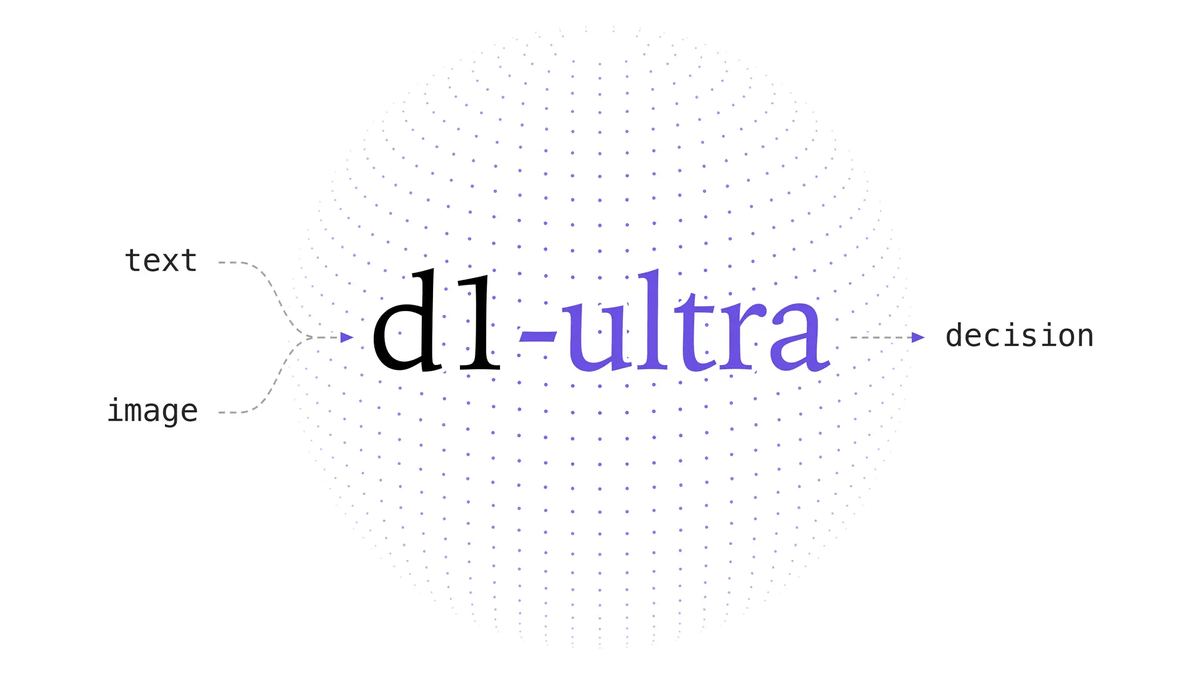
Liquid AI released d1-ultra on October 15, 2026, an upgraded open-weights decision model that averaged 76.7 ac…
NVIDIA released Nemotron 3.5 Super VL, an open-weight model with 120 billion parameters that handles text, ima…