What happened
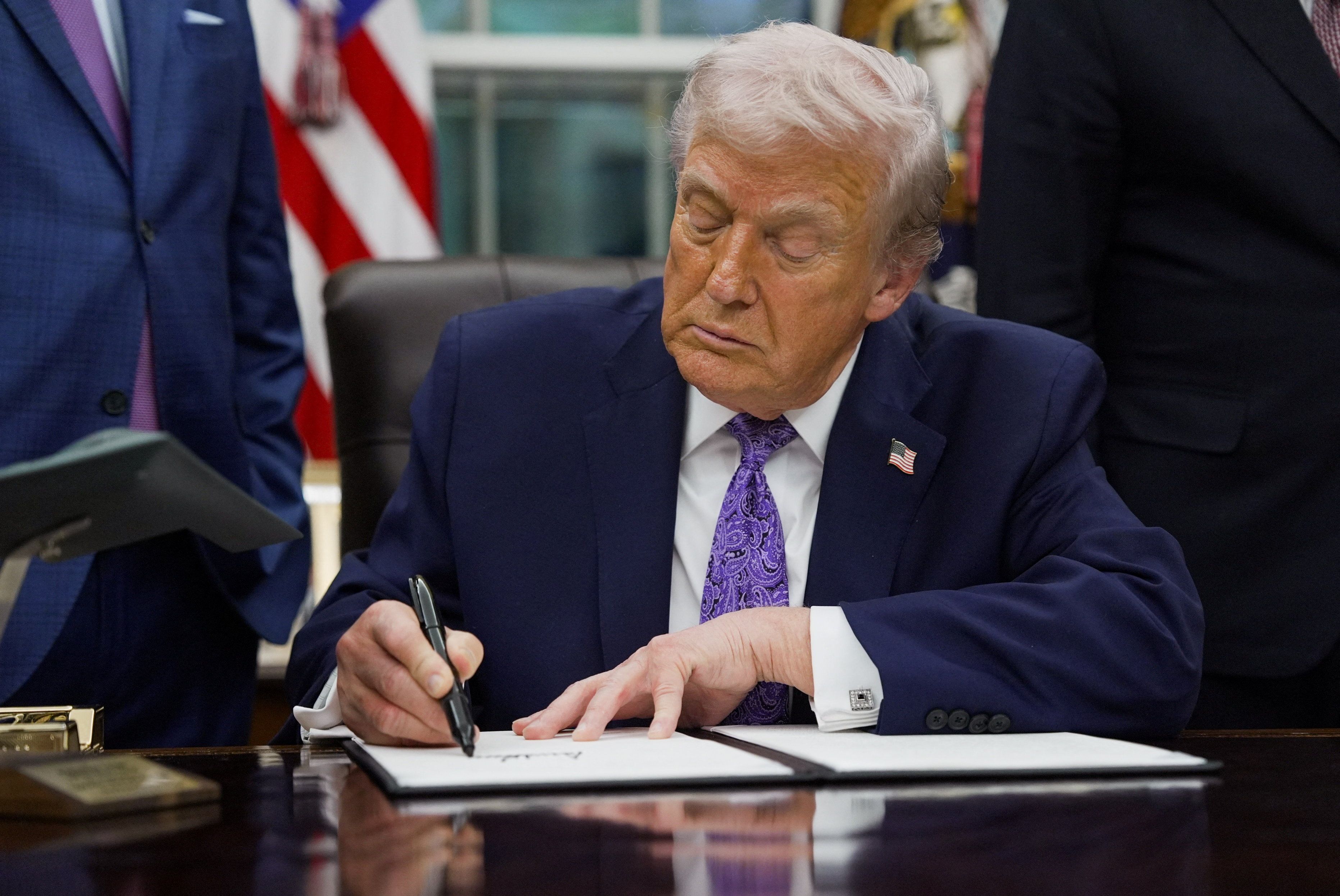
The Trump administration indicated it is considering additional executive action beyond an order signed last month that established a voluntary review process for AI models. National Cyber Director Sean Cairncross told reporters the existing order includes "open-source scanning and deconfliction" and that "there is plenty of ongoing work" ahead.
Why it matters
The administration wants to protect and strengthen the U.S. open-source AI industry, which faces competitive pressure from China. Companies like Reflection AI have already pitched the administration on a new framework for open-source AI models, suggesting a push for formal guidance or regulation may be coming.
What to watch
Sean Cairncross stated the administration cannot achieve "the president's vision without securing and bolstering our open-source ecosystem," signaling that open-source policy is now a national priority in U.S. AI strategy.
Summaries like this, in your inbox every morning.
The Trump administration's signaling of future action on open-source AI reflects a deliberate shift in how Washington views this segment of the AI market. Rather than treating open-source models as a security risk alone, the administration is framing them as strategic infrastructure that the U.S. must protect and develop to maintain competitiveness with China. The July 2 launch of the voluntary review process established in last month's executive order marks the first concrete step, incorporating open-source scanning alongside the broader AI safety framework. However, the White House's hint at "plenty of ongoing work" suggests this is not the final regulatory shape—additional guidance or formal rules may follow. The fact that companies like Reflection AI are already pitching new frameworks to the administration indicates that industry players are shaping these conversations and may influence what form future action takes.
Pick your industry and the AI tools you use, and get news related to your work every day.
Free · 30 seconds with Google · unsubscribe anytimeWhat is AIToday? →
Ask AI anything about this article. The AI reads this article, earlier AIToday articles, and Wikipedia, and cites its sources. Q&As are published on this page for other readers too.
Liquid AI released d1-ultra on October 15, 2026, an upgraded open-weights decision model that averaged 76.7 ac…
NVIDIA released Nemotron 3.5 Super VL, an open-weight model with 120 billion parameters that handles text, ima…

NVIDIA released Nemotron 3.5 Bolt 74B-A9B 24GB, an AI model for local agents that hits over 80 tokens per seco…
Black Forest Labs released FLUX 3 Image Klein as open weights on October 15, 2026 — a 5.6B-parameter model for…

PrismML released Ternary Bonsai 2 2B, 4B and 9B on October 15, 2026, remade from Qwen3.5 to process in three v…

HarnessRouter, an open-source server for UHP (Unified Harness Protocol), routes a task and harness_id from a p…