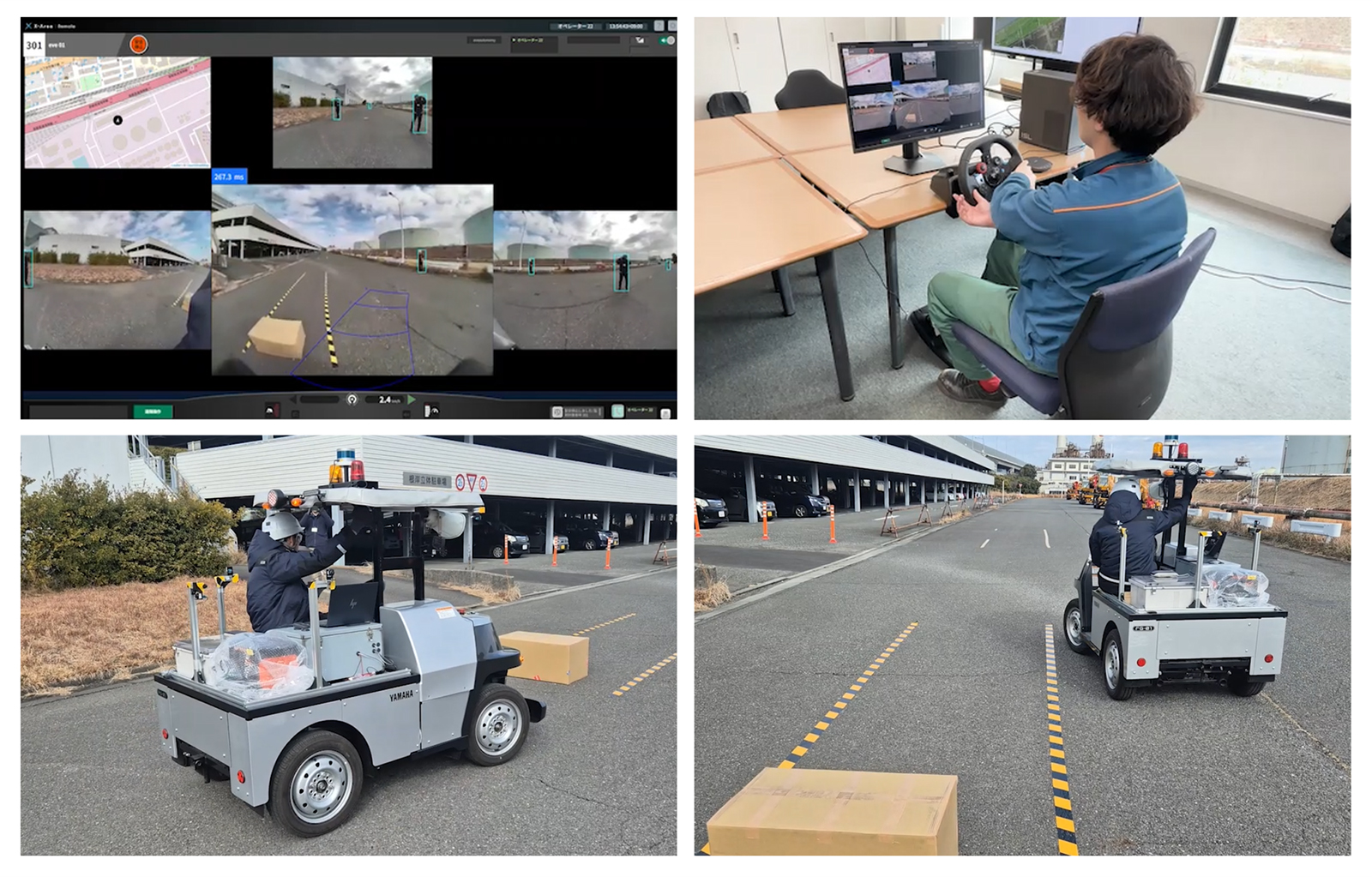
Panasonic has developed an outdoor automated transport system enhanced with AI-assisted remote operation, marking a step toward fully autonomous unmanned operations.
The system represents progress in autonomous logistics technology that could reshape how goods are moved without human operators.
What happened
Panasonic has built an outdoor automated transport system with AI-assisted remote operation capabilities, moving toward practical deployment of fully unmanned operations.
Why it matters
The system demonstrates progress toward autonomous logistics that can operate outdoors without human intervention, potentially reducing operational costs and labor constraints in goods movement.
What to watch
The development signals Panasonic's commitment to advancing autonomous transport technology; further details on deployment timeline and trial locations are not specified in the announcement.
Ask the AI about this article →
Panasonic's announcement reflects the growing focus within logistics and industrial automation on reducing human involvement in transport operations. The integration of AI-assisted remote operation suggests a two-stage approach: first enabling human operators to control outdoor autonomous vehicles remotely, then progressing to fully automated systems that require no human intervention. This aligns with broader industry efforts to address labor shortages and operational efficiency in supply chains. The outdoor focus is significant because autonomous systems operating in uncontrolled external environments face greater technical challenges than indoor or controlled-setting automation.
For example, today's edition would include:
AI-summarized, only the topics you pick — one digest a day via Email, Slack, or Discord.
Free · takes 30 seconds · unsubscribe anytimeWhat is AIToday? →
Ask AI anything about this article. Q&As are published on this page for other readers too.
BHP, the world's largest mining company by market capitalization, has deployed AI across its operations

Team Liquid announced a new five-year extension of its long-running collaboration with Dell Technologies' Alie…

A University of Mississippi study published in Journal of Interactive Advertising found that AI ads succeed wh…

Goldman Sachs Research says AI supply and demand won't balance until the first half of 2028
Lam Research broke ground yesterday on a new lab in Tualatin, Oregon

Visa, Mastercard, and Fiserv joined the Agentic Payments Alliance (APA), a 26-company coalition led by stablec…