What happened
OpenAI has launched WebSocket mode for its Responses API after a two-month sprint and alpha testing. Codex users running the latest models and developers like Vercel, Cline, and Cursor have reported latency improvements of up to 40%.
Why it matters
As model inference gets faster, the API overhead became a bottleneck. With the fast coding model GPT-5.3-Codex-Spark targeting over 1,000 tokens per second, traditional request handling made users wait on CPU servers. The new persistent connection caches state and processes only new input, making the API keep up with faster inference.
What to watch
The success hinges on developers adopting the new WebSocket mode without rewriting their integrations, which OpenAI has aimed for by keeping the familiar API shape. Watch whether the reported speed gains of up to 39-40% for partners like Cline and Vercel translate broadly across the developer community.
Summaries like this, in your inbox every morning.
OpenAI's performance sprint on the Responses API, starting around November 2025, initially cut time to first token by close to 45% through caching and fewer network hops. But that wasn't enough for the new GPT-5.3-Codex-Spark model, which targets over 1,000 tokens per second—an order of magnitude faster than prior flagship models like GPT-5. The deeper problem was structural: each request was treated independently, forcing repeated processing of the entire conversation history even when little had changed.
The solution meant ditching the pattern of many HTTP calls for a single persistent WebSocket connection. An internal prototype showed the potential, and after a two-month build, OpenAI launched a version that keeps the developer-friendly API shape with `response.create` and `previous_response_id`. The server caches prior state in memory, so only new input gets validated, classified for safety, and tokenized, avoiding redundant work across multi-turn agent rollouts.
The public launch has seen immediate adoption, with Codex moving most of its traffic to the new mode and achieving up to 4,000 TPS bursts in production. External partners like Vercel, Cline, and Cursor also report up to 40% latency improvements. The key question is whether broad adoption follows, since the benefit hinges on developers choosing to integrate WebSocket mode to see these gains.
Pick your industry and the AI tools you use, and get news related to your work every day.
Free · 30 seconds with Google · unsubscribe anytimeWhat is AIToday? →
Ask AI anything about this article. The AI reads this article, earlier AIToday articles, and Wikipedia, and cites its sources. Q&As are published on this page for other readers too.
ElevenLabs completed a $300 million employee tender at a $22 billion valuation, and co-founder Mati Staniszews…

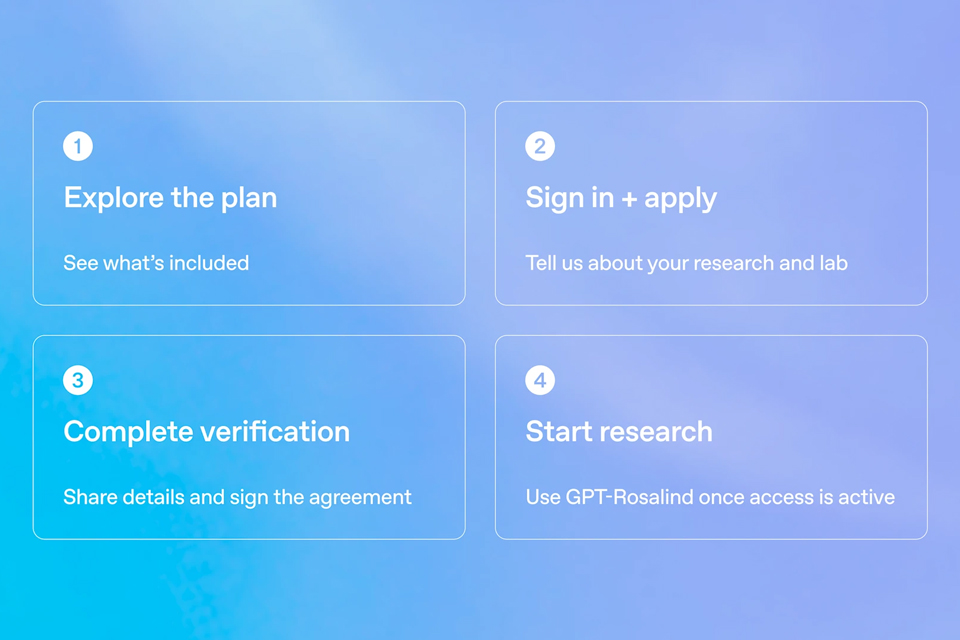
On October 15, OpenAI announced the Rosalind Academic Plan, giving approved US university labs free access to…
A Qiita article compared automated red-teaming methods for LLM apps — GCG, PAIR, and TAP — using mock implemen…

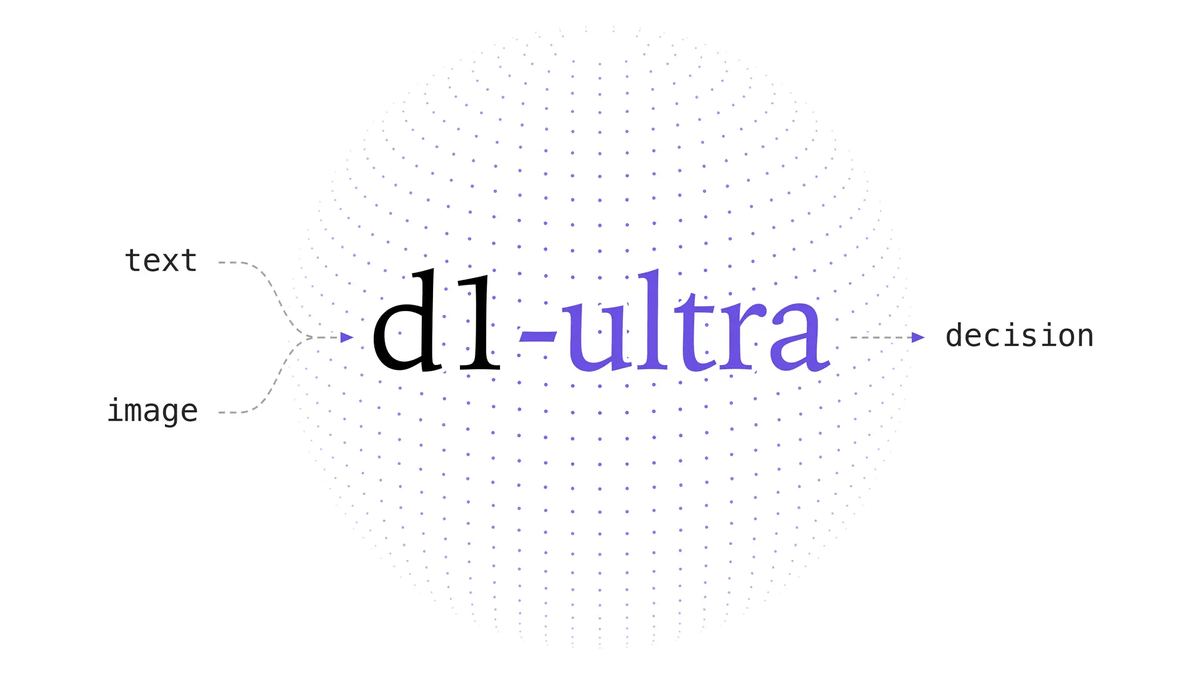
Liquid AI released d1-ultra on October 15, 2026, an upgraded open-weights decision model that averaged 76.7 ac…
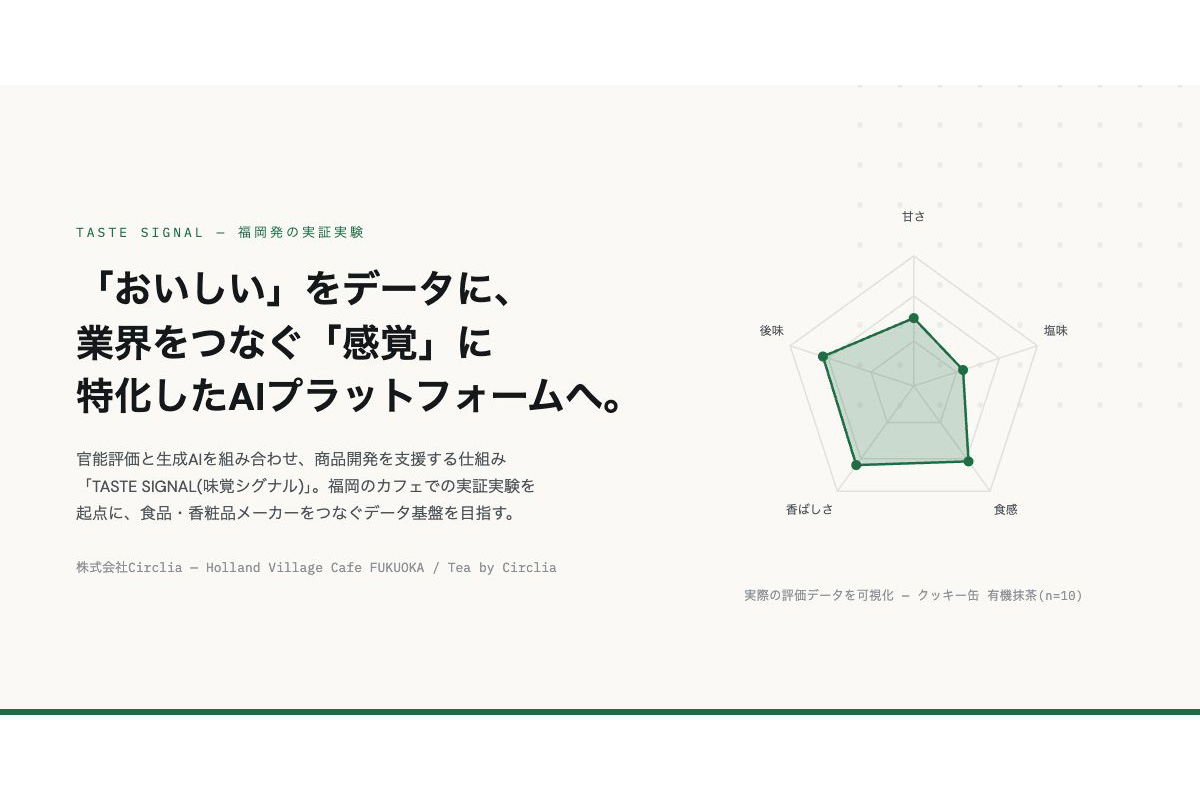
Circlia started a proof-of-concept for TASTE SIGNAL: visitors to Holland Village Cafe FUKUOKA taste cookies an…
In a webinar hosted by French Mathematical Society president Isabelle Gallagher, Fields Medal winner Hugo Dumi…

