What happened
Paul Nashawaty of theCUBE Research said 86% of enterprises prioritize data unification over compute, while 64% of enterprise AI teams cite insufficient storage throughput as a leading training bottleneck.
Why it matters
That suggests the binding constraint on enterprise AI is data readiness, not model choice, so budgets and architectures may tilt toward storage and governance.
What to watch
Vrashank Jain of Dell says agents fire 10 times more queries than before and calls agents the new users, so the test is whether platforms hold up under that load. Watch the Dell AI Data Platform Event on Oct. 6–7.
WHO IT HITSEnterprise data and storage teams, plus application developers who must make governed data available across the AI lifecycle, are likely to feel the shift first. Their tooling and budget decisions may be judged on throughput and data readiness rather than model selection.
Summaries like this, every morning.
The event's framing starts from a shift that Dell and theCUBE Research describe as already underway: enterprises have spent heavily on models and accelerated computing, but the harder problem is getting distributed, messy and sensitive data ready for systems that need reliable context at speed. Paul Nashawaty's numbers — 86% prioritizing data unification over compute, 64% of AI teams citing insufficient storage throughput — are presented as evidence that this is where the bottleneck now sits, not in model selection.
A second thread runs through the practitioner interviews. Dell's Vrashank Jain describes agents as unpredictable in the data they may need, reaching across SharePoint, OneDrive, SaaS applications and legacy systems, and firing roughly 10 times more queries than before. Elastic's Sri Desikan points to a related architectural move: pre-building context so models don't repeatedly search back-end systems, using vector search, hybrid search and re-ranking, with the aim of minimizing token costs and maximizing accuracy. John Furrier frames this emerging context layer as connective tissue between models and enterprise data, and draws a line between a good demo and production-grade discovery and low latency.
Security and governance sit alongside that. Krista Case of theCUBE Research says the challenge expands beyond protecting models to protecting the distributed data that gives AI context and value, and that cyber resilience will depend on knowing where critical data lives and controlling how it is accessed. Whether the Dell AI Data Platform's architecture — bringing AI closer to enterprise data while keeping controls around security, governance and sovereignty — becomes the pattern enterprises adopt is likely to hinge on how these production requirements are met as deployments scale.
Pick your industry and the AI tools you use, and get news related to your work every day.
Free · 30 seconds with Google · unsubscribe anytimeWhat is AIToday? →
Ask AI anything about this article. The AI reads this article, earlier AIToday articles, and Wikipedia, and cites its sources. Q&As are published on this page for other readers too.
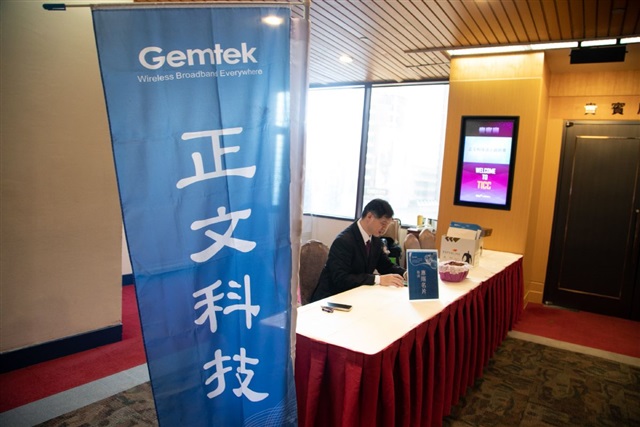
Gemtek Technology returned to operating profitability in the third quarter of 2026, with margins improved and…
SentinelOne averaged 21% revenue growth over the last three years versus -2% for C3.ai; its 12-month revenue w…

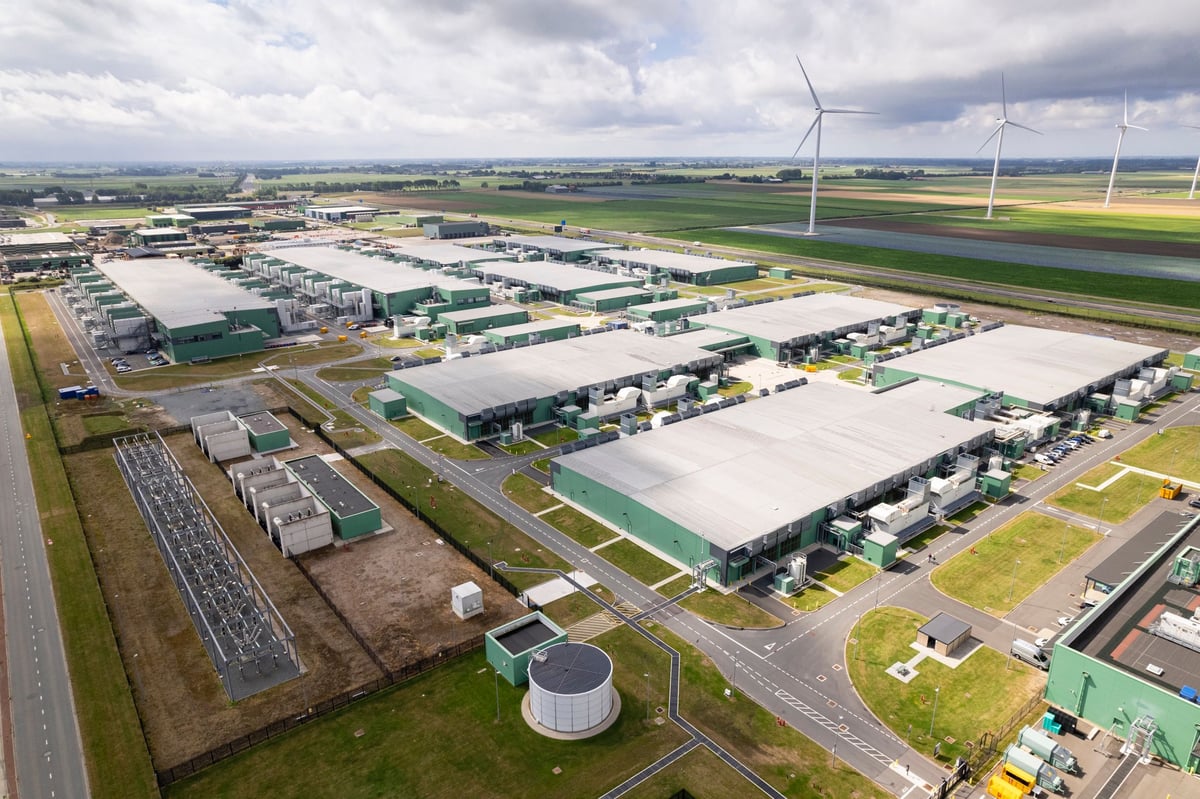
SpaceX announced roughly $24 billion for an AI supercomputing center at Starbase, Texas, and about $50 billion…
The author fed the 'desired candidate profile' text from 145 job postings to Claude, turned the extracted labe…

Researchers de-duplicating leak-site data say alleged ransomware attacks reached nearly 3,000 over the summer…

Hithink RoyalFlush Information Network (valued at about CN¥149.23b) and SSI Securities (about ₫60.6t, 44.4% ne…