What happened
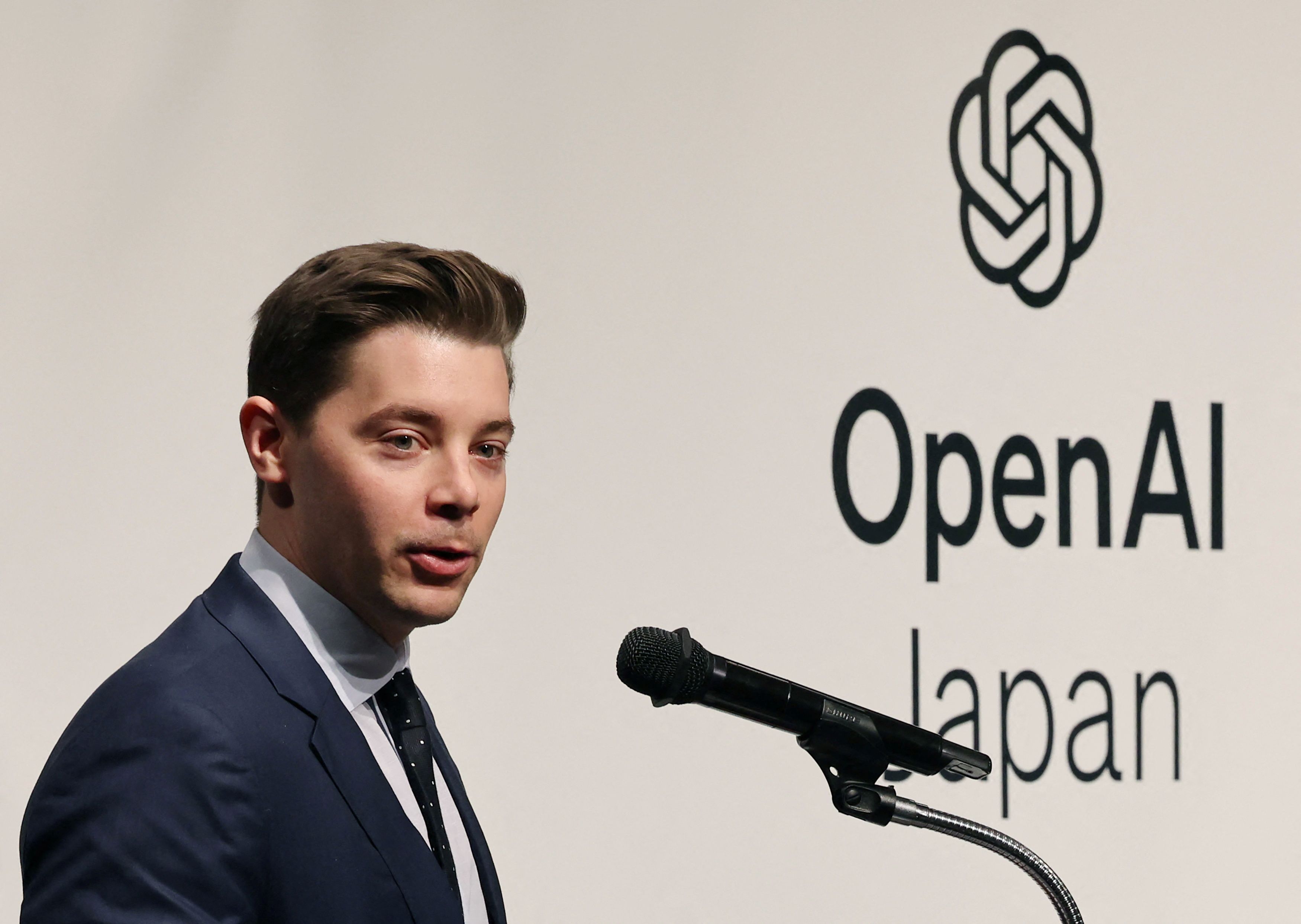
Brad Lightcap, a longtime OpenAI executive, announced his exit Tuesday. His departure follows recent exits by OpenAI's head of ethics, head of safety systems, and former mission alignment chief — a months-long leadership exodus.
Why it matters
The departures occur as OpenAI contends with perceptions it has lost ground to Anthropic, which is thought to be leading in valuation and enterprise adoption, even though OpenAI's ChatGPT still has more users. The exits signal internal instability at a critical moment before the company's planned IPO.
What to watch
OpenAI may benefit from brewing Silicon Valley backlash against Anthropic, whose executives have criticized open-weight AI models popular among developers, according to The Wall Street Journal.
Summaries like this, in your inbox every morning.
OpenAI is experiencing a notable wave of leadership departures that underscore internal turbulence at a pivotal moment for the company. Brad Lightcap's exit follows a months-long pattern of resignations among senior figures responsible for ethics, safety, and mission alignment — roles central to the company's governance and public positioning. This exodus occurs precisely as OpenAI prepares for a planned IPO, when stable leadership and clear strategic direction are typically most critical for investor confidence.
The timing and nature of these departures suggest deeper competitive pressures. Anthropic, OpenAI's closest rival, is perceived to be gaining ground in valuation and enterprise customer adoption, a shift that may reflect shifting buyer preferences or concerns about OpenAI's direction. Yet OpenAI retains a significant user advantage through ChatGPT, indicating the competition remains unresolved. The body also notes that OpenAI could benefit from backlash in Silicon Valley against Anthropic's public criticism of open-weight AI models — a potential offset to its current perception deficit, though the extent and timing of such a shift remain uncertain.
Pick your industry and the AI tools you use, and get news related to your work every day.
Free · 30 seconds with Google · unsubscribe anytimeWhat is AIToday? →
Ask AI anything about this article. The AI reads this article, earlier AIToday articles, and Wikipedia, and cites its sources. Q&As are published on this page for other readers too.
Supermicro Computer appointed Mark Long as chief financial officer, bringing an experienced technology finance…
Holtek Semiconductor unveiled its 2026 product roadmap on October 15, focusing on four core areas: smart prote…
TSMC reported about NT$763.1b in Q3 net profit and confirmed that demand for advanced processors is running ah…

Nvidia-backed CoreWeave steadied Thursday after a sharp slump, as investors worried about the debt financing b…
Weathernews said on October 15 it implemented its own AI weather-forecasting model, AI-Nowcast, in its Weather…

TOPPAN Holdings and Keio University ran a quantum-computer and generative-AI proof-of-concept from February 1…