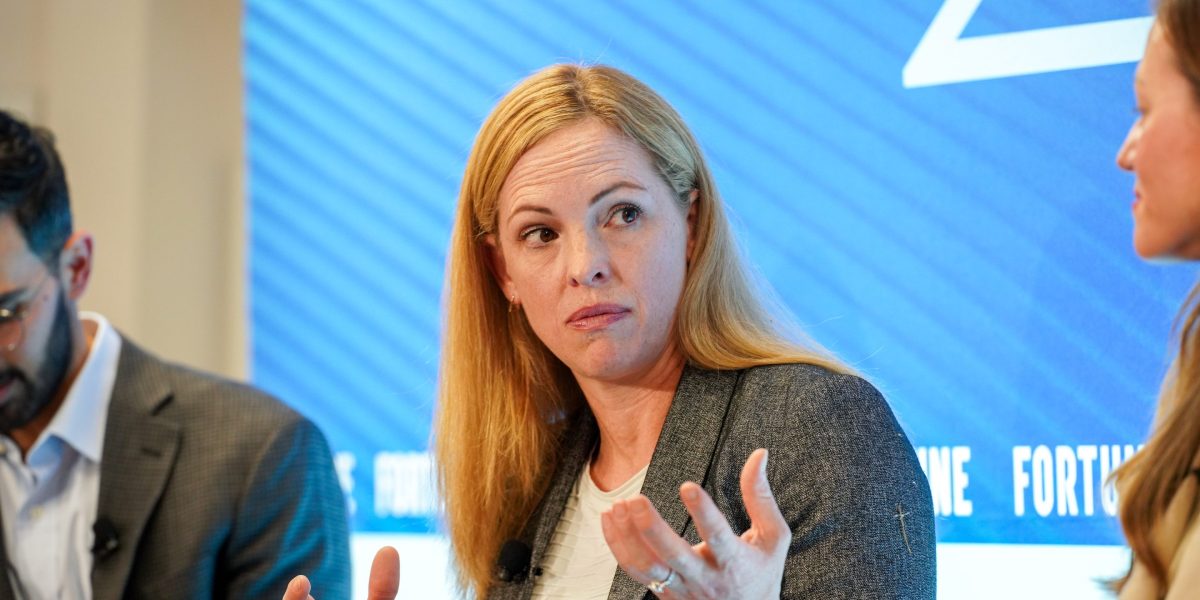
What happened
Business executives gathered at Fortune Brainstorm Tech to discuss the core challenge of deploying agentic AI systems (AI that independently performs tasks). The consensus is that transparency and the ability to trace every step an AI takes—and understand why it made mistakes—is now a top priority. Companies like Thomson Reuters are building what they call 'fiduciary grade' products centered on transparency, data privacy, subject matter experts, and reliable content.
Why it matters
As AI systems take on more and more work, humans cannot keep up with verifying all of it. One panelist noted that 'you end up in this space where you've got so much work that's been done, so much work to audit, that you can't truly be accountable.' A common solution emerging is the 'LLM as a judge' technique—using one AI system to check the work of another, similar to a newsroom where an editor reviews a writer's output. The critical point is that separate AI systems must do the verification; as one executive stressed, 'you don't want AI to grade its own work.'
What to watch
Techniques from safety-critical industries (like aviation and nuclear power) developed decades ago are being imported into everyday AI practice. Computer coding is about one year ahead of other industries in developing these verification methods, suggesting the pattern will accelerate across sectors as agentic systems become more widespread.
Summaries like this, in your inbox every morning.
Pick your industry and the AI tools you use, and get news related to your work every day.
Free · 30 seconds with Google · unsubscribe anytimeWhat is AIToday? →
Ask AI anything about this article. The AI reads this article, earlier AIToday articles, and Wikipedia, and cites its sources. Q&As are published on this page for other readers too.
NTT TechnoCross said on Oct 8, 2026 it began offering PromanAIde, a SaaS project-management tool that reads pr…
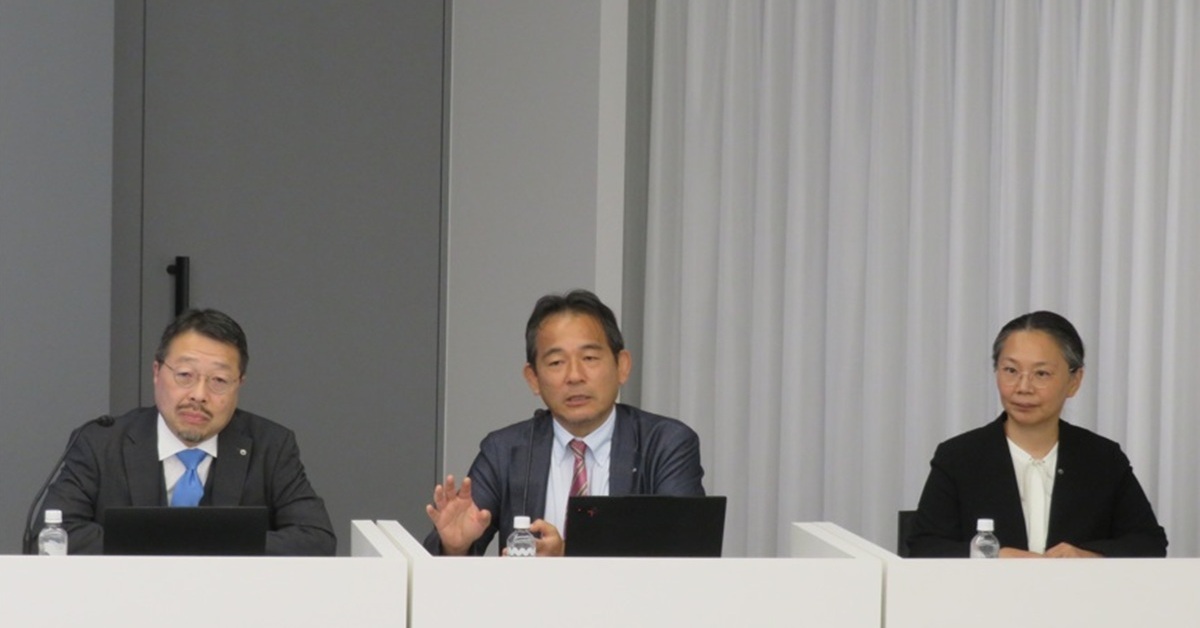
PS5LM Plus runs llama.cpp models in GGUF format on a jailbroken PS5, using 12GiB of memory and the GPU via Vul…

In a study published on 2026年10月16日, Anthropic said its AI agents log 6倍 the company's human working hours — 1…

DeepSeek has put out a new low-priced AI model, with the Nikkei framing the release as a possible factor in we…
NVIDIA released Nemotron 3.5 Super VL, an open 120-billion-parameter model it says matches its largest reasoni…
Setagaya Ward tested Genspark, an AI agent tool, and cut roughly 2,900 hours of work, according to Sho Miyama…