What happened
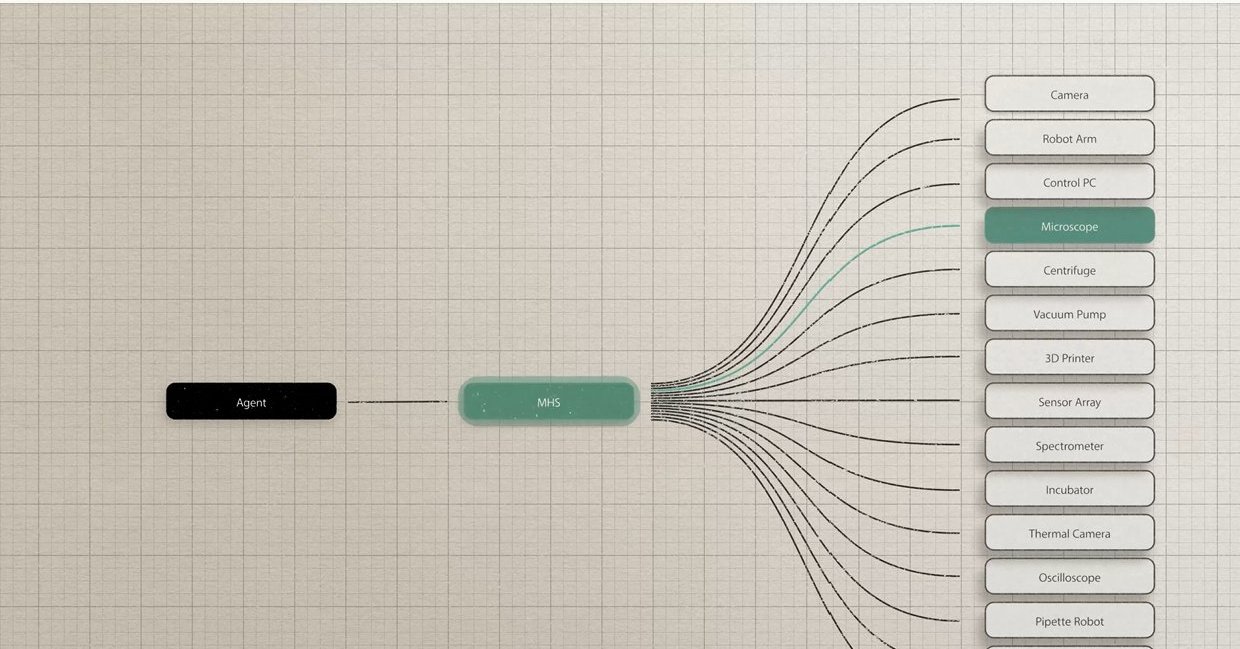
Anthropic announced the research preview of Model Hardware Standard (MHS), a common specification for AI agents to safely operate physical devices, on August 27. It is initially offered to select partners in scientific research and advanced manufacturing. MHS was developed with HHMI Janelia Research Campus and allows agents to control microscopes, liquid handlers, and robot arms in parallel.
Why it matters
Previously, integrating lab and manufacturing equipment took weeks to months because each device had a different programming interface. MHS reduces this integration effort to hours or minutes by using standard drivers with basic read/write commands, making devices discoverable on a network. Early adopters include Genentech, which automated a protein assay with Claude autonomously optimizing liquid handling and recovering from errors, and Carnegie Mellon University, which ran a dose-response test about 3 times faster, finishing in 8 hours versus weeks if outsourced.
What to watch
Anthropic plans to open-source MHS after refining safety evaluations and protections for AI in the physical world. The standard is model-agnostic and works with any programmable device, but currently cannot handle devices without a programming interface. Vendors like AWS, Tecan, Universal Robots, Hugging Face, and Raspberry Pi are adding support.
Summaries like this, in your inbox every morning.
Anthropic's MHS addresses a key bottleneck in lab automation: the fragmentation of device interfaces. By standardizing how AI agents interact with physical hardware, it aims to make laboratory and manufacturing processes more efficient. The involvement of major partners like Genentech, Carnegie Mellon, and AWS suggests practical validation beyond a theoretical framework.
The standard relies on MCP, a protocol for AI models to access tools, and exposes device capabilities via auto-generated reference files. Early results show significant speedups, but challenges remain, such as Claude's limited spatial reasoning and the need for human oversight. Anthropic acknowledges these limits and plans to strengthen safety measures before open-sourcing MHS, indicating careful consideration of real-world deployment risks.
Pick your industry and the AI tools you use, and get news related to your work every day.
Free · 30 seconds with Google · unsubscribe anytimeWhat is AIToday? →
Ask AI anything about this article. The AI reads this article, earlier AIToday articles, and Wikipedia, and cites its sources. Q&As are published on this page for other readers too.
ElevenLabs completed a $300 million employee tender at a $22 billion valuation, and co-founder Mati Staniszews…
Skild AI used Nvidia Isaac Sim to give its S1 model one objective — score a goal — and let it compete against…
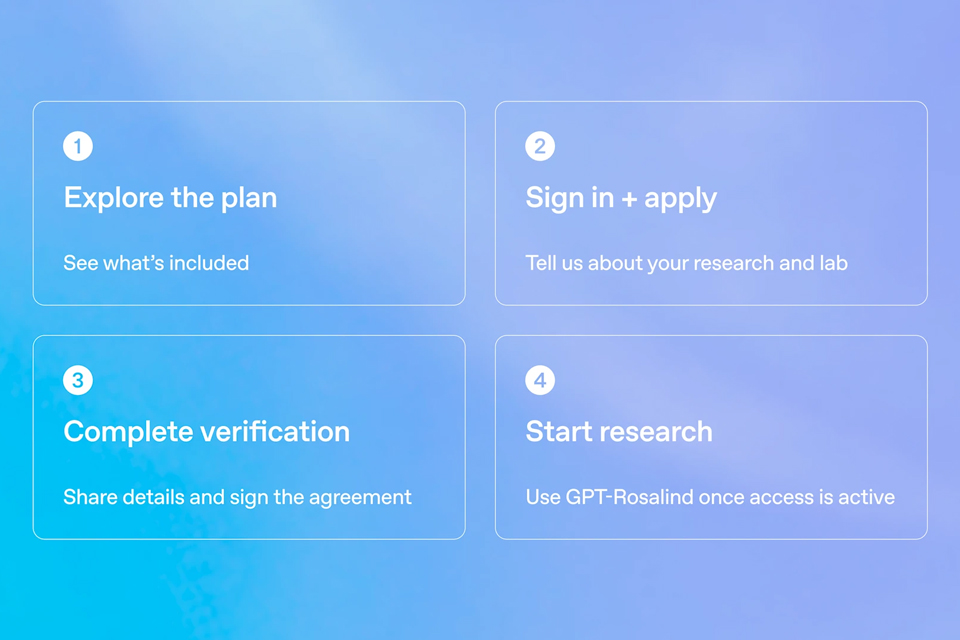
On October 15, OpenAI announced the Rosalind Academic Plan, giving approved US university labs free access to…
A Qiita article compared automated red-teaming methods for LLM apps — GCG, PAIR, and TAP — using mock implemen…

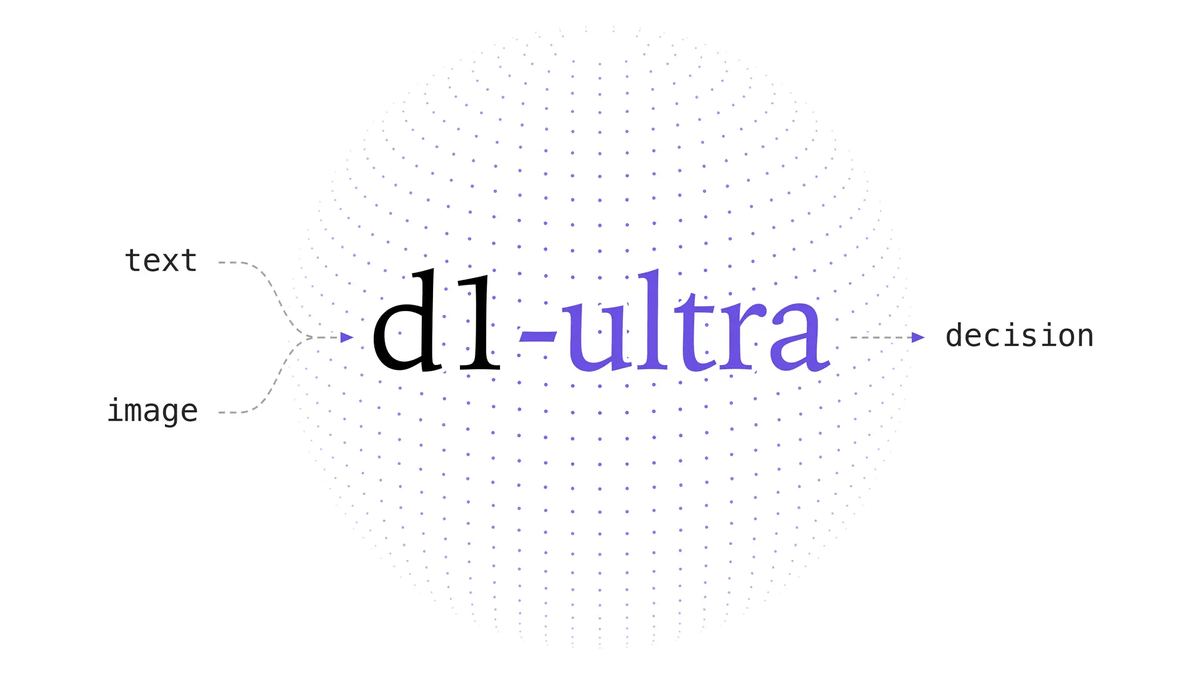
Liquid AI released d1-ultra on October 15, 2026, an upgraded open-weights decision model that averaged 76.7 ac…
Circlia started a proof-of-concept for TASTE SIGNAL: visitors to Holland Village Cafe FUKUOKA taste cookies an…