What happened
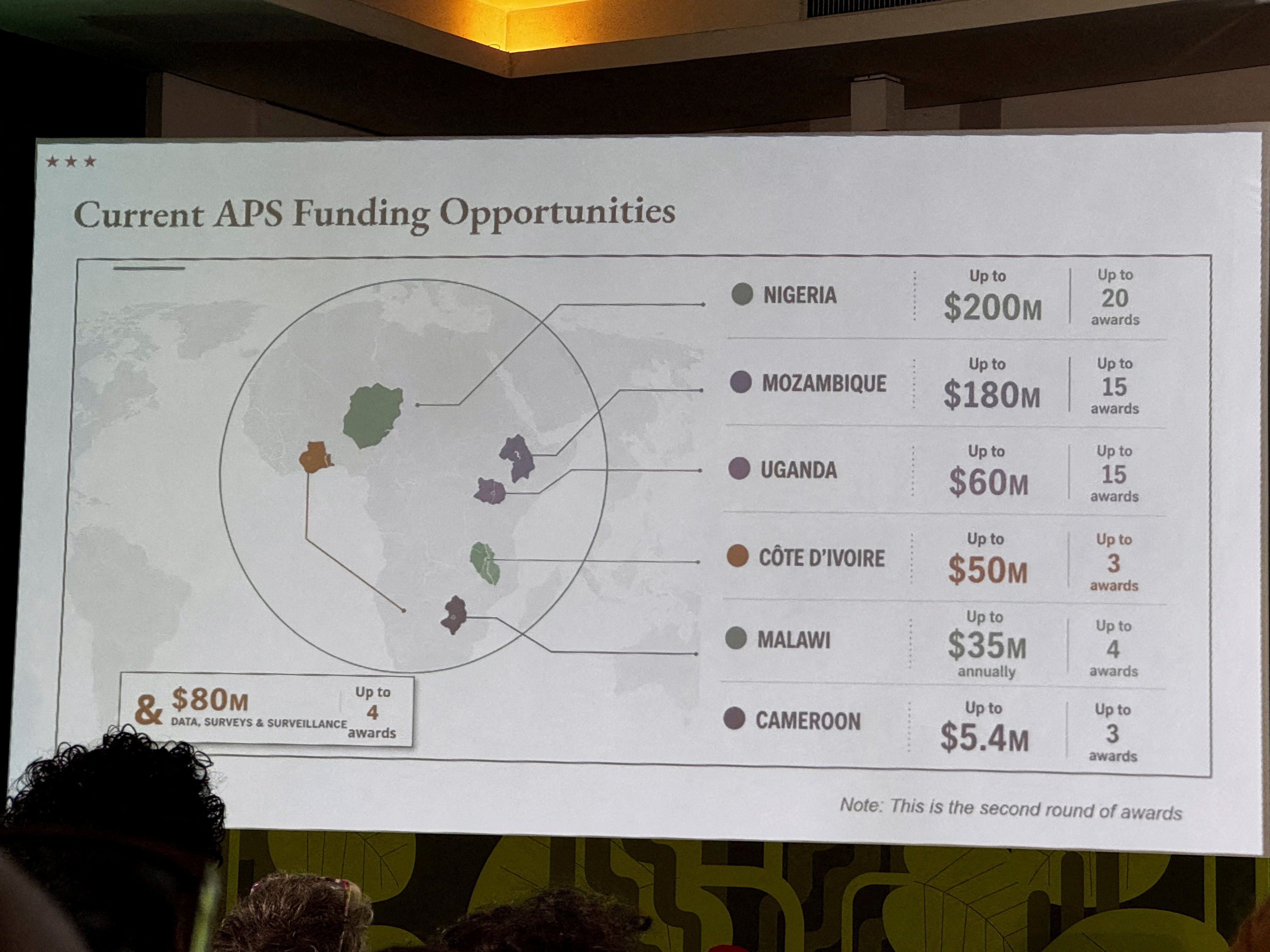
The US State Department apologized for an AI-generated map presented at a global conference in Brazil that mislabeled every country in Africa. Screenshots of the error circulated widely among Africa policy specialists.
Why it matters
The mistake signals a deeper problem: the State Department has lost somewhere between a fifth and a third of its staff over 18 months, and senior diplomatic representation across Africa has been depleted. A former four-decade Africa policy official noted that the lack of 37 ambassadors points to understaffed vetting processes. As the US publicly seeks deeper partnerships with African countries on critical minerals, security, and trade, weakened diplomatic infrastructure undermines credibility and hands China an opening to present itself as a more consistent partner.
What to watch
The error reinforces a perception in African capitals that despite US rhetoric about competing with Beijing for influence, the continent is not receiving the sustained attention Washington claims to prioritize.
Summaries like this, in your inbox every morning.
The mislabeled Africa map represents more than a simple administrative error; it crystallizes a structural problem within the US diplomatic apparatus. According to Witney Schneidman, a four-decade veteran of US-Africa policy under both Democratic and Republican administrations, the shortage of 37 ambassadors directly correlates with inadequate vetting processes — the human oversight that would normally catch such mistakes before international presentation. The State Department's staffing losses over 18 months of reconfiguration have compounded this vulnerability.
The timing of the error amplifies its significance. The US government has publicly committed to deepening partnerships with African nations on critical minerals, security, and trade — areas where Beijing has invested heavily in diplomatic presence and consistency. When such high-profile blunders occur against a backdrop of visible diplomatic thinning, they reinforce perceptions in African capitals that American attention is episodic rather than sustained. Diplomacy, while less visibly transactional than investment or military cooperation, functions as the foundational infrastructure for those ambitions. Each vacant ambassadorship and each avoidable gaffe weakens that foundation and provides ammunition to competitors framing themselves as the more reliable partner.
Pick your industry and the AI tools you use, and get news related to your work every day.
Free · 30 seconds with Google · unsubscribe anytimeWhat is AIToday? →
Ask AI anything about this article. The AI reads this article, earlier AIToday articles, and Wikipedia, and cites its sources. Q&As are published on this page for other readers too.

