What happened
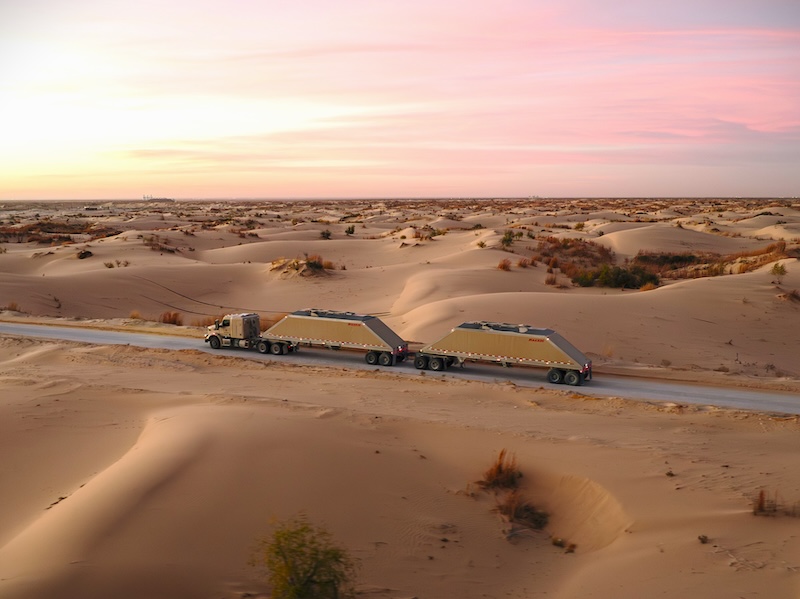
Atlas Energy and Kodiak AI are expanding autonomous proppant delivery across the Permian Basin, adding a second load-out point and scaling from 28 driverless trucks operating as of March 31, 2026 to 100 autonomous trucks by mid-2027. The companies also plan to operate the fleet on public roads in early 2027.
Why it matters
The expansion demonstrates that autonomous trucking is commercially viable at scale—Atlas's fleet has already hauled over 450,000 tons of sand and completed over 23,500 driverless hours in the first quarter of 2026 alone. Running simultaneously from two depots roughly 90 minutes apart lets Atlas serve a larger geographic area and respond faster to customer demand in a major oil and gas region.
What to watch
Regulatory and operational milestones must be cleared before the fleet moves to public roads in early 2027. On July 20, Kodiak-powered trucks delivered 176 loads in a single day—the highest daily volume in 18 months of operations—showing the fleet's rising capacity.
Summaries like this, in your inbox every morning.
Atlas Energy's partnership with Kodiak represents a meaningful proving ground for autonomous trucking in a hard-use industrial setting. The 28-truck fleet operating as of March 31, 2026 has already demonstrated real-world durability: over 450,000 tons hauled, 23,500+ driverless hours completed, and 15 simultaneous routes in the first quarter alone. The addition of a second load-out point—approximately 90 minutes from the first—addresses a core constraint of autonomous logistics: geographic reach. Previously, Atlas could serve customers from only one depot at a time; now it can serve a larger region simultaneously, directly addressing customer demand responsiveness.
The expansion to 100 trucks by mid-2027 is not speculative. The companies have already established a concrete delivery timetable and demonstrated the technical capability to scale: they introduced autonomous triple-trailer operations this year, tripling payload per vehicle and proving the system can handle greater complexity. The planned transition to public roads in early 2027, contingent on regulatory approval, marks the inflection point—moving from closed industrial loops in the Permian to interstate commerce.
Pick your industry and the AI tools you use, and get news related to your work every day.
Free · 30 seconds with Google · unsubscribe anytimeWhat is AIToday? →
Ask AI anything about this article. The AI reads this article, earlier AIToday articles, and Wikipedia, and cites its sources. Q&As are published on this page for other readers too.

