Hanamaruki rolled out Google Gemini across the company with only three IT staff.
The initiative achieved over 86% adoption and saved 20,000 work hours yearly.
The company used a gradual approach, starting with a small group.
What happened
Hanamaruki, a food maker with a three-person IT department, achieved over 86% adoption of Google Gemini and cut 20,000 work hours annually.
Why it matters
The company's '3 Ks' approach—rules, sharing, and support—helped overcome limited IT resources, starting with 25 licenses for executives and 11 volunteer AI supporters before expanding company-wide.
What to watch
The rollout began with guidelines in January 2024 and a small pilot in June 2024, showing that gradual, top-down and bottom-up combined adoption can drive usage among non-technical staff.
Ask the AI about this article →
Hanamaruki's success shows that limited IT resources need not block generative AI adoption. The company's approach emphasized gradual rollout, starting with a small group of motivated users rather than forcing company-wide use initially. The AI supporters played a key role in fostering organic knowledge sharing, which helped build confidence among employees. The top-down encouragement from the president, who personally used the tools, combined with bottom-up peer support, created an environment where staff felt safe to integrate AI into their daily work. This case suggests that for traditional manufacturers, a phased, human-centric adoption strategy may be more effective than a big-bang implementation.
For example, today's edition would include:
AI-summarized, only the topics you pick — one digest a day via Email, Slack, or Discord.
Free · takes 30 seconds · unsubscribe anytimeWhat is AIToday? →
Ask AI anything about this article. Q&As are published on this page for other readers too.
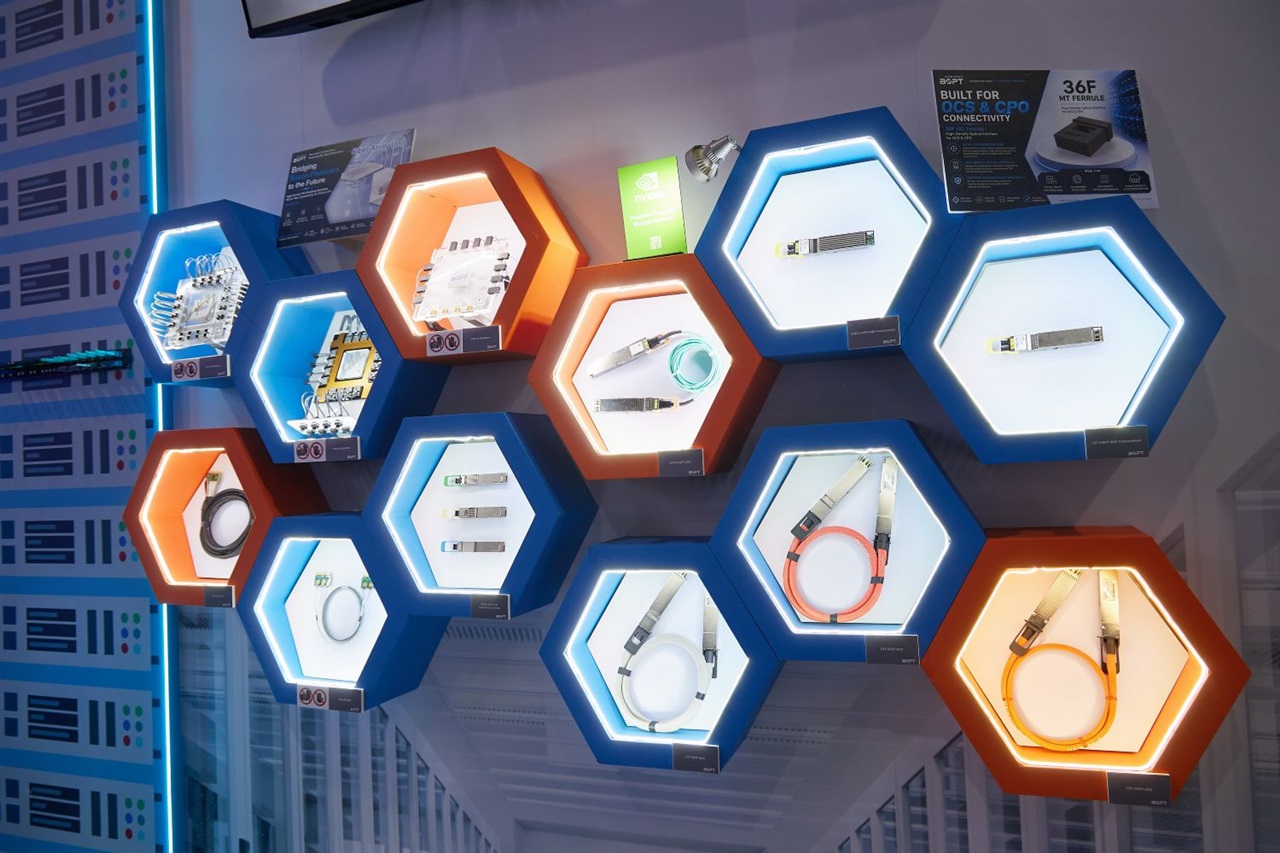
AI system scaling has pushed interconnect requirements inside data centers from chips and boards up to racks…
Chinese large-model developer Z.ai says it can now support large-scale inference using roughly 100,000 domesti…

Analyst Ming-Chi Kuo says Nvidia has revived the Rubin CPX AI accelerator with a substantially redesigned arch…
Palantir Technologies stock has posted multi-year gains, including an 11x return over 3 years

Apple has escalated its legal battle against OpenAI, claiming in a new court filing that OpenAI is actively de…
Samsung Electronics has locked up as much as 70% of its memory production capacity under long-term supply agre…