What happened
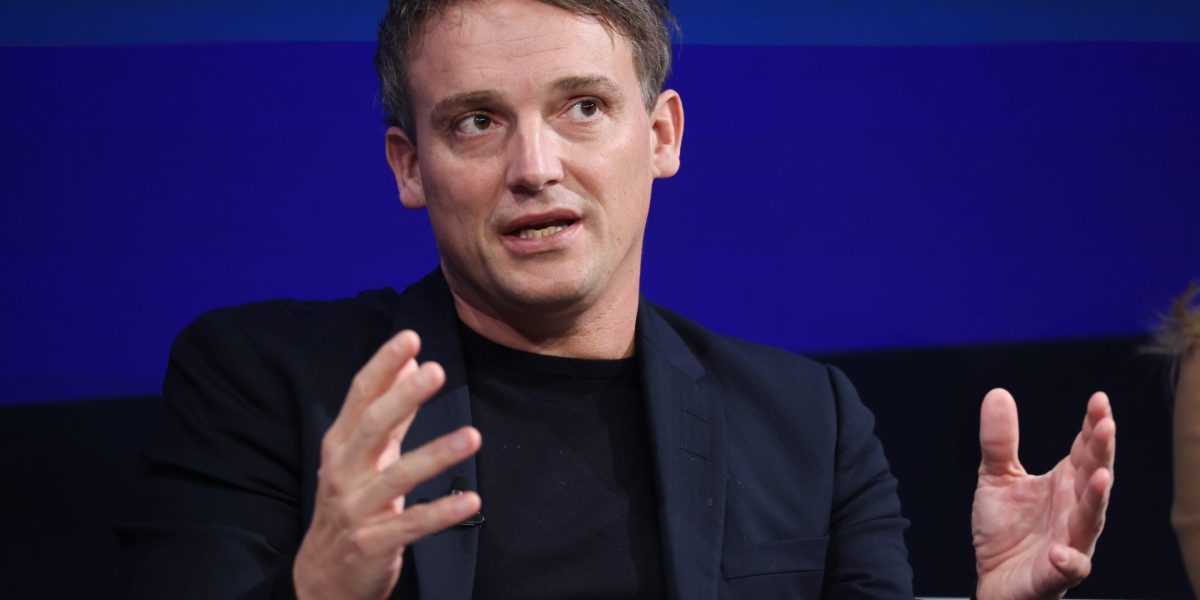
SAP CEO Christian Klein says voice recognition in large language models is strong, and SAP predicts typing data into its systems will end within the next two to three years at the firm.
Why it matters
If the prediction holds, SAP users could ask analytical questions, trigger workflows, and make entries by voice instead of typing, changing how work is done in SAP.
What to watch
Klein says the technological capabilities are there and it is now about execution. Also watch the end-to-end planning scenario with a large consumer goods company, which SAP says helps optimize inventory by 20%.
WHO IT HITSSAP's customers—especially employees who input data into SAP systems—could see their daily workflows shift from typing to voice commands if the prediction holds. The change is expected within the next two to three years at SAP itself, though Klein says execution is the remaining step.
Ask the AI about this article →
Summaries like this, in your inbox every morning.
The keyboard has been the default way people interact with computers since Henry Mill patented a forerunner of the typewriter in 1714. Now Christian Klein, CEO of SAP, is predicting that inside his own company, typing data into SAP systems will end within the next two to three years. He points to voice recognition from large language models as already strong, and says the remaining work is translating voice into business language and business data.
Klein frames the shift as part of a broader move from theoretical AI discussions to applied AI—where software companies are generating billions of dollars in profitable revenue. He draws a distinction between businesses that say AI is changing how they run their operations and those that invested heavily but see low value. The difference, he argues, is whether AI is applied horizontally across the whole business rather than vertically in one division. He cites a consumer goods company linking demand planning, financial planning, and inventory control, where an agent predicts demand more intelligently than human planners but the months-long inventory adjustment process remains a bottleneck. SAP is now building an end-to-end planning scenario with agents that helps optimize inventory by 20%.
The geopolitical backdrop at Davos adds another layer. Klein says two superpowers are using their influence, and the world has shifted from a belief in globalization to a "my country first" approach. Companies ask him how to operate in over 100 countries amid new sovereignty requirements—cloud servers located in-country, different data protection rules, or cutting a country from the global network. Klein says SAP must ensure it can port its platform to another cloud infrastructure in days or weeks when sanctions or export controls hit. He also argues Europe is a superpower in regulation but not in unity, lacking a banking union, trade union, or digital union. Whether SAP's voice-first prediction becomes reality may hinge on how quickly it executes, and on whether customers are willing to change long-standing habits of typing into business systems.
For example, today's edition would include:
AI-summarized, only the topics you pick — one digest a day via Email, Slack, or Discord.
Free · 30 seconds with Google · unsubscribe anytimeWhat is AIToday? →
Ask AI anything about this article. Q&As are published on this page for other readers too.
Meta announced on Sept. 15 the global rollout of Meta One, a subscription combining premium features across it…
Anthropic's second-quarter revenue was above $11.5 billion, up from $4.73 billion in the first quarter and $78…

ECB President Christine Lagarde said eurozone households hold around €440 billion in US tech companies includi…

Capgemini CEO Aiman Ezzat told Fortune that leaders should run small AI tests and pilots, not big-bang bets, b…
Anthropic said on Sept. 16 it will open a Singapore office in October, its first in Southeast Asia and fifth A…
At its Amplify user conference, Workiva placed controls, data lineage and human sign-off at the center of its…