What happened
NTT and SOMPO Holdings said on November 12, 2026 they signed a partnership to push physical AI into nursing care, beginning with indirect work such as cleaning, laundry, serving and clearing meals, and moving goods.
Why it matters
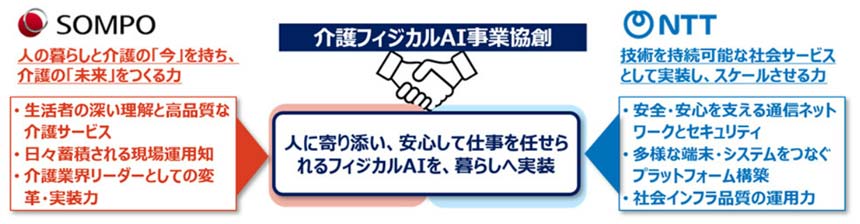
SOMPO brings care-site operating know-how and service-quality experience, while NTT brings networks, security and platform-building skills, so the partners are pairing frontline care expertise with infrastructure to test and commercialize physical AI, per the announcement.
WHO IT HITSJapan's nursing-care operators and care-home staff stand to be affected first, since the partners are targeting indirect chores like cleaning and meal service rather than direct bodily assistance. Physical AI vendors may also find a new co-creation channel, as the agreement leaves room to work with such businesses.
Summaries like this, every morning.
The agreement is framed around a labor shortage in the nursing-care industry, and the scope it sets is deliberately narrow at the start. Rather than aiming at direct physical assistance to care recipients, the partners list cleaning, laundry, serving and clearing meals, and moving goods as the initial use cases. That choice puts the first tests on repetitive indirect work around the care setting, not on hands-on care itself.
The division of roles is the other structural detail. SOMPO Holdings brings what it has built through providing care services: an understanding of consumers, operating knowledge from care sites, and experience in raising service quality and driving on-site change. NTT brings communications networks and security, the building of platforms that connect various devices and systems, and the operation of social-infrastructure-grade quality. The partnership is meant to cover the path from research and demonstration through adoption, operation, continuous improvement and commercialization.
What the two companies have committed to so far is a framework for studying that path, including demonstration methods and operating structures for safe, continuous use in care settings, and ways to collaborate with physical AI vendors toward commercialization. How quickly any of this reaches actual care sites is not specified in the announcement.
Pick your industry and the AI tools you use, and get news related to your work every day.
Free · 30 seconds with Google · unsubscribe anytimeWhat is AIToday? →
Ask AI anything about this article. The AI reads this article, earlier AIToday articles, and Wikipedia, and cites its sources. Q&As are published on this page for other readers too.
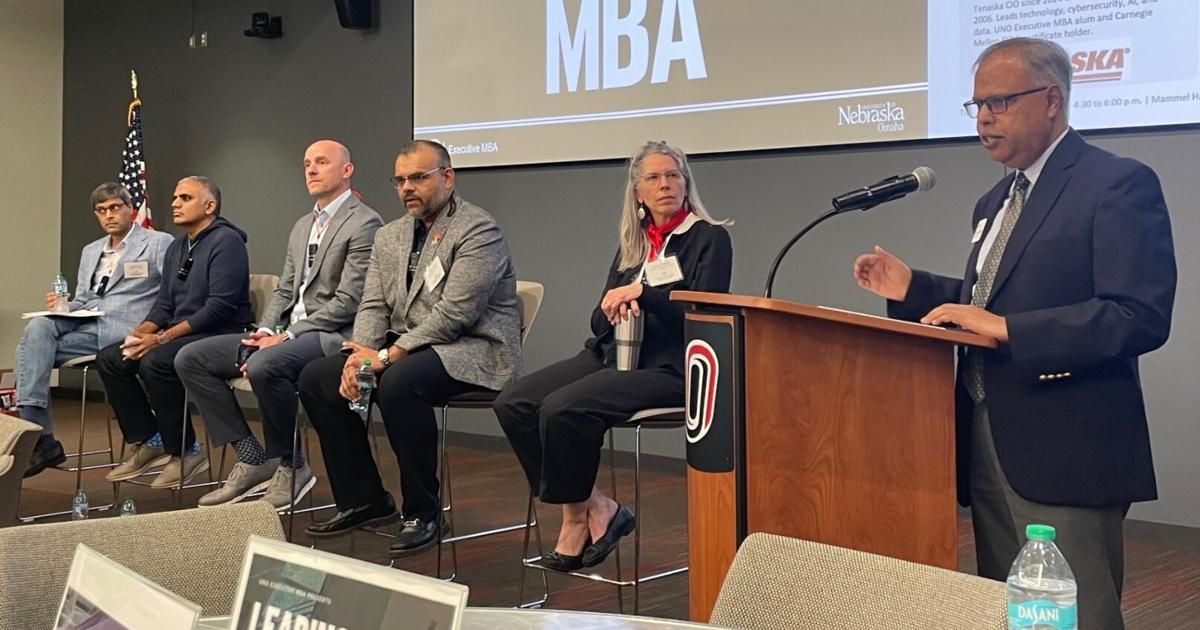
Omaha companies, including Union Pacific with its 'Rita' tool and others using Copilot, shared how they are ad…
The FDA cleared the IND for Biolojic Design's BD200, an AI-designed bispecific antibody-drug conjugate whose a…

ServiceNow launched its Autonomous CRM Engine, which uses AI to analyze existing CRM setups and automate workf…
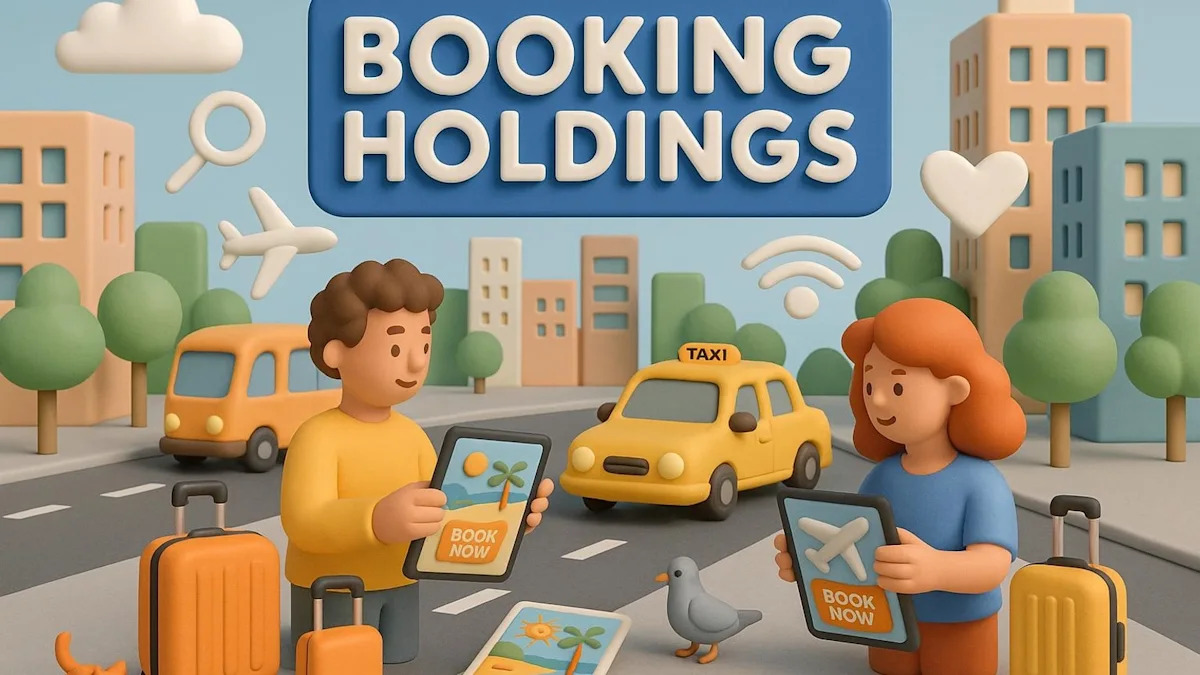
OpenAI agreed to acquire Odessia, an AI trip-planning engine that sits between travelers and booking platforms…
Merck raised its full-year 2026 revenue forecast to between €21.5bn and €21.9bn, up from €21.0bn to €21.8bn, a…

Nvidia fell 26% and AMD 15% over the past month, yet Nvidia trades at a significantly cheaper valuation, and i…