What happened
An explainer describes AI song covers as original melody, lyrics and backing kept intact, with only the vocals swapped, in three steps: vocal separation, voice conversion, then mixing. It lists RVC as MIT-licensed and actively updated, Seed-VC (GPL-3.0) archived in November 2025 and so-vits-svc (AGPL-3.0) archived in November 2023.
Why it matters
For anyone actually building this workflow, tool licensing, not sound quality, is becoming the deciding factor, since two of the three listed voice-conversion tools are no longer maintained.
What to watch
Vocal separation accuracy is what most shapes the final result, with harmonies, choruses, heavy reverb, and noisy recordings the hardest cases. Also watch the rights side: publishing or monetizing a cover can require permission from both the song's and the voice's rights holders.
WHO IT HITSIndependent musicians, hobbyist producers and content creators experimenting with AI covers are the ones who must check each tool's license and the rights on both the song and the voice before publishing or monetizing anything.
Summaries like this, in your inbox every morning.
The article treats AI song covers not as a single product but as a small pipeline, and that framing explains why the details matter. The recognisable result depends first on how cleanly the original vocals can be pulled apart from the backing track, and tools that handle this well are grouped under names like MDX-Net, Demucs and RoFormer. What follows—voice conversion—is where the character of the finished cover is decided, and the piece points to RVC's retrieval-based approach as the reason the original singer's voice tends not to bleed through.
The maintenance status of these tools tells its own story. RVC is MIT-licensed and still updated, while Seed-VC and so-vits-svc have been archived. For readers who want to try the workflow without building it themselves, the article suggests browser services, and then sets out the questions to ask of any of them: where the voices come from, what happens to an uploaded song, and what the free tier actually allows.
Rights come last but frame everything. The song and the voice carry separate permissions, and publishing or monetizing a cover can require both, which suggests the practical ceiling on this hobby may be legal rather than technical.
Pick your industry and the AI tools you use, and get news related to your work every day.
Free · 30 seconds with Google · unsubscribe anytimeWhat is AIToday? →
Ask AI anything about this article. The AI reads this article, earlier AIToday articles, and Wikipedia, and cites its sources. Q&As are published on this page for other readers too.
Microsoft and LG Electronics unveiled a Speech-to-Speech AI agent at the Microsoft Industry Summit in Seoul, e…

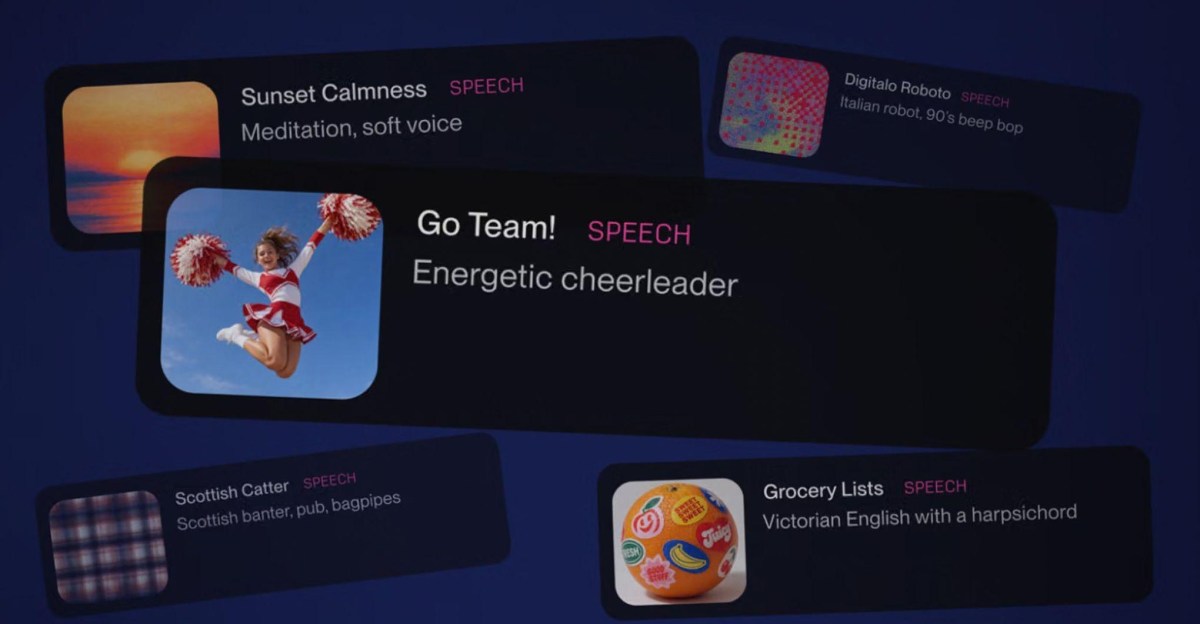
Suno, the AI music generator, launched a feature called Speech that turns typed text into spoken words with ma…
In a controlled English/French HuBERT setting, two interventions — an auxiliary language classifier and per-la…

Microsoft AI launched MAI-Transcribe-2-Streaming, which Microsoft says ranks first for accuracy on Artificial…
Suno launched Speech in public beta across its web and mobile platforms, letting users generate voiceovers and…
Microsoft launched MAI-Transcribe-2-Streaming, its first streaming transcription model, priced at 54 cents per…