Simon Willison released version 0.6 of llm-openrouter, a Python tool that lets developers access multiple AI language models (like Claude, GPT-4, Llama) through a single interface. The update adds the ability to stream responses in real-time, so outputs appear word-by-word instead of waiting for the entire answer.
Summaries like this, in your inbox every morning.
Pick your industry and the AI tools you use, and get news related to your work every day.
Free · 30 seconds with Google · unsubscribe anytimeWhat is AIToday? →
Ask AI anything about this article. The AI reads this article, earlier AIToday articles, and Wikipedia, and cites its sources. Q&As are published on this page for other readers too.
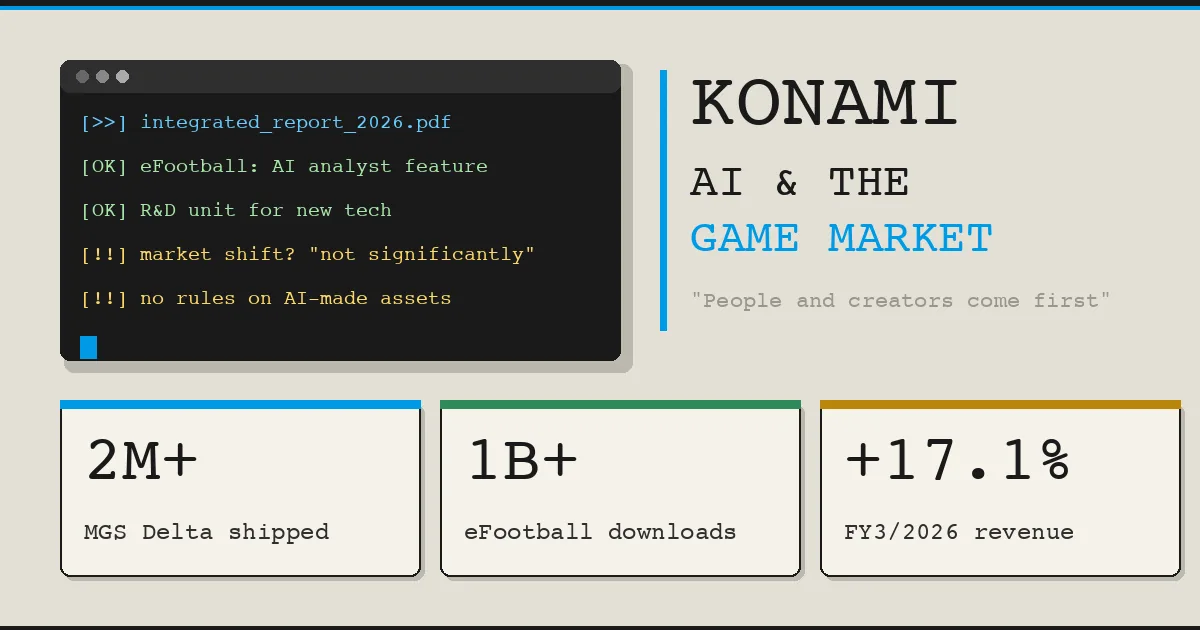
In the Integrated Report 2026, Konami digital chief Hideki Hayakawa said AI will not greatly change the game m…
Exa Enterprise AI began offering Claude Haiku 5.5 on its ExaBase AI corporate service, following Anthropic's r…

Booking Holdings is launching Vayo, an AI travel venture in Seattle led by Mike Fridgen, with plans to invest…
Salesforce introduced Hunter, an AI outbound sales agent built on its Agentforce platform, on 16 October 2026

American Express published its Intent Intelligence framework on Oct

US banks are blocking AI agents that try to move money for customers, Bloomberg.com reports