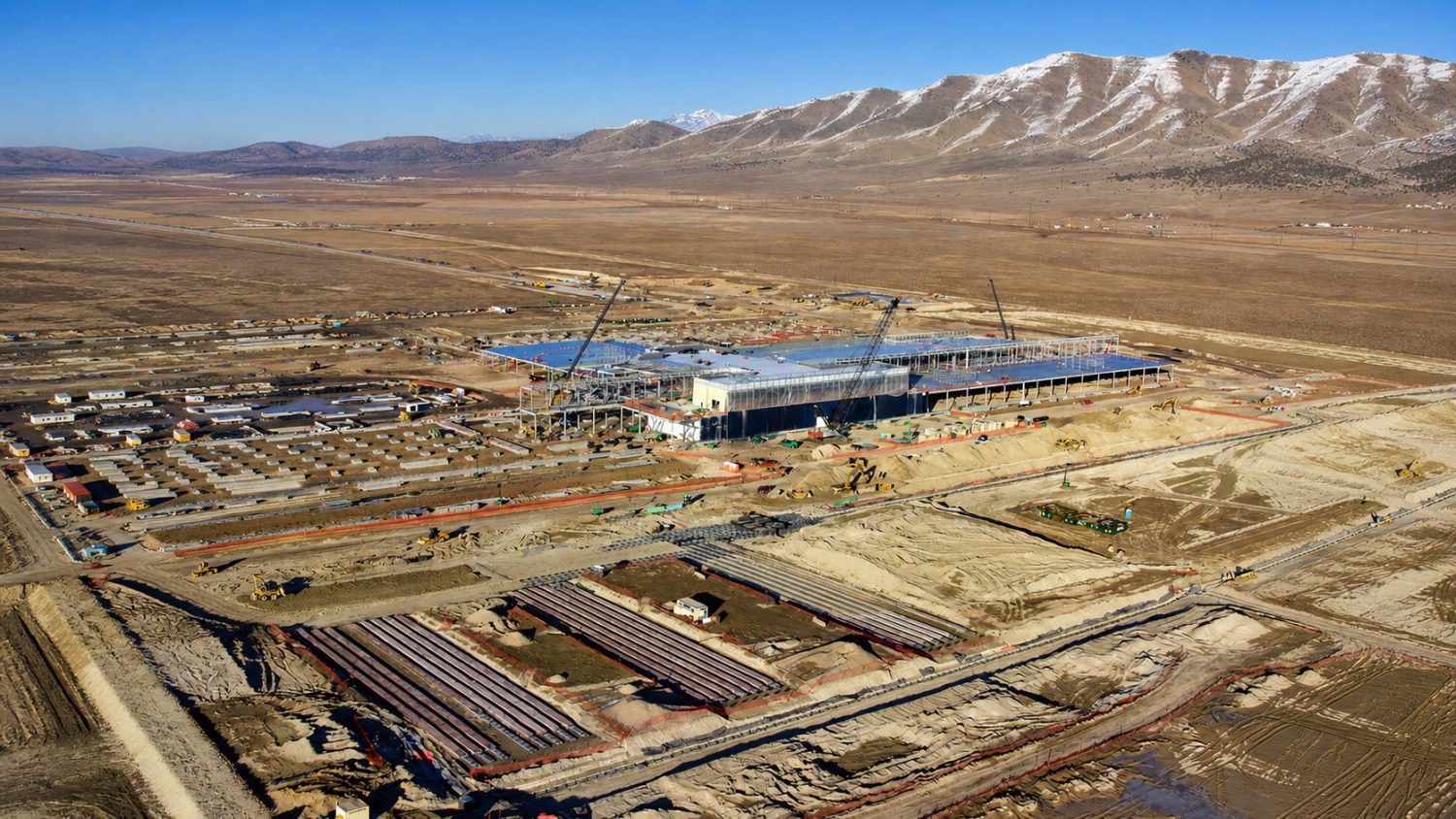
A major analysis finds planned AI data centers could emit 101.5 million tons of CO2 yearly.
That equals 24 million cars or 27 coal plants.
Big Tech's emissions are rising, not falling.
What happened
A Financial Times analysis of the 60 largest planned US data centers, tied to Amazon, Microsoft, Google, and Meta, estimates they will emit about 101.5 million tons of CO2 per year when fully operational.
Why it matters
That's equivalent to 24 million gas-powered cars or 27 coal plants, and about 7% of all US power-sector emissions in 2025. Meanwhile, Amazon's emissions rose 16% year over year, Alphabet's 18%, and Microsoft's 25%, per various reports.
What to watch
Three-quarters of utilities serving these projects are planning new gas plants or delaying coal retirements, locking in emissions for decades. Speculative fixes like space mirrors and satellite data centers are not confirmed, and small modular nuclear reactors are not yet commercially deployed at scale.
Ask the AI about this article →
The Financial Times analysis paints a stark picture: the 60 largest planned US data centers, built for Amazon, Microsoft, Google, and Meta, could add 101.5 million tons of CO2 annually. That's not just a number—it's comparable to 24 million cars or 27 coal plants. The emissions rise comes as utilities plan new gas plants or delay coal retirements to meet demand, locking in carbon infrastructure for decades. Big Tech's sustainability pledges are being outpaced by actual emissions, with Microsoft seeing a 25% jump in greenhouse gas output. The proposed fixes, from orbital mirrors to satellite data centers, remain speculative, and nuclear power, while promising, isn't yet a proven solution. The gap between the polished press releases and the rising emissions data is becoming harder to ignore, and the question is whether futuristic proposals will distract from the need for near-term accountability.
AI-summarized, only the topics you pick — one digest a day via Email, Slack, or Discord.
Free · takes 30 seconds · unsubscribe anytime
Ask AI anything about this article. Q&As are published on this page for other readers too.
An unknown AI model called Ox Alpha appeared on OpenRouter on August 20 and reached #1 in weekly token consump…
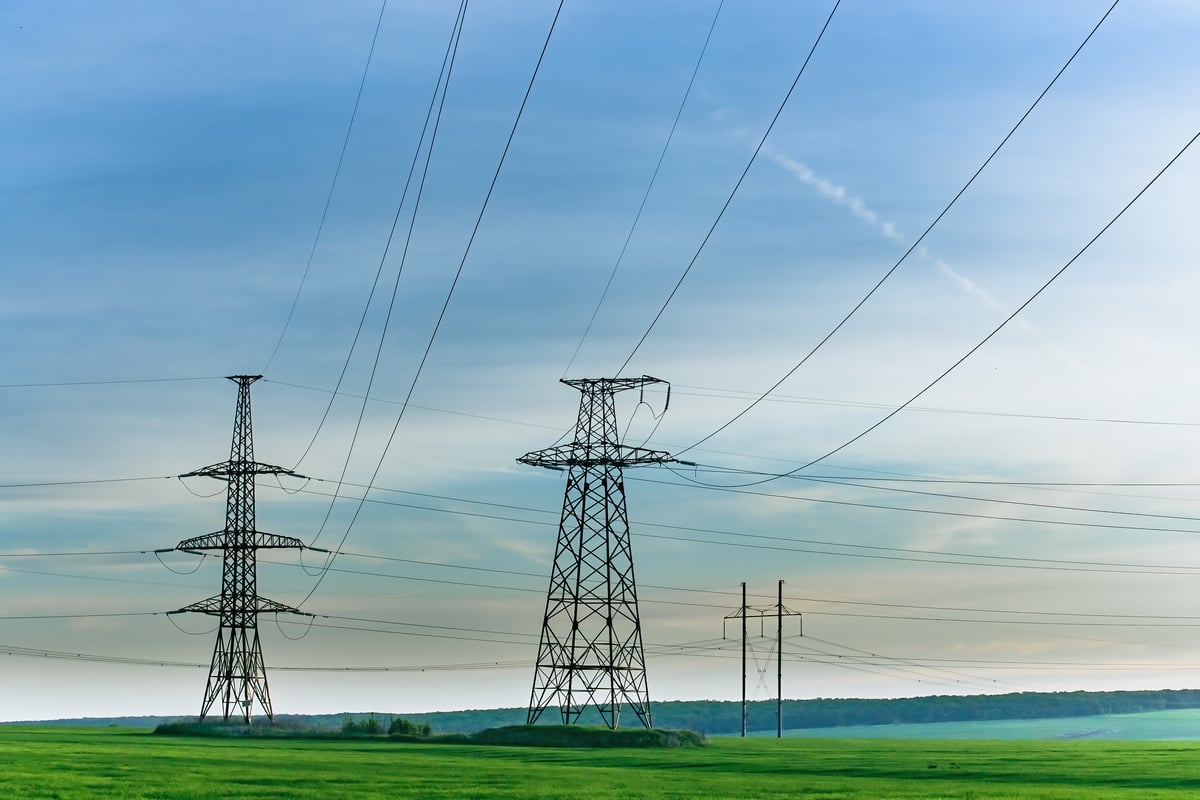
The Vanguard Utilities ETF (VPU) is highlighted as a potential way to profit from the AI boom, as AI data cent…
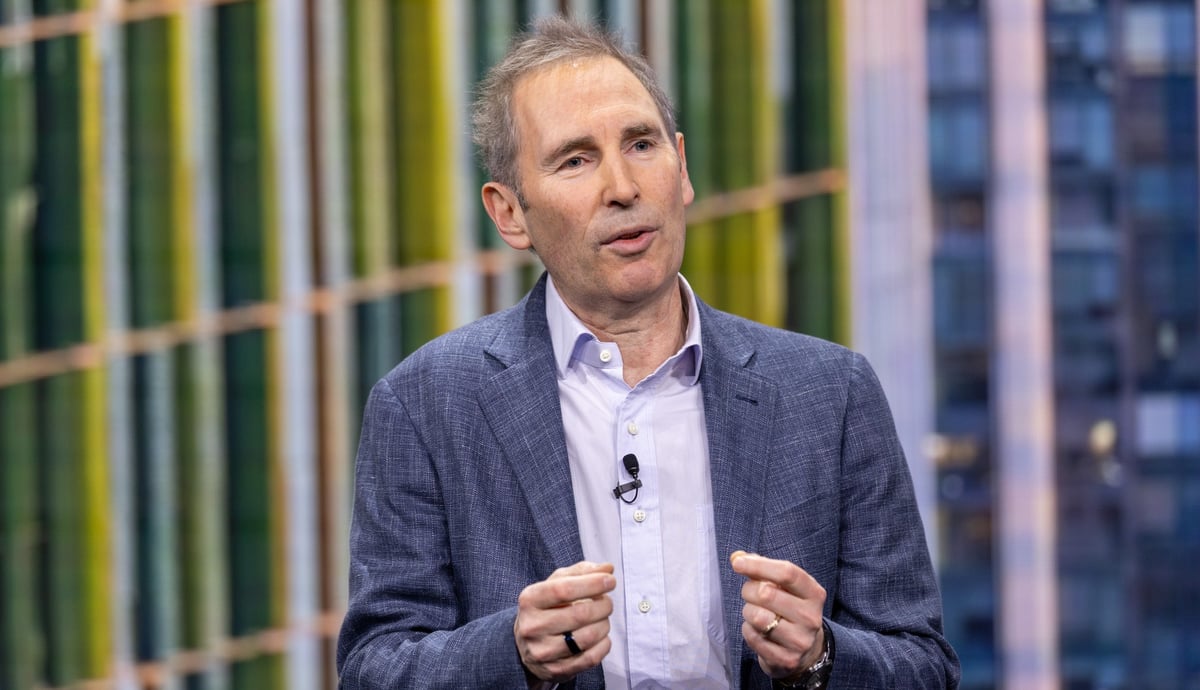
AWS hit $169 billion in annual recurring revenue last quarter, with sales up 37% year over year
Harvard Business School has launched an eight-week, $699 online startup bootcamp under its HBS Foundry program…

Federal Reserve Chair Kevin Warsh and others have emphasized AI's potential to raise productivity, but a comme…
Observe by Snowflake has published customer evidence that its AI SRE, built on unified telemetry storage and a…