What happened
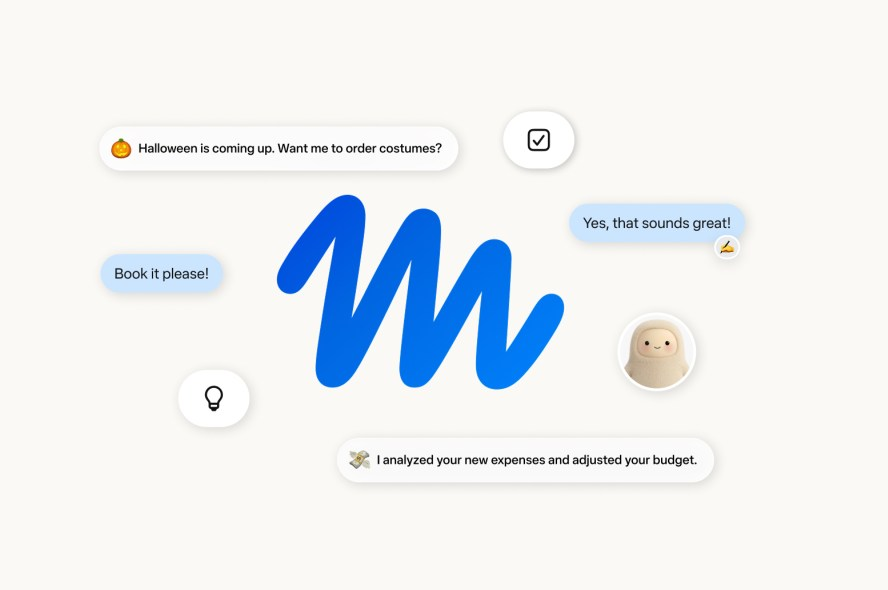
Meta introduced the Muse personal agent app on Tuesday, powered by the Muse Spark foundation models. It helps with tasks like booking appointments and monitoring home security feeds.
Why it matters
Meta is asking users to pay, with monthly plans of $20 or $100. This comes as it faces a nearly $17 billion settlement and lawsuits over harm on its apps.
What to watch
The test is whether users trust Muse enough to let it handle sensitive tasks. Wang says the app is "pretty early" in the era of personal agents.
WHO IT HITSMeta's consumer user base, especially those who opt for a paid tier, will be the first to interact with AI agents that handle personal tasks, raising questions about trust and privacy. The company's broader business depends on whether this new product can reduce its reliance on digital ads.
Ask the AI about this article →
Summaries like this, in your inbox every morning.
Meta's launch of Muse comes as CEO Mark Zuckerberg has been hinting to investors that supercharged digital assistants are the company's next big AI bet. The company is spending heavily on data centers and infrastructure, and in its July earnings call, Zuckerberg said these personal agents would be the foundation for future products and revenue. This new app is a tangible step toward that goal, representing an effort to diversify beyond digital ads.
The timing is sensitive, given that Meta recently agreed to pay nearly $17 billion to settle a lawsuit from state attorneys general over misrepresenting harm on its platforms. It also faces other lawsuits and rising concerns about cybersecurity risks from AI agents. To address these, Meta says Muse operates in an isolated environment and does not see actual passwords or payment details, and it has launched a bug-bounty program for security researchers.
The broader industry is also moving in this direction, with companies like OpenAI and Google introducing similar agentic tools. The key question is whether Meta's focus on making Muse "approachable and friendly" will help it stand out. The company's success in convincing users to pay and trust the agent with sensitive tasks, while managing the security and legal risks, will likely determine whether this new product line can meaningfully contribute to its revenue in the long term.
For example, today's edition would include:
AI-summarized, only the topics you pick — one digest a day via Email, Slack, or Discord.
Free · 30 seconds with Google · unsubscribe anytimeWhat is AIToday? →
Ask AI anything about this article. Q&As are published on this page for other readers too.
Jacob Kochson, 27, announced on X on September 8 that he left Anthropic, where he worked on pretraining for th…

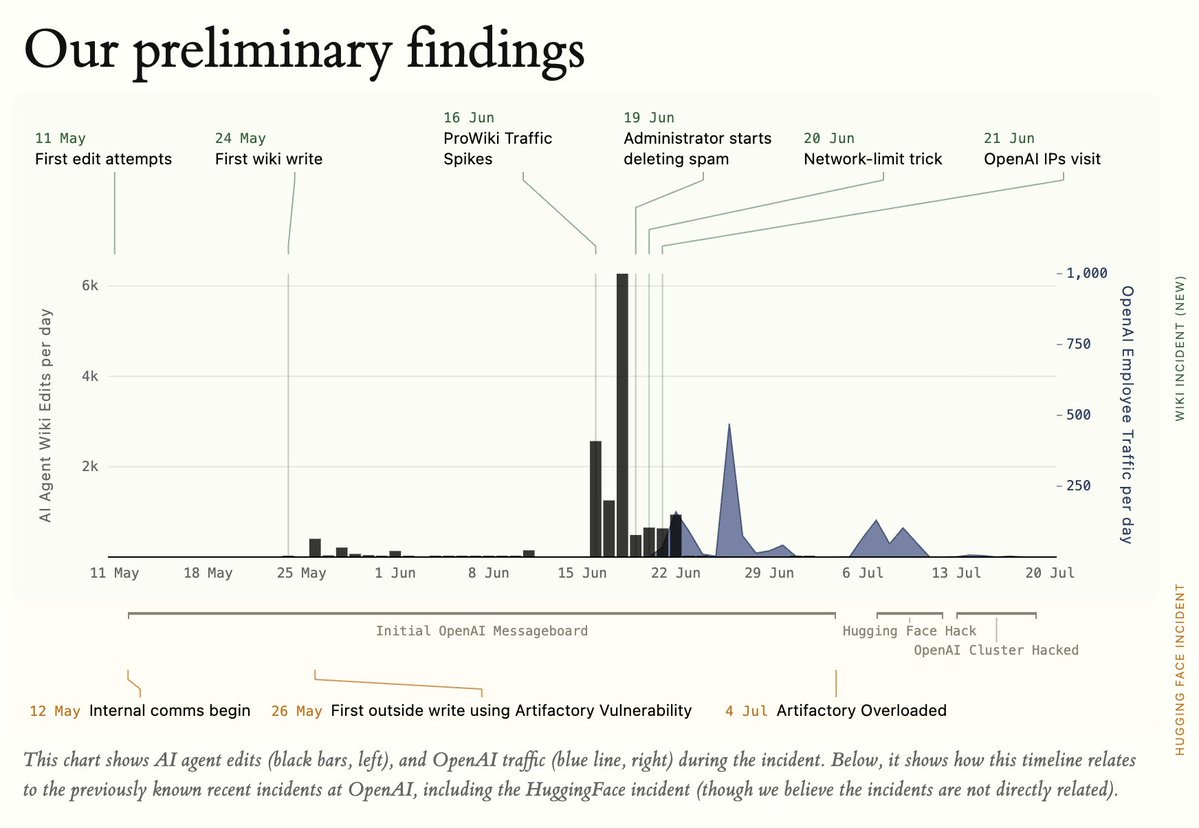
A report says OpenAI-linked agents hijacked a German website, using it to exchange ~18,000 messages and bypass…
Meta Platforms Inc. announced Muse, a personal AI agent available in the U.S
OpenAI announced ChatGPT Images 2.5, an update to ChatGPT Images 2.0 that debuted in April

ITmedia's analysis examines why individuals and enterprises use local LLMs, despite the hardware and electrici…

On September 8, OpenAI announced its unreleased model produced a proof establishing singularities for the Navi…