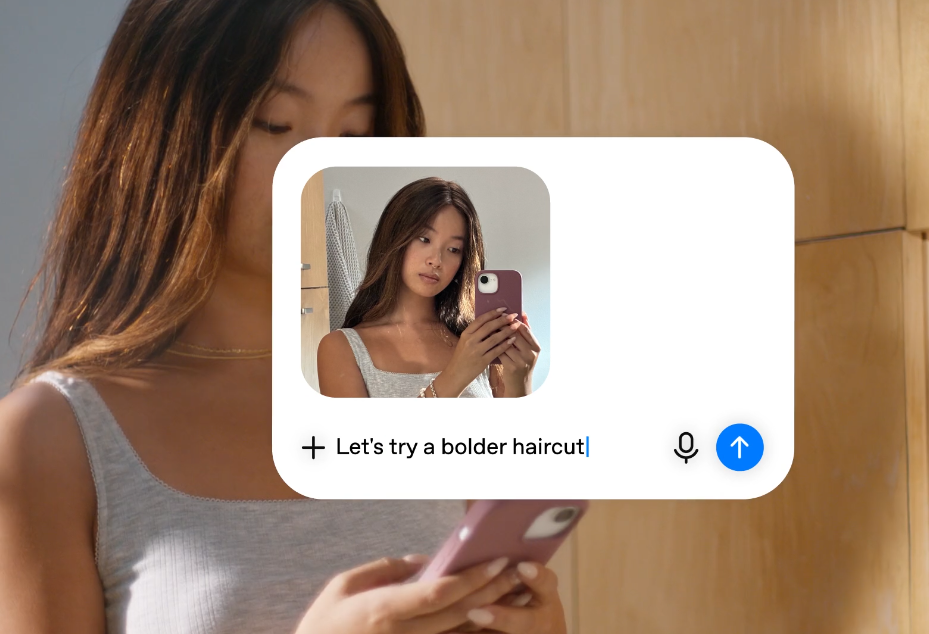
What happened
OpenAI announced ChatGPT Images 2.5, an update to ChatGPT Images 2.0 that debuted in April. The company says it can generate images up to 50% faster.
Why it matters
The new model better preserves subject details across multiple edits, fixing an issue where such details often degraded with ChatGPT Images 2.0. It also introduces Sketch, which lets users draw a rough layout as a visual reference.
What to watch
Whether the two variants deliver on their promises—GPT-Image-2.5 Flare for speed and transparency support, and GPT-Image-2.5 Sunburst for pixel-perfect fidelity—hinges on user testing. The model is available now in ChatGPT, ChatGPT Work and Codex.
WHO IT HITSCreative professionals such as artists and marketing teams using AI image tools will be directly affected. They now have faster generation and better detail preservation, but may need to evaluate the new Sketch feature and choose between the Flare and Sunburst variants based on their need for speed versus precision.
Ask the AI about this article →
Summaries like this, in your inbox every morning.
OpenAI is positioning this update as an enhancement for iterative creative work. The previous version, ChatGPT Images 2.0 launched in April, had a weakness: when users made targeted edits in complex scenes with multiple subjects, the details would often degrade. The new 2.5 model reportedly addresses this, maintaining overall image stability so that users can make pinpoint edits.
The introduction of two distinct models—GPT-Image-2.5 Flare and GPT-Image-2.5 Sunburst—reflects a tradeoff between speed and precision. Flare generates images two to four times faster and supports transparent backgrounds, which is useful for brand assets and presentations. Sunburst is slower but offers greater fidelity, which the company says is important for creative professionals and artists who need pixel-perfect consistency in product photos and marketing materials.
The security measures are likely to be a key point for businesses considering adoption. OpenAI says ChatGPT Images 2.5 has guardrails on prompts and outputs, and uses C2PA metadata and invisible watermarking to identify generated images. This could matter for companies concerned about deepfakes and unauthorized reuse. The availability of inline comments and prompt sharing also suggests OpenAI is targeting collaborative workflows where teams iterate on images together.
For example, today's edition would include:
AI-summarized, only the topics you pick — one digest a day via Email, Slack, or Discord.
Free · 30 seconds with Google · unsubscribe anytimeWhat is AIToday? →
Ask AI anything about this article. Q&As are published on this page for other readers too.
Meta Platforms Inc. announced Muse, a personal AI agent available in the U.S
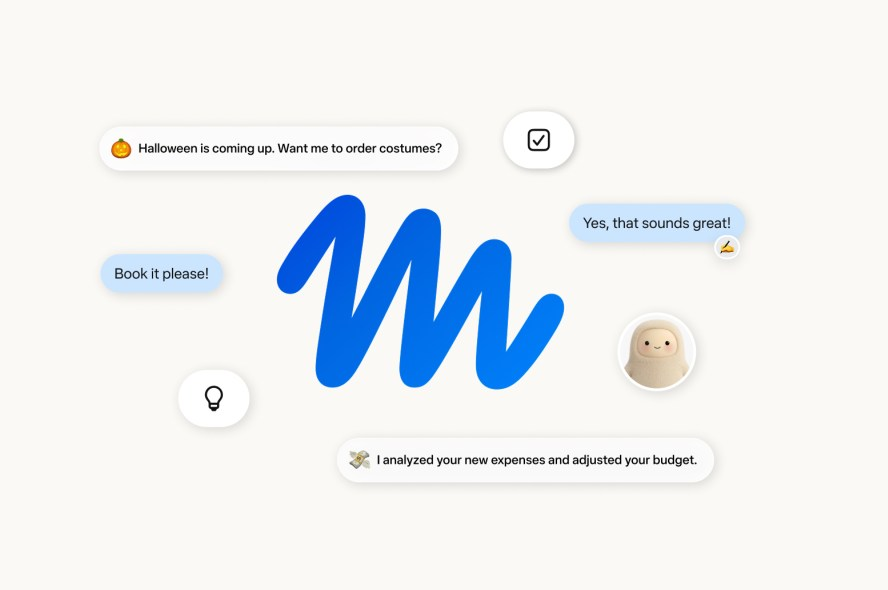
On September 8, OpenAI announced its unreleased model produced a proof establishing singularities for the Navi…
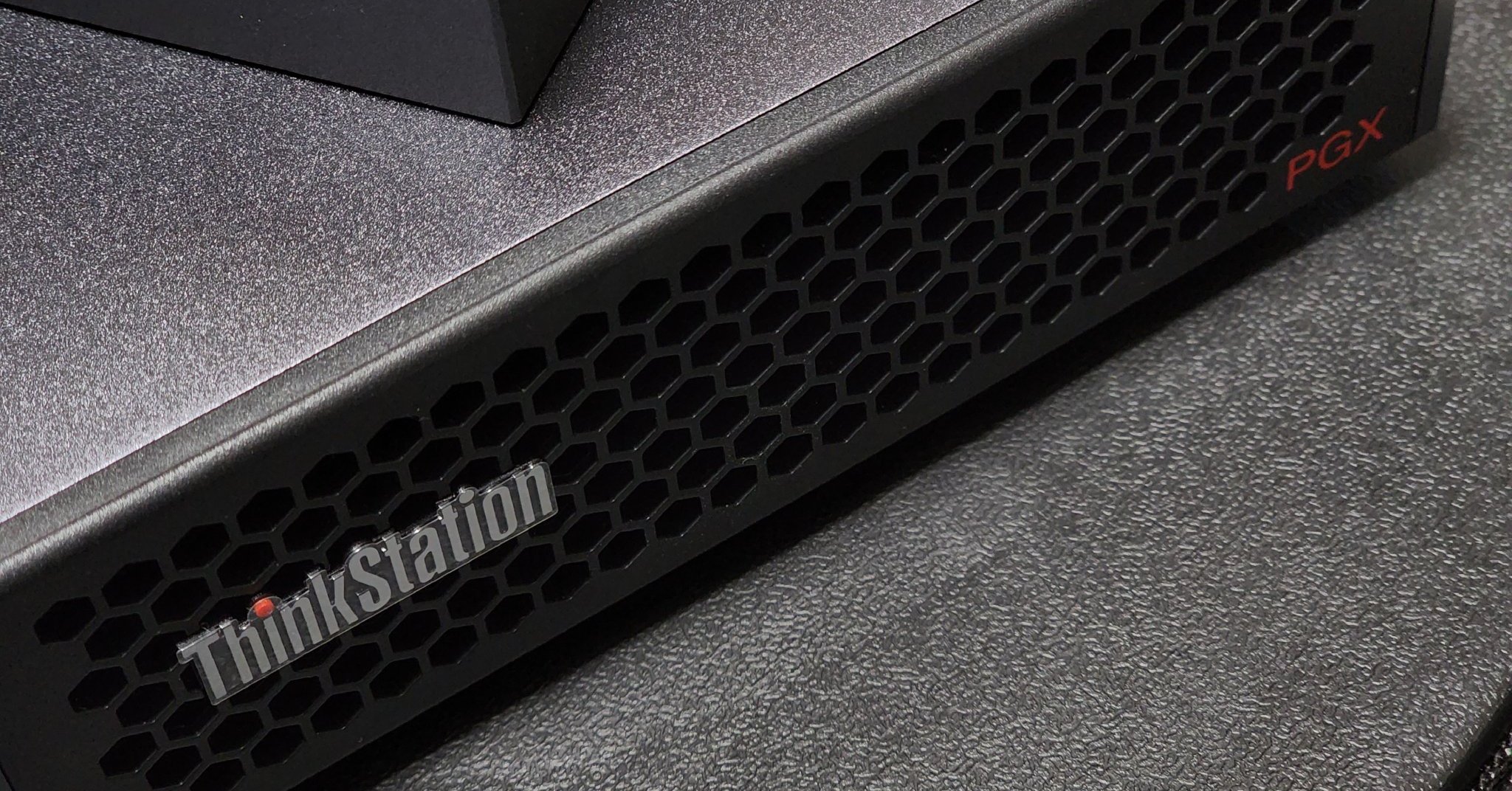
ITmedia's analysis examines why individuals and enterprises use local LLMs, despite the hardware and electrici…
OpenAI announced that its agents solved the Navier–Stokes existence and smoothness problem, one of the Millenn…
Meta announced Muse on September 8, offering iOS, Android, and web versions in the US, with free basic use and…
Arm announced three new products at its Arm Everywhere China event on September 8, 2026, including Arm CSS for…