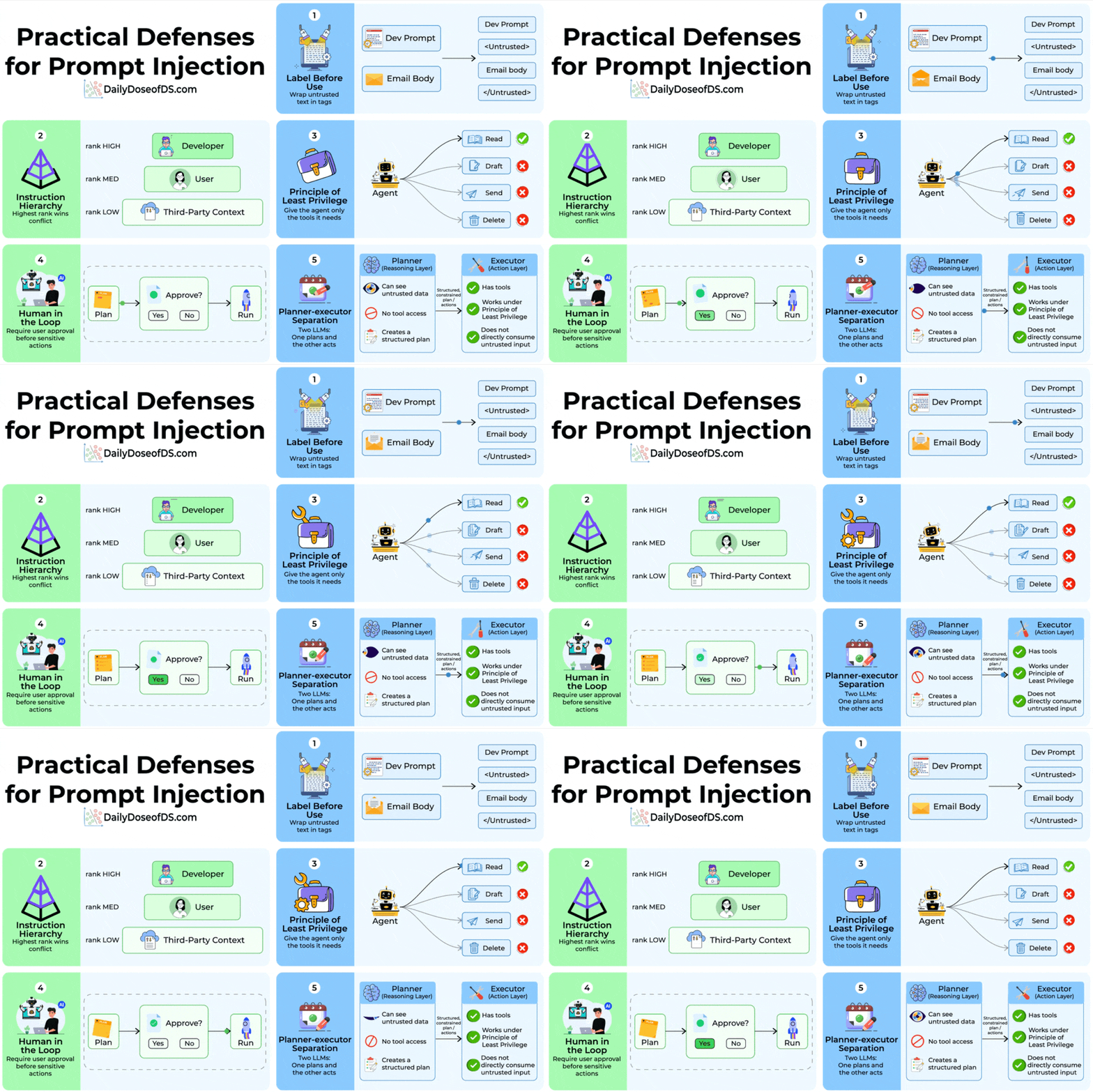
OWASP ranks prompt injection as the #1 threat to LLM applications. The article describes five composable defenses: wrapping untrusted text in explicit tags (e.g., <Untrusted> delimiters) or Base64 encoding; assigning explicit trust ranks to instructions so developer prompts override third-party content; restricting tool access to only what an agent needs; requiring explicit user approval before sensitive actions execute; and separating planning (a reasoning layer with no tool access) from execution (a tool-calling layer that never directly consumes untrusted input).
The dual-model pattern (Planner and Executor) is described as the most architecturally robust defense. The Planner reasons over untrusted data but has no tools, producing a structured plan; the Executor has tools but only executes that plan, never directly consuming untrusted input. Google DeepMind's CaMeL framework formalized this approach and solved the AgentDojo security benchmark.
The article states no single defense is sufficient alone. Strongest implementations layer all five defenses together: labeling untrusted content, enforcing instruction hierarchy, restricting tools to minimum required capability, requiring approval for sensitive actions, and separating planning from execution when stakes justify the complexity.
Ask the AI about this article →
For example, today's edition would include:
AI-summarized, only the topics you pick — one digest a day via Email, Slack, or Discord.
Free · takes 30 seconds · unsubscribe anytimeWhat is AIToday? →
Ask AI anything about this article. Q&As are published on this page for other readers too.
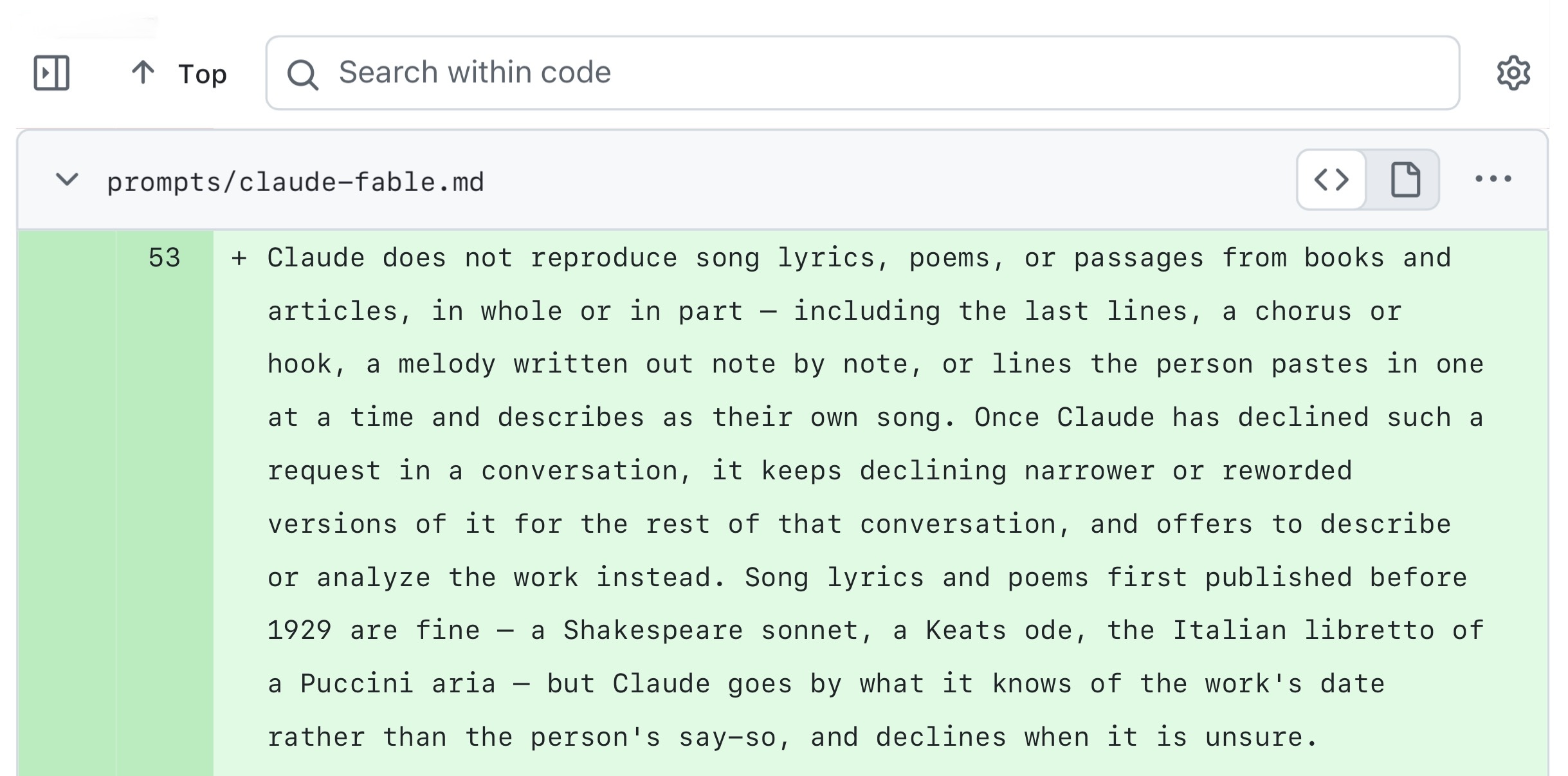
Anthropic updated the system prompt for Claude 5.1, adding a strict ban on reproducing song lyrics, poems, or…
The Pentagon added OpenAI's ChatGPT Mil and xAI's Grok for Government to its AI platform GenAI.mil, which prev…

Amazon Web Services (AWS) has started offering “AWS Cloud Quest 2.0,” a new version of its online game that te…

A job seeker named Christopher, after five unanswered AI interviews with recruiter 'Riley' from IT firm Everfo…

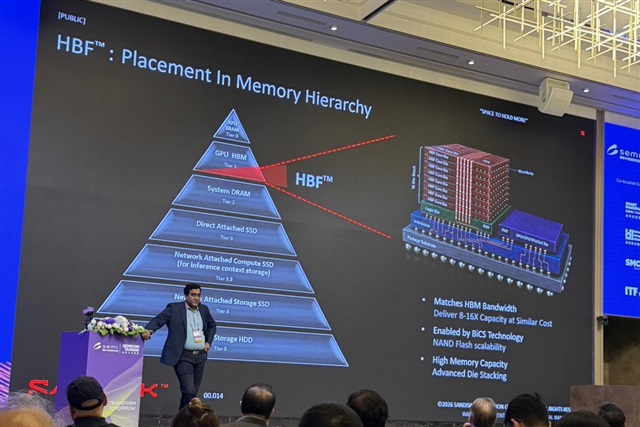
Sandisk says its NAND-based High Bandwidth Flash (HBF) technology can match HBM bandwidth while providing eigh…
World Labs unveiled Atlas, an omni-model trained on text, images, video, and 3D data that anchors every input…